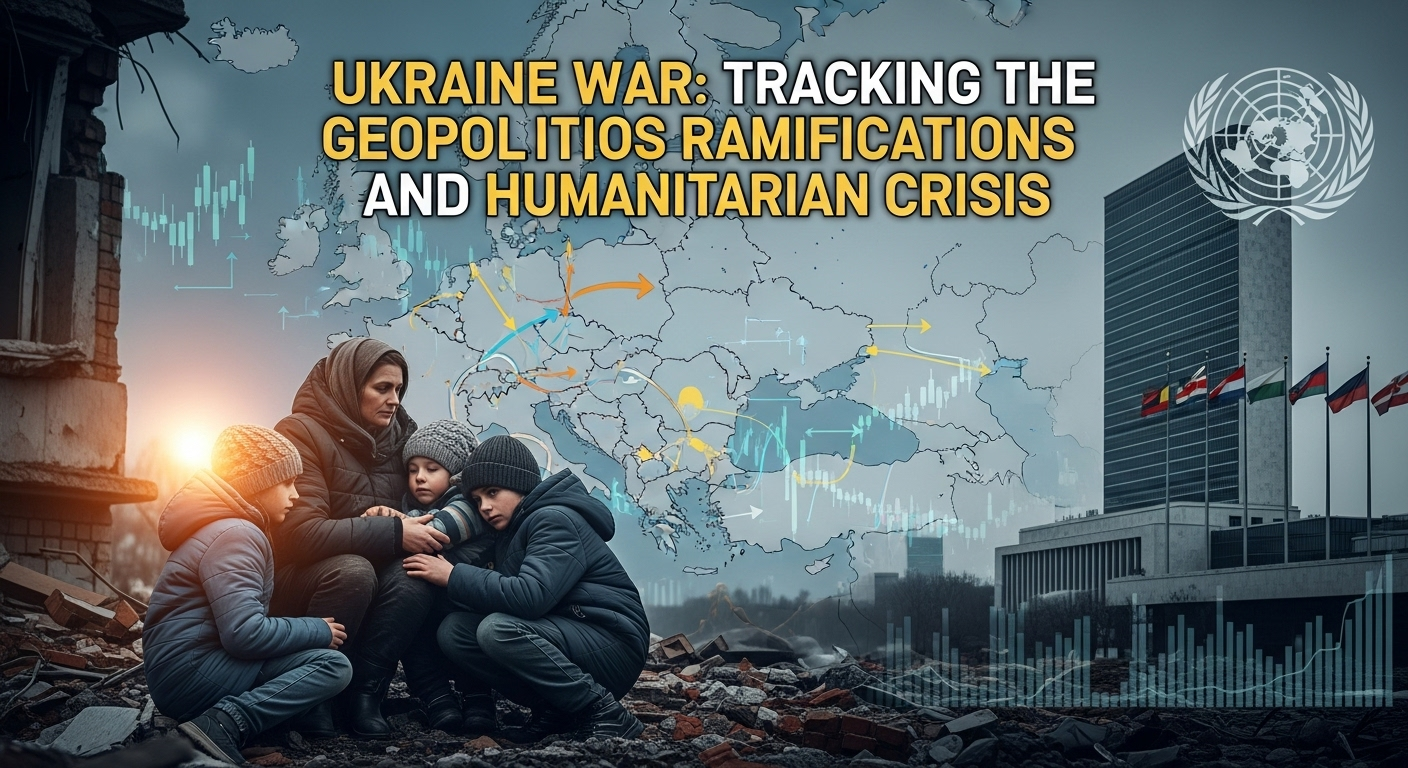
Okay, let’s talk about the Ukraine War. It feels like it’s been simmering on the back burner of our collective consciousness for so long now, but the ramifications – geopolitical and, crucially, humanitarian – are anything but simmering. They’re boiling over, reshaping the world in ways we’re only just beginning to grasp. I initially thought this was “just” a regional conflict. How wrong I was. I mean, was I the only one who thought that? Probably not.
The sheer scale of human suffering is, frankly, staggering. We’re talking millions displaced, lives upended, futures stolen. And behind the headlines, there are countless individual tragedies – stories of loss, resilience, and unimaginable hardship. Thinking about it keeps me up at night. I can’t even imagine what it’s like to be in their shoes. This isn’t some abstract geopolitical chess game; it’s real people, real lives, hanging in the balance.
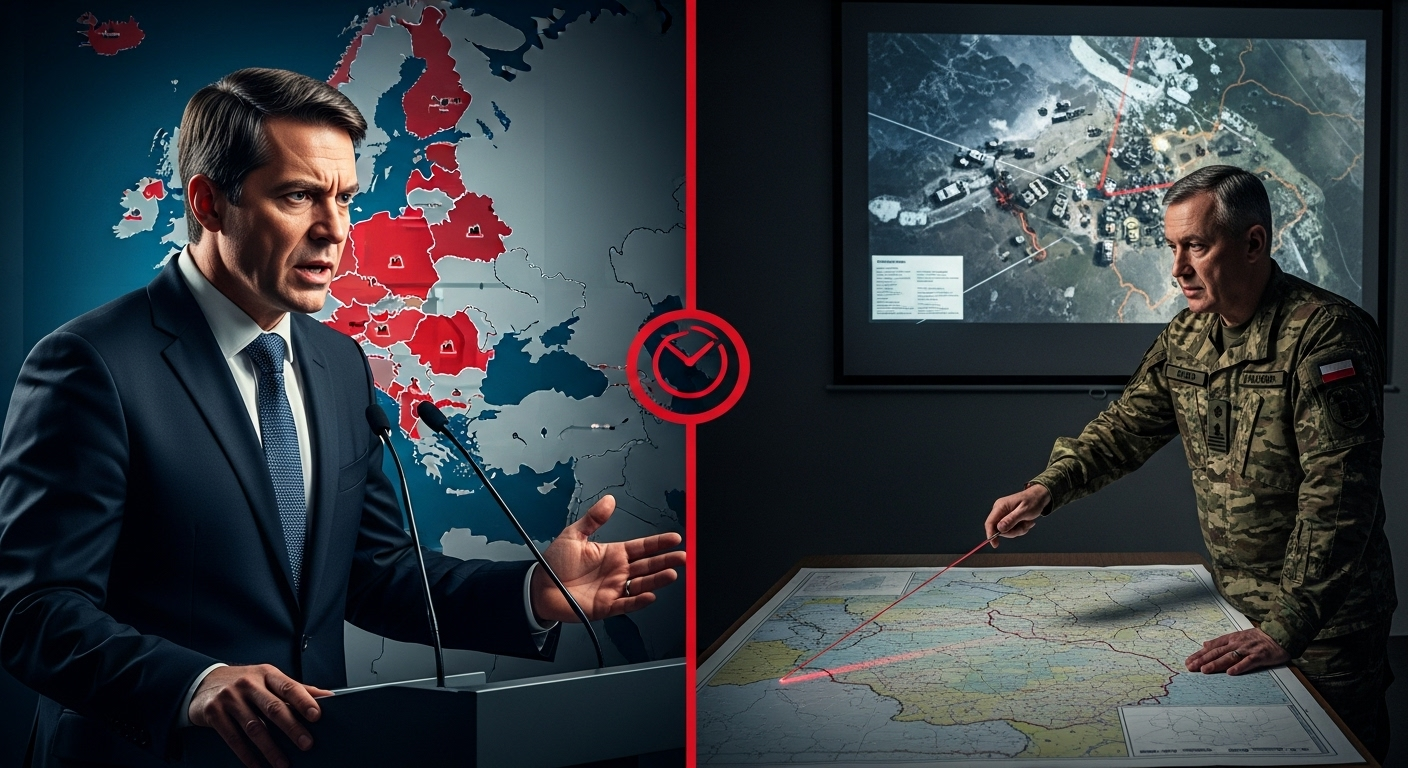
But before we dive too deep into the humanitarian aspects, let’s address the elephant in the room: the geopolitical implications. It’s a tangled web, no doubt. And frankly, I’m not a geopolitical analyst, but even I can see that this conflict has fundamentally altered the balance of power.
The Shifting Sands of Geopolitics
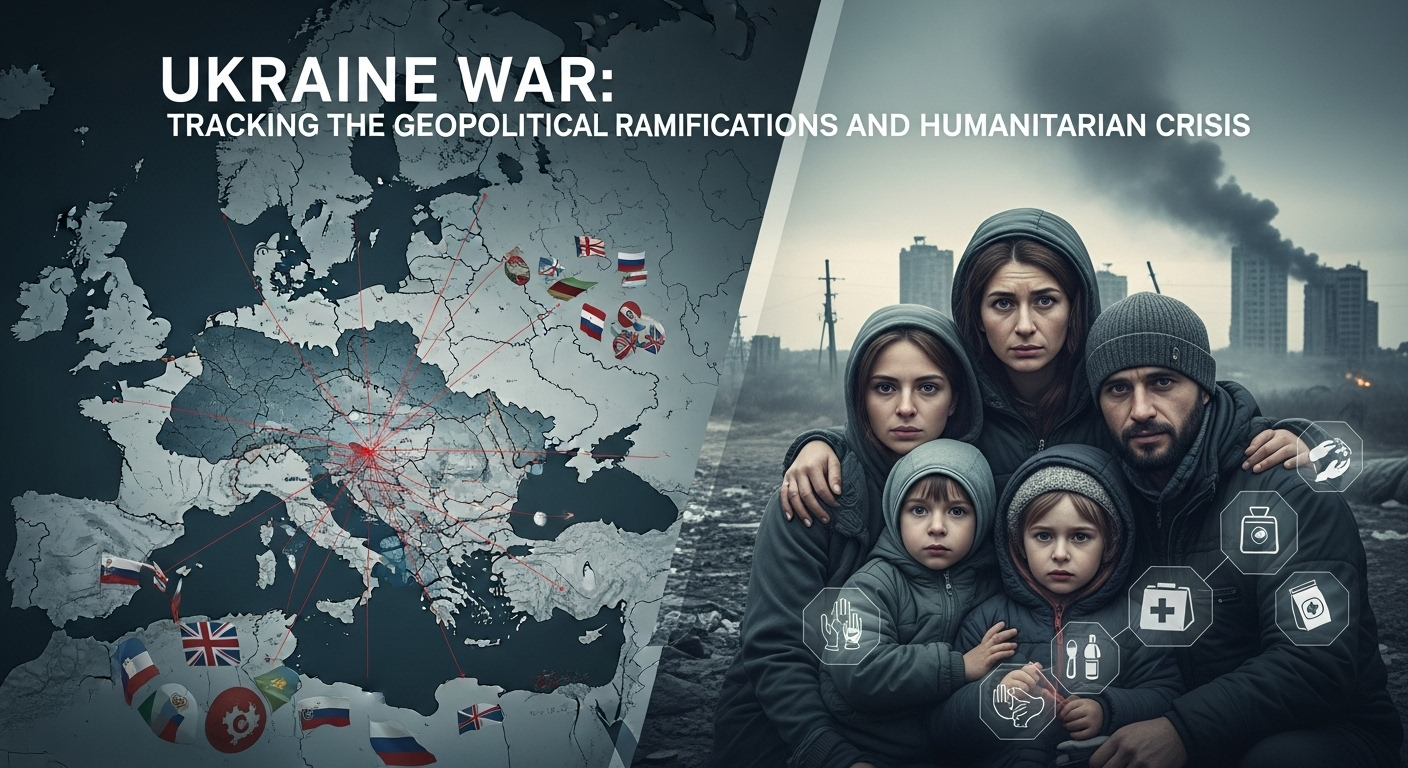
Russia’s invasion has, in many ways, reinvigorated NATO. Remember when people were questioning its relevance? Yeah, that seems like a lifetime ago. Now, countries like Finland and Sweden are knocking on the door, eager to join the alliance. And that, in itself, is a massive geopolitical shift. You know, the kind that history books are written about. I think it’s amazing.
And then there’s the economic fallout. Sanctions, trade disruptions, soaring energy prices… the list goes on. The war has exposed the fragility of global supply chains and accelerated the trend towards de-globalization – or at least, a re-evaluation of who we rely on for what. Andrey Rublev News have been severly affected by the situation. This has affected the economy of various countries. Countries are scrambling to diversify their energy sources and reduce their dependence on Russia. But it’s not an easy fix. Think of Germany’s reliance on Russian gas – a problem decades in the making, not something you can solve overnight.
But there’s another, perhaps less obvious, geopolitical ramification: the weaponization of information. Disinformation campaigns, cyberattacks, propaganda… these are all tools of modern warfare, and they’ve been deployed with frightening effectiveness in this conflict. Consider the role of social media in amplifying misinformation and fueling polarization. It’s a scary thought.. The challenge, of course, is how to combat these threats without infringing on freedom of speech. A conundrum for sure.
The Unfolding Humanitarian Disaster
Let’s get back to the human cost, shall we? Because while geopolitical strategies and economic models are important, they pale in comparison to the suffering of ordinary people caught in the crossfire. We’re talking about families torn apart, homes destroyed, lives shattered. The numbers are staggering, but they don’t even begin to tell the whole story.
Think about the refugees – millions of Ukrainians forced to flee their homes, seeking safety in neighboring countries. The logistical challenges of providing them with food, shelter, and medical care are immense. And the psychological toll… well, that’s something we may not fully understand for years to come.
But it’s not just the refugees. It’s also the people who are still trapped inside Ukraine, living under constant threat of bombardment. Many of them lack access to basic necessities like food, water, and electricity. The situation is dire, to say the least.
The international community has responded with aid and support, but it’s not enough. More needs to be done to alleviate the suffering and protect vulnerable populations. And that’s where organizations like the UN Refugee Agency (UNHCR) and the Red Cross come in. They’re on the front lines, providing life-saving assistance to those in need. But they can’t do it alone.
Long-Term Repercussions and the Road Ahead
What does the future hold? Honestly, I don’t have a crystal ball. But I can tell you this: the Ukraine War will have long-lasting repercussions, both for the region and for the world. The geopolitical landscape has been irrevocably altered, and the humanitarian crisis will continue to demand attention and resources for years to come.
And the most important thing – in my opinion – is that we don’t lose sight of the human element. This is not just about politics and economics; it’s about real people, real lives, and real suffering. We have a moral obligation to help them, to support them, and to stand in solidarity with them. This is why.
The reconstruction effort will be massive, requiring a sustained commitment from the international community. And it’s not just about rebuilding infrastructure; it’s also about rebuilding lives, restoring hope, and fostering reconciliation. It’s a daunting task, but it’s one that we must embrace. The world needs to stand behind Ukraine.
FAQ: Understanding the Ukraine War
Why did Russia invade Ukraine in the first place?
Ah, the million-dollar question! There’s no single, simple answer, unfortunately. Russia’s motivations are complex and multi-layered, encompassing historical grievances, security concerns, and geopolitical ambitions. President Putin has repeatedly stated his belief that Ukraine is historically part of Russia and that its alignment with the West poses a threat to Russian security. However, many analysts argue that Russia’s true aim is to reassert its influence in the region and prevent Ukraine from further integrating with Europe. Ultimately, the reasons are a tangled mess of power, pride, and perceived threats.
How has the Ukraine War impacted global food security?
This is a big one. Ukraine is a major exporter of grain, particularly wheat, corn, and sunflower oil. The war has disrupted planting and harvesting, blocked key ports, and sent global food prices soaring. This has had a devastating impact on countries that rely on Ukrainian grain imports, particularly in the Middle East and Africa. The situation is further compounded by rising energy prices and supply chain disruptions. It’s a perfect storm that’s threatening to push millions more people into poverty and hunger. The frustrating thing is it was so avoidable!
What are the chances of a wider conflict erupting?
This is the question that keeps everyone on edge. While the risk of a direct military confrontation between Russia and NATO remains relatively low, it’s not zero. The war has already triggered a significant increase in military spending and heightened tensions between Russia and the West. Miscalculations or escalatory actions could easily lead to a wider conflict with catastrophic consequences. Diplomacy is key here, but it’s a delicate balancing act.
Ukraine War: What role are other countries playing in the Ukraine war?
Many countries have condemned Russia’s invasion and imposed sanctions. NATO countries have provided military aid and humanitarian assistance to Ukraine. Some countries, such as China, have taken a more neutral stance, calling for peace negotiations but refraining from criticizing Russia directly. It’s a complex landscape of shifting alliances and competing interests. The thing to remember is everyone’s got their own agenda, whether they admit it or not.
How can I help the people of Ukraine?
There are many ways to support the people of Ukraine. You can donate to reputable humanitarian organizations that are providing assistance to refugees and internally displaced persons. You can advocate for policies that support Ukraine and hold Russia accountable for its actions. You can raise awareness about the crisis and share information with your friends and family. Even small acts of kindness can make a difference. Here’s the thing: don’t underestimate the power of collective action!