Okay, let’s talk climate change. Not in that doom-and-gloom, end-of-the-world-as-we-know-it kind of way (though, let’s be real, some days it feels like that). But in a, “Hey, this is happening, here’s what the smart folks are saying, and what it actually means for your life” kind of way. Because honestly? The constant stream of terrifying headlines can be paralyzing. And paralysis helps no one. We need information, not just fear.
So, what’s new? What’s shifted in the scientific understanding lately? And more importantly, how does this affect what you’re going to be paying at the grocery store next year – or whether your favorite beach is still going to be your favorite beach in ten years?
The Ice Is Still Melting (And Faster Than We Thought)
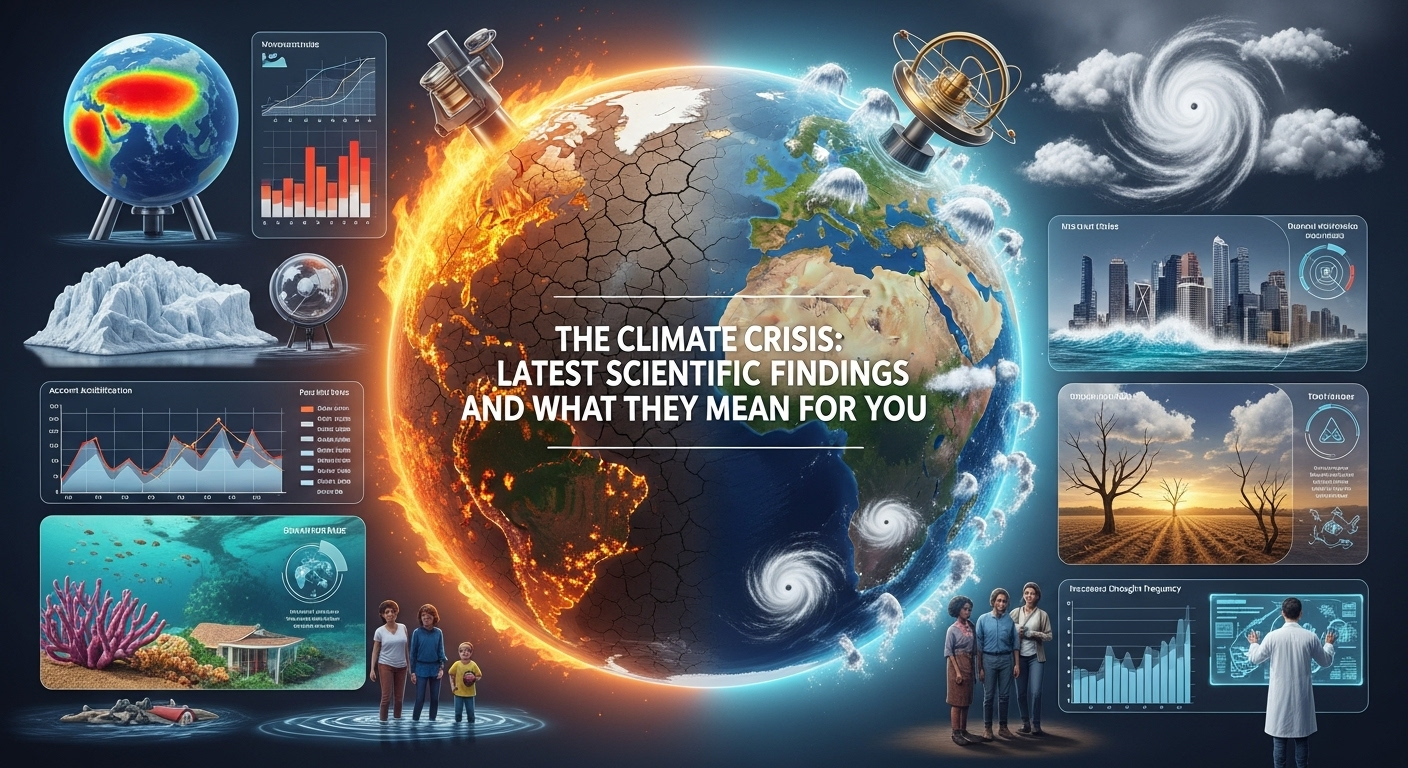
Let’s start with the obvious, but important. The ice caps are still shrinking. Greenland, Antarctica…they’re shedding gigatons of ice every single year. You might be thinking: “Okay, sure, but that’s…there.” But here’s the thing: that melting ice contributes to rising sea levels. And rising sea levels, even seemingly small increases, can have huge knock-on effects. Coastal erosion gets worse. Storm surges become more devastating. And yeah, certain low-lying areas might just disappear altogether. Think about some island nations, some parts of Florida…it’s not abstract, it’s happening now.
Actually, that’s not quite right, it’s also happening in Europe: Check out some amazing games
And it’s not just the amount of ice melt, but the rate of melting that’s concerning scientists. It’s accelerating. Models that predicted a certain amount of sea level rise by, say, 2050 are now being adjusted. It’s happening faster. Which means we have less time to adapt, less time to mitigate. Which is, to put it mildly, frustrating.
Extreme Weather Events: The New Normal?
We’ve all seen it, haven’t we? The record-breaking heatwaves, the floods that swallow entire towns, the wildfires that rage for weeks. Are these just random occurrences? Nope. The overwhelming scientific consensus is that these extreme weather events are becoming more frequent and more intense due to climate change. The atmosphere is warmer, which means it can hold more moisture, which leads to heavier rainfall and more intense flooding. Warmer temperatures also mean drier conditions in many areas, creating the perfect conditions for wildfires.
But, there’s something even more interesting here that I need to share. It’s not just about the average temperature increasing. It’s about the variability increasing. The swings between hot and cold, wet and dry, are becoming more extreme. This makes it harder for ecosystems to adapt, and it makes it harder for us to plan.
What About Carbon Capture? A Ray of Hope?
Okay, so things sound pretty grim, right? But there are some potential solutions on the horizon. One of the most promising is carbon capture technology. The idea is simple: suck carbon dioxide out of the atmosphere and store it somewhere safe. This can be done in a variety of ways, from planting trees (which naturally absorb CO2) to building high-tech machines that directly capture CO2 from the air. I remember when this approach first emerged, it seemed like science fiction. Now, there are pilot plants popping up all over the world, testing different approaches.
And here’s the thing: carbon capture is not a silver bullet. It’s not going to magically solve the climate crisis. But it could be a crucial part of the solution. It could help us to draw down the excess CO2 that’s already in the atmosphere, giving us more time to transition to a clean energy economy. Think about it this way: it’s like mopping up the water while you’re trying to fix a leaky faucet. You still need to fix the faucet (reduce emissions), but mopping up the water (carbon capture) can prevent things from getting even worse in the meantime.
You might be wondering where this captured carbon gets stored. Good question! Options include injecting it deep underground into geological formations, or using it to create new products, like concrete or plastics. The technology is still developing, and there are challenges to overcome (cost, energy requirements, potential environmental impacts), but the potential is huge.
The Climate Crisis and Your Wallet
Let’s get real for a moment. All this scientific talk is interesting, but what does it actually mean for you, personally? Well, the climate crisis is already impacting your wallet, and it’s only going to get worse. Food prices are rising due to droughts and floods that are disrupting agriculture. Insurance premiums are going up in areas that are prone to extreme weather events. And energy costs are becoming more volatile as we transition away from fossil fuels. It’s a complex situation, and there are no easy answers. But ignoring the problem is not an option.
And speaking of disruption. If you are looking for more reading on technological and environmental disruption, you might be interested in reading The Climate Crisis: Urgent Reports and Sustainable Solutions.
I keep coming back to this point because it’s crucial: Climate change isn’t just an environmental issue, it’s an economic issue, a social issue, and a political issue. It affects every aspect of our lives. And that’s why it’s so important to understand the latest scientific findings and what they mean for us. Only then can we make informed decisions and take meaningful action.
FAQ: Climate Change Questions Answered
How do I know if climate change is affecting me directly?
That’s a fair question! It’s not always easy to see the direct link between global climate patterns and your everyday life. But here’s the thing: if you’re experiencing more extreme weather events (heatwaves, floods, droughts), if you’re seeing increases in food prices, or if you’re paying higher insurance premiums, then chances are climate change is already having an impact. And those impacts are only going to become more pronounced in the years to come. Look around your local area – are there changes in plant or animal life? Has the timing of seasons shifted? These subtle signs can also be indicators of broader climate change impacts. It’s about connecting the dots between the global picture and your local reality.
Why should I care about climate change if it seems like a problem for future generations?
Here’s the thing about this: while the most devastating consequences of climate change might be felt by future generations, we’re already seeing significant impacts today. Extreme weather events are becoming more frequent and intense, disrupting lives and livelihoods. Food prices are rising. And vulnerable populations are being displaced by rising sea levels and other climate-related disasters. So, while it’s true that future generations will face even greater challenges, we’re not off the hook. Our actions (or inaction) today will determine the severity of the impacts they face. Plus, many of the solutions to climate change (clean energy, sustainable agriculture) have immediate benefits, like cleaner air, healthier food, and a more resilient economy.
What’s the difference between climate change and global warming?
Good question! The terms are often used interchangeably, but there’s a subtle difference. Global warming refers specifically to the increase in Earth’s average temperature. Climate change, on the other hand, is a broader term that encompasses all the changes that are happening to our planet’s climate, including rising temperatures, changes in precipitation patterns, sea level rise, and more frequent extreme weather events. So, global warming is just one aspect of climate change.
Isn’t the climate always changing naturally? What makes this different?
Okay, this is a common misconception. Yes, the Earth’s climate has changed naturally throughout its history. But the current rate of change is unprecedented. The key difference is the role of human activity. The burning of fossil fuels has released massive amounts of greenhouse gases into the atmosphere, trapping heat and causing the planet to warm at an alarming rate. Scientists have meticulously studied the natural factors that influence climate, such as volcanic eruptions and solar activity. And they’ve concluded that these factors cannot explain the current warming trend. The evidence overwhelmingly points to human activity as the primary driver of climate change. This is what The Climate Crisis: Latest Scientific Findings show us.