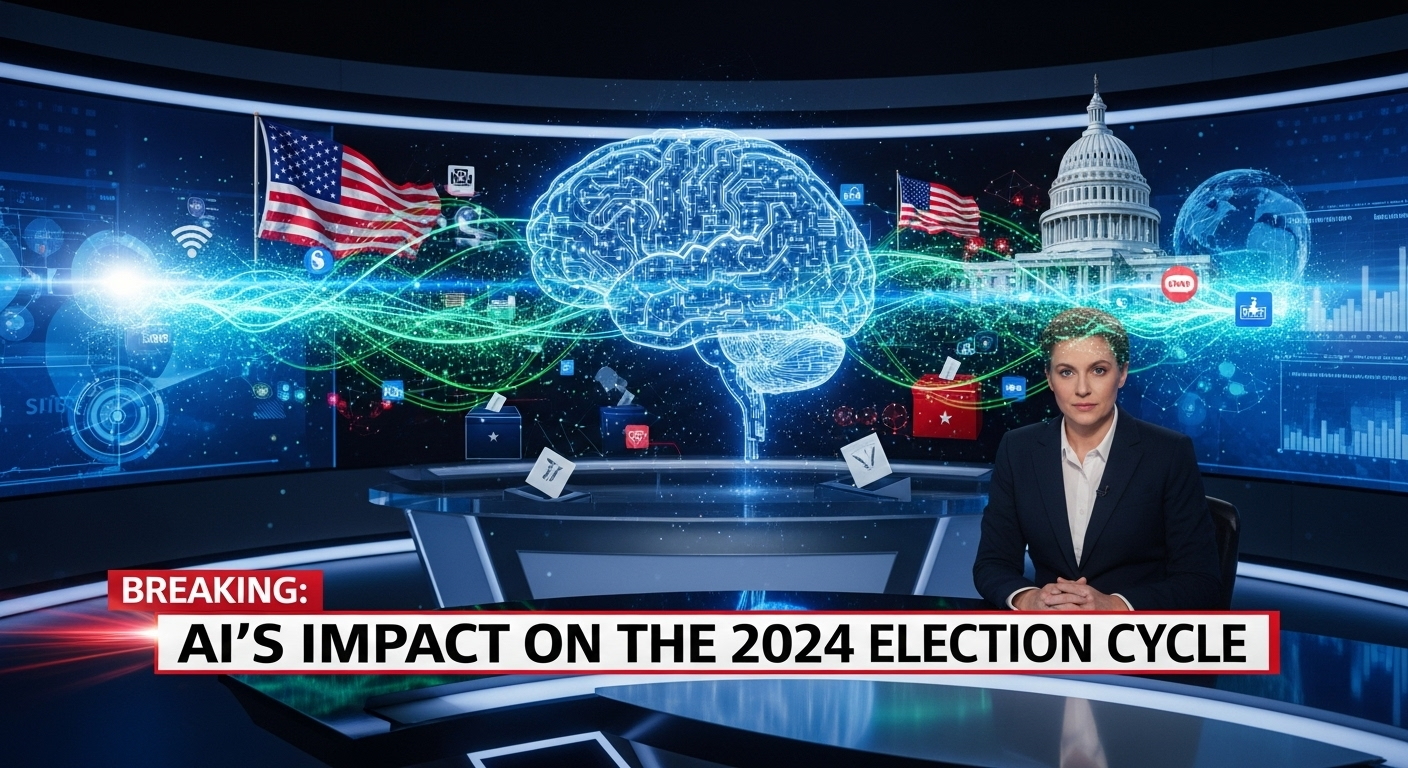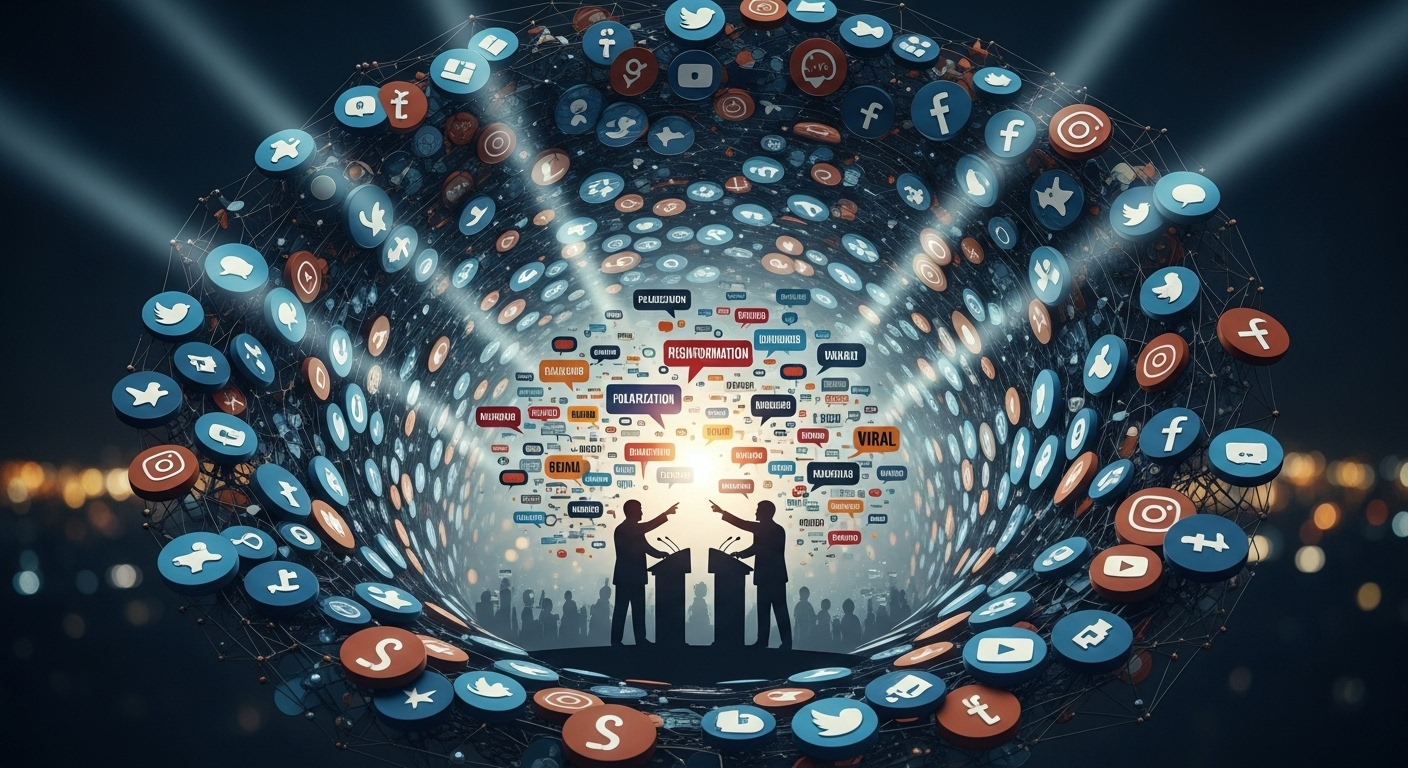
Okay, let’s be real. Has anyone else noticed how political debates seem to have devolved into…well, shouting matches on Twitter? I mean, I get it. Politics is important. It affects our lives. But the way we talk about politics online? It’s often, to put it mildly, a mess. And that’s what I want to talk about today, the real influence social media has on our political discourse.
It wasn’t always this way. Remember the early days of the internet? There was this naive optimism that connecting everyone would lead to, I don’t know, world peace or something. But somewhere along the line, things went sideways. Maybe it was the algorithms, maybe it was human nature. Probably a bit of both. But the result is clear: social media often amplifies the worst aspects of our political selves.
The Echo Chamber Effect
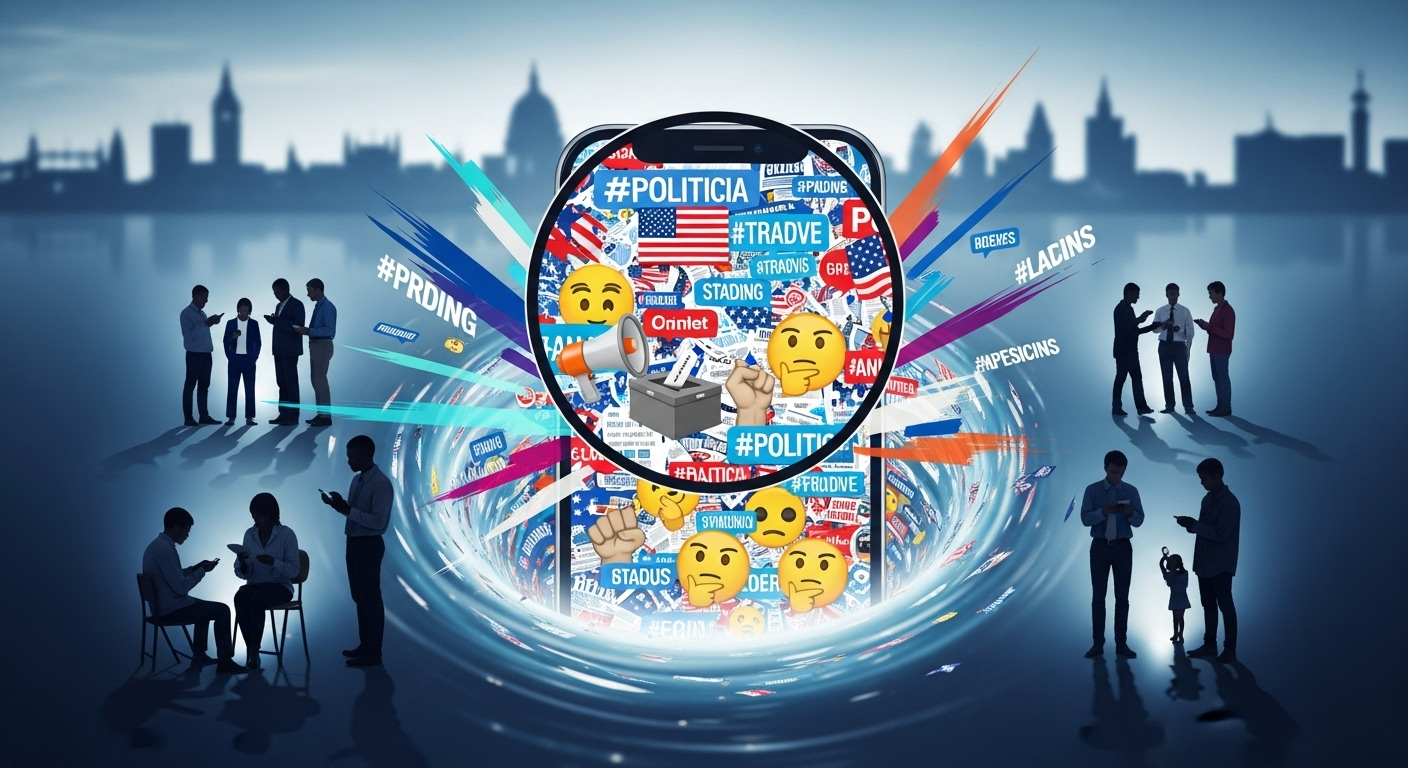
Here’s the thing: social media platforms love to show you what you already agree with. It keeps you engaged, right? More clicks, more ads, more money. I get it, capitalism. But the side effect is that you end up living in an echo chamber, surrounded by people who think exactly like you do. And when you only hear one side of an argument, it’s easy to think that everyone else is either stupid or evil. Or both. Crazy Games
This isn’t a new phenomenon, of course. People have always tended to hang out with like-minded individuals. But social media takes it to a whole new level. It’s not just that you’re surrounded by people who agree with you. It’s that the algorithm is actively filtering out dissenting voices. Talk about confirmation bias on steroids!
The Rise of Outrage and Misinformation
And then there’s the outrage machine. Social media thrives on emotion. And what’s more engaging than outrage? Seriously, think about it. A calm, reasoned argument rarely goes viral. But a tweet that accuses someone of being a fascist? Or a communist? Now that’s going to get some attention. The problem is, all this outrage makes it really hard to have a productive conversation. When everyone is yelling, nobody is listening. It’s like trying to have a serious discussion at a rock concert. Not gonna happen.
Speaking of misinformation, I shudder when I think of the last election. I initially thought the spread of fake news was simply a matter of people being gullible, but after diving deep I found out the problem is far more complex.
And let’s not even get started on bots and trolls. They’re basically digital mercenaries, hired to sow discord and spread disinformation. It’s like a modern-day version of propaganda, but on steroids. And the frustrating thing is, it’s often really hard to tell what’s real and what’s fake. The lines are so blurred. This also ties into current economic pressures, as individuals become more susceptible to divisive narratives during times of financial strain.
The Impact on Political Leaders
It’s not just us regular folks who are affected by all this. Political leaders are, too. And honestly, it’s not always pretty. Social media encourages politicians to speak in sound bites and engage in performative activism. It’s all about getting those likes and retweets, even if it means sacrificing substance. Which, you know, it often does. But what can you expect? It’s a vicious cycle: we demand instant gratification, and politicians are happy to provide it, even if it means dumbing down the debate.
But maybe there’s hope. There’s been some discussion lately about regulations, algorithmic transparency, and media literacy. I’ve got to admit, this part fascinates me. Can we actually fix this mess? Can we create a social media environment that fosters genuine dialogue and informed debate? I don’t know. But I think it’s worth trying. Because the alternative – a society increasingly divided by echo chambers and misinformation – is not a pretty picture.
Finding Common Ground in a Divided World
So, what can we do? Well, for starters, we can try to be a little more mindful of our own biases. Recognize that other people might have different perspectives, and that doesn’t necessarily make them evil. Engage in civil discourse. Try to listen more than you talk. And for crying out loud, fact-check before you share something! Just because it confirms your beliefs doesn’t mean it’s true.
It’s a long shot, I know. But maybe, just maybe, if we all try to be a little more thoughtful and a little less reactive, we can start to bridge the divides that are tearing us apart. Maybe we can even start to have actual conversations about the issues that matter. Imagine that. It sounds naive, I know. But hey, a guy can dream, right? And it may depend on embracing a bit of new technology, as the ways we communicate continue to evolve.
FAQ: Social Media & Political Discourse
Why is political discourse so toxic on social media?
There are a few reasons, really. One big factor is the echo chamber effect. Social media algorithms tend to show you content that confirms your existing beliefs, which can lead to polarization and a lack of understanding of opposing viewpoints. The anonymity offered by some platforms can also embolden people to say things they wouldn’t otherwise say in person. And let’s not forget the role of bots and trolls, which are often used to spread misinformation and sow discord. Combine that with the tendency to engage in outrage and… well, you’ve got the mess we see today.
How does social media affect political polarization?
Social media can definitely exacerbate political polarization. By creating echo chambers and filtering out diverse perspectives, it can make it harder for people to understand and empathize with those who hold different beliefs. This can lead to increased animosity and a sense of division. It’s a bit like living in a bubble where everyone agrees with you, which can make it seem like anyone who disagrees is inherently wrong or even evil.
Is all news on social media fake?
Definitely not! There are plenty of reputable news sources on social media. However, it’s important to be critical of what you see online and to fact-check information before sharing it. Look for credible sources, be wary of sensational headlines, and be skeptical of anything that seems too good (or too bad) to be true. Social Media’s Influence on Political Discourse: A Deep Dive is a multifaceted problem that starts with your vigilance.
How do I know if I’m stuck in a political echo chamber online?
This is a tough one, but there are signs. Do you only see opinions you agree with in your feed? Do you rarely encounter dissenting viewpoints? Do you find yourself dismissing or ridiculing opposing arguments without really considering them? If so, you might be in an echo chamber. Try following people with different perspectives, reading news from diverse sources, and engaging in respectful dialogue with those who hold opposing views.