
Okay, let’s talk about something that’s been bugging me lately – local news. I mean, really local. The kind of stuff you used to find in the town paper, the kind that told you who won the pie-eating contest at the county fair and whether the new bakery on Main Street was any good. That stuff. Is it dying? Feels like it sometimes.
We’re bombarded with national headlines, 24/7 news cycles screaming about… well, you know. Everything. But what about what’s happening right here? What about the school board meeting, the zoning dispute, the local election that’ll actually affect your water bill? That’s the stuff that matters, day to day. And it’s fading, fast.
But – and this is a big but – is it really dying, or is it just… evolving? That’s the question I keep wrestling with. Because on one hand, you see newspaper after newspaper folding, budgets slashed, reporters laid off. Local news deserts are a real thing, folks. On the other hand, there’s this explosion of online community groups, hyper-local blogs, citizen journalism initiatives. Are these the life rafts? Or just flimsy substitutes?
The Shrinking Newsroom: A Real Problem
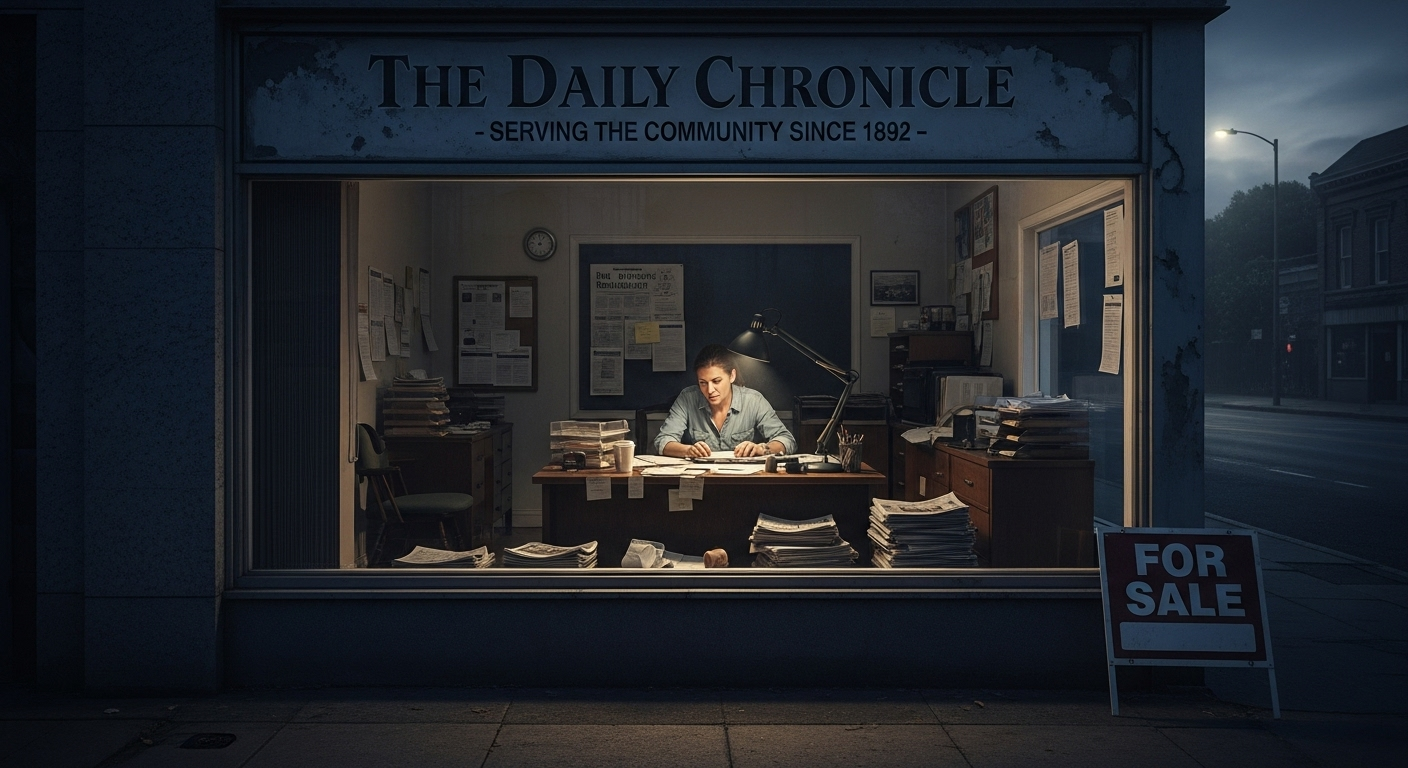
Let’s not sugarcoat it. The traditional model is crumbling. Advertising revenue has cratered, siphoned off by the digital giants. Print subscriptions are in freefall. And the result? Newsrooms are shadows of their former selves. Experienced reporters are gone, replaced by… well, sometimes nothing. The watchdog function, the accountability, the sheer information that a strong local news outlet provides – it’s vanishing.
And that has real consequences. Think about it. Who’s going to hold the mayor accountable if there’s no reporter showing up at city council meetings? Who’s going to investigate the shady developer if the local paper doesn’t have the resources to dig? It’s a breeding ground for corruption, incompetence, and plain old bad decisions. This isn’t just about nostalgia for the good old days; it’s about the health of our communities.
The Rise of Hyperlocal: A Glimmer of Hope?
But hold on. Before we get too doom and gloom, let’s look at the other side of the coin. The internet, for all its flaws, has also created incredible opportunities for community-driven journalism. Bloggers, citizen reporters, online forums – they’re all stepping up to fill the void. [Internal Link: Toyota Corolla Touring Sports 1.8 Hybrid Review: Tested on the Schwarzer Grat] Maybe the solution isn’t trying to revive the old model, but embracing something entirely new. The challenge? Ensuring these new initiatives are sustainable, ethical, and, well, good.
The frustrating thing is that so many are not. They are poorly written, biased, or simply disappear after a few months. But some are flourishing! Creating a niche and building a community that is truly informed and engaged.
Can Community Journalism Survive? Quality Matters
Here’s the thing: quality matters. A lot. It’s not enough to just have more news sources; we need better news sources. Ones that are accurate, fair, and well-researched. That means training, resources, and a commitment to journalistic ethics. It also means… well, it means people willing to pay for it. And that’s the rub, isn’t it?
I initially thought that people would be willing to pay a small fee for quality local journalism, but after looking deeper, I realized how hard it is to get people to pay for anything online these days. Everything is free and ad-supported, making it difficult for quality journalism to compete.
You might be wondering, “How do we pay for quality local news?” That’s the million-dollar question. Subscriptions? Donations? Grants? A new business model entirely? The answer, I suspect, is a combination of all of the above. But it requires a shift in mindset. We need to value local news, to see it as an essential service, like clean water or good schools. And we need to be willing to support it, financially and otherwise.
And that also means supporting platforms, like Crazy Games, that offer a different and fun way for individuals to engage with each other and with their community.
The Future of Local: A Community Effort
The truth is, the future of local news isn’t going to be decided by some grand plan or top-down initiative. It’s going to be decided by us, by the communities we live in. Are we willing to step up, to support local journalists, to engage in civic discourse, to demand accountability from our leaders? Are we willing to invest in the information ecosystem that sustains our communities? [Internal Link: Dacia Jogger in the Zittau Mountains: A Real-World Test of the Most Affordable Family Van] That’s the question we need to ask ourselves. Because if we don’t, we might just wake up one day and find that our communities have become news deserts, places where the powerful go unchecked and the voices of ordinary people are silenced. And that’s a future I don’t want to see.
FAQ: Navigating the Changing Landscape of Local News
How do I know if my local news source is reliable?
That’s a great question! Look for sources that adhere to basic journalistic ethics: fact-checking, fairness, transparency. Do they cite their sources? Do they present multiple sides of a story? Are they transparent about their funding and ownership? If a news source seems overly biased or relies on anonymous sources, take it with a grain of salt. Independent fact-checking organizations can also be helpful in assessing the reliability of news outlets.
Why is local news so important anyway? Can’t I just get all my news from national sources?
You could, but you’d be missing out on a crucial layer of information. National news focuses on broad trends and national events. Local news focuses on the issues that directly affect your life: local elections, school board decisions, zoning changes, community events. It’s the information you need to be an informed and engaged citizen of your community. Plus, local news often holds local leaders accountable, which national news rarely has the bandwidth to do.
What can I do to support local journalism?
Lots of things! Subscribe to your local newspaper or online news site. Donate to a local news organization. Share local news stories on social media. Attend community meetings and ask questions. And most importantly, be a critical consumer of news. Don’t just passively accept what you read; question it, verify it, and think for yourself. All of these things help ensure that the local news ecosystem stays vibrant.
Is “Local News Under Siege: Can Community Journalism Survive?” a realistic question?
Absolutely! The challenges are real. Funding is shrinking, trust in media is eroding, and the information landscape is becoming increasingly fragmented. But it’s not a foregone conclusion that local news will disappear. By supporting local news outlets and engaging with our communities, we can help ensure that community journalism not only survives but thrives.