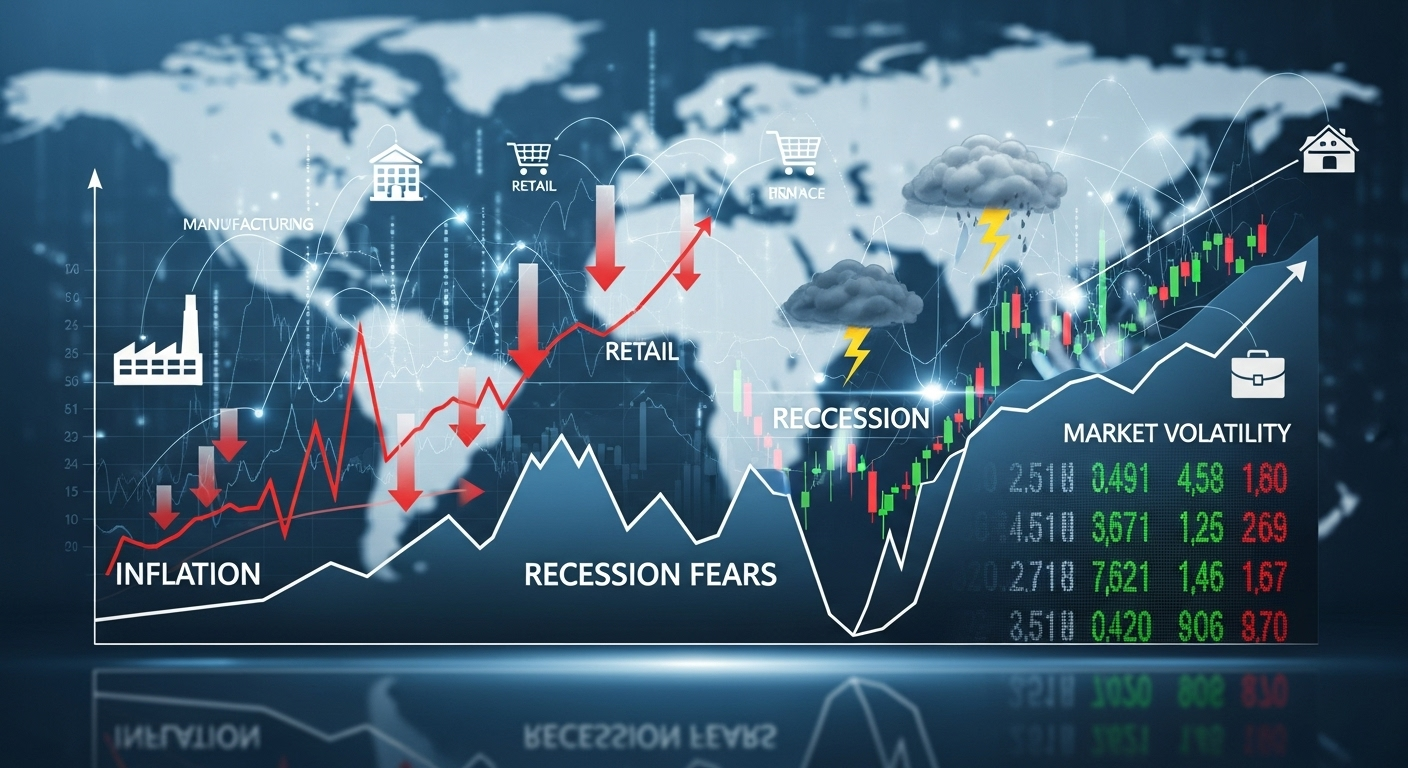
Okay, let’s talk shop. The kind of shop where the shelves are stocked with anxieties about inflation, recession whispers, and market rollercoasters that make you want to simultaneously scream and buy more coffee. I’ve been glued to financial news lately (more than usual, anyway) trying to make sense of it all. It feels like we’re all holding our breath, waiting for… well, something to give.
And honestly? It’s confusing. One day, analysts are practically ringing the alarm bells, predicting doom and gloom. The next, they’re cautiously optimistic, pointing to glimmers of hope in the data. It’s enough to give anyone whiplash. But I’ve been digging, comparing notes with some of my (admittedly nerdy) finance friends, and here’s what I’ve pieced together so far. It’s not a magic crystal ball, but hopefully, it’ll give you a clearer picture than just screaming headlines.
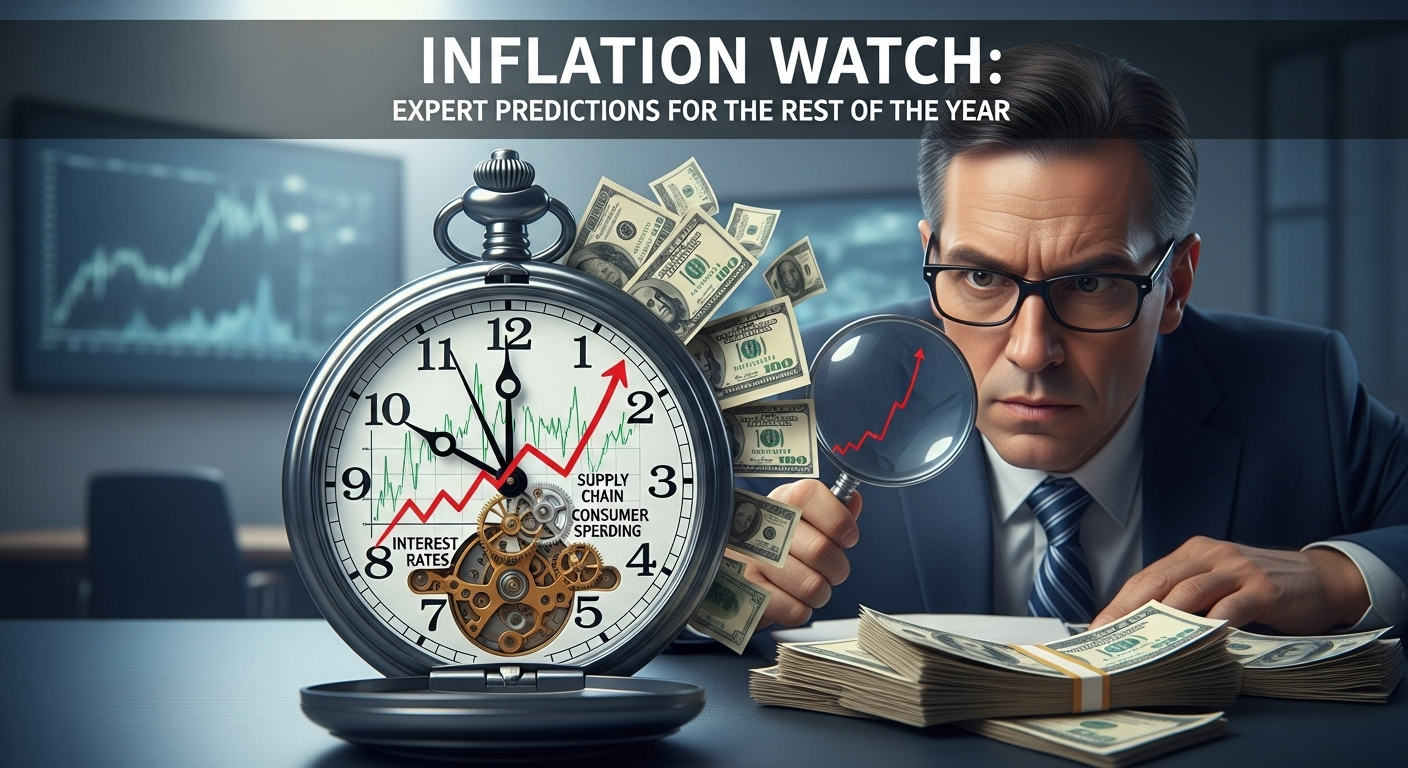
First, let’s address the elephant in the room, the one that’s been trampling our wallets for the past couple of years: inflation. Investopedia defines inflation as the rate at which the general level of prices for goods and services is rising, and subsequently, purchasing power is falling. We’ve all felt it, right? The grocery bill that keeps climbing, the gas prices that fluctuate wildly, the cost of pretty much everything inching (or sometimes leaping) upwards.
Understanding the Inflation Puzzle
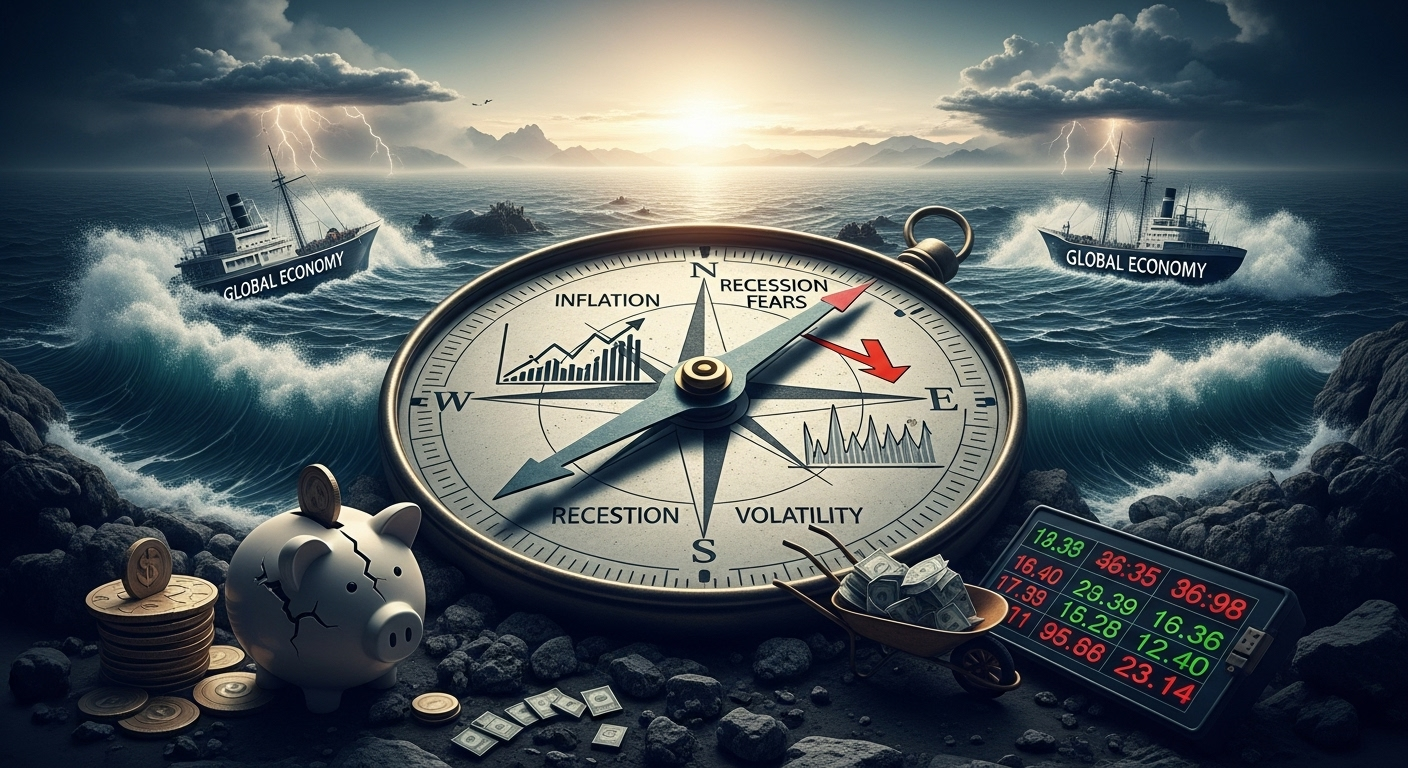
The frustrating thing about inflation is that it’s not just one thing. It’s a complex interplay of factors. Supply chain disruptions (remember those?), increased demand as the economy rebounded from the pandemic, and even geopolitical events all play a role. And, of course, there’s the issue of government spending and monetary policy. Too much money chasing too few goods? That’s inflation in a nutshell. Actually, that’s not quite right, because there are a lot of complexities in the details.
But here’s the thing: inflation seems to be cooling down. The rate of increase has slowed, which is good news. However, it’s still above the Federal Reserve’s target of 2%. So, the Fed is likely to keep raising interest rates, which leads us to… dun dun dun… recession fears.
Recession Watch: Are We There Yet?
A recession. Just the word itself is enough to make anyone nervous. We remember 2008, 2020, etc. The definition of a recession is hotly debated, though it generally is a significant decline in economic activity spread across the economy, lasting more than a few months, normally visible in real GDP, real income, employment, industrial production, and wholesale-retail sales. A common, though not universal, definition is two consecutive quarters of negative GDP growth. But, honestly, definitions aside, what does a recession feel like?
Job losses, businesses closing down, investment shrinking, and a general sense of economic uncertainty. And while the job market has remained surprisingly resilient (which I’ve got to admit, fascinates me), there are definitely signs that the economy is slowing. Interest rate hikes are designed to cool things down, but they also risk triggering a recession. It’s a delicate balancing act. Think of it like walking a tightrope with a bag full of economic anxieties.
I initially thought a recession was inevitable, but after looking deeper, I’m not so sure. There are arguments from both sides. Some say the strong labor market will stave off a deep downturn. Others point to the inverted yield curve (when short-term interest rates are higher than long-term rates) as a classic recession indicator. It’s a mixed bag, to say the least.
Navigating Market Volatility
And then there’s the stock market. Oh, the stock market. If you’re an investor, you’ve probably felt like you’re on a perpetual rollercoaster. Wild swings up and down, driven by everything from inflation data to earnings reports to geopolitical tensions. It’s enough to make you want to bury your head in the sand. As seen on Crazy Games, market volatility is definitely crazy.
Here’s the thing about market volatility: it’s normal. Markets fluctuate. They always have, and they always will. But that doesn’t make it any less stressful when you see your portfolio value plummeting. The key is to stay calm, avoid making rash decisions based on fear, and remember your long-term investment strategy. Think long-term, not short-term.
Easier said than done, I know. But that’s where having a solid financial plan comes in. A good financial advisor can help you create a diversified portfolio that’s aligned with your risk tolerance and financial goals. And they can help you stay the course, even when the market gets bumpy. Which, let’s face it, it will.
And if you are thinking of selling your home, be careful of that. The rise in interest rates has made borrowing more expensive and in turn has impacted the housing market. A lot of people who are buying homes are doing so at higher mortgage rates which they did not expect.
Remember the Dot-com bubble? The 2008 financial crisis? The pandemic crash? The market always recovers. It might take time, and there will be bumps along the way, but it always does. Take a deep breath, stay diversified, and don’t panic sell. Okay? Okay.
FAQ: Decoding the Economic Outlook
How worried should I really be about a recession?
Honestly, it depends on your personal circumstances. If you’re in a stable job, have a solid financial foundation, and aren’t heavily leveraged, you can probably weather a mild recession without too much difficulty. But if you’re in a precarious job, have a lot of debt, or are close to retirement, you might want to be a bit more cautious. It’s always a good idea to have an emergency fund, regardless of the economic outlook.
Will inflation ever go back to “normal”?
That’s the million-dollar question, isn’t it? Most economists believe that inflation will eventually return to more normal levels, but it’s unlikely to happen overnight. The Federal Reserve is working to bring inflation down, but it’s a slow process. And even when inflation does cool down, prices may not necessarily go back to where they were before. Some prices may remain permanently higher.
How do rising interest rates affect me?
Rising interest rates impact everything from mortgage rates to credit card rates to the returns you earn on savings accounts. If you have a variable-rate mortgage or credit card, your payments will likely increase as interest rates rise. On the other hand, you might earn a bit more interest on your savings. Rising rates are also intended to dampen consumer spending and economic growth, therefore impacting the Economic Outlook: Navigating Inflation, Recession Fears, and Market Volatility.
What’s the best way to protect my investments during market volatility?
Diversification is key. Don’t put all your eggs in one basket. Spread your investments across different asset classes, such as stocks, bonds, and real estate. Also, consider investing in a mix of different sectors and geographies. This will help to reduce your overall risk. And remember, don’t try to time the market. It’s nearly impossible to predict short-term market movements. Just stay the course and focus on your long-term goals.
So, there you have it. My (hopefully) not-too-doom-and-gloom take on the current economic outlook. Remember, I am not an investment advisor and that the information presented here is my own opinion.
Look, it’s a weird time. There’s no getting around it. Inflation, recession, stock market rollercoasters – it’s enough to make anyone want to unplug and move to a remote cabin in the woods. But, the real goal is to become financially literate. Here’s another link for you to read about new tech to keep you distracted.
And maybe that’s not a bad idea. But until then, stay informed, stay diversified, and try to maintain a sense of perspective. We’ll get through this, one way or another.