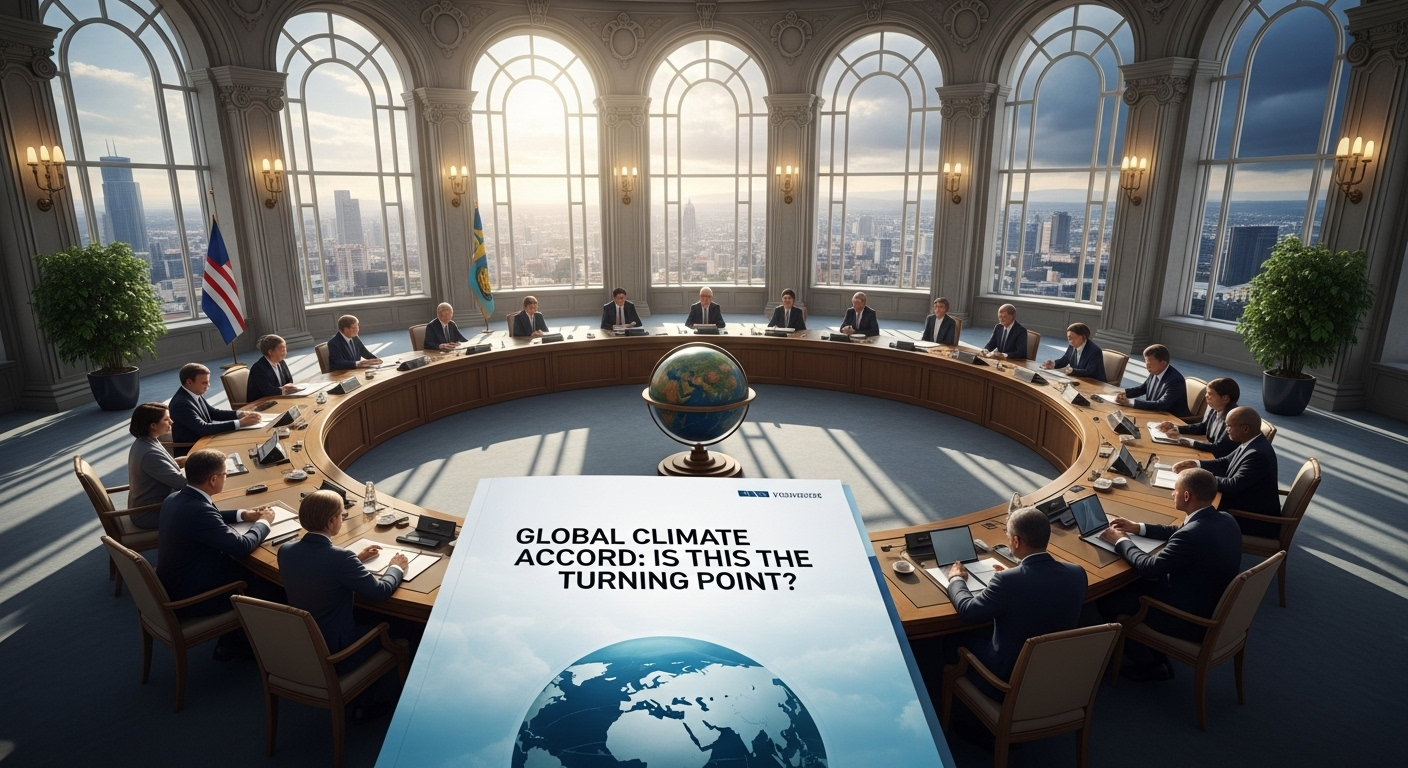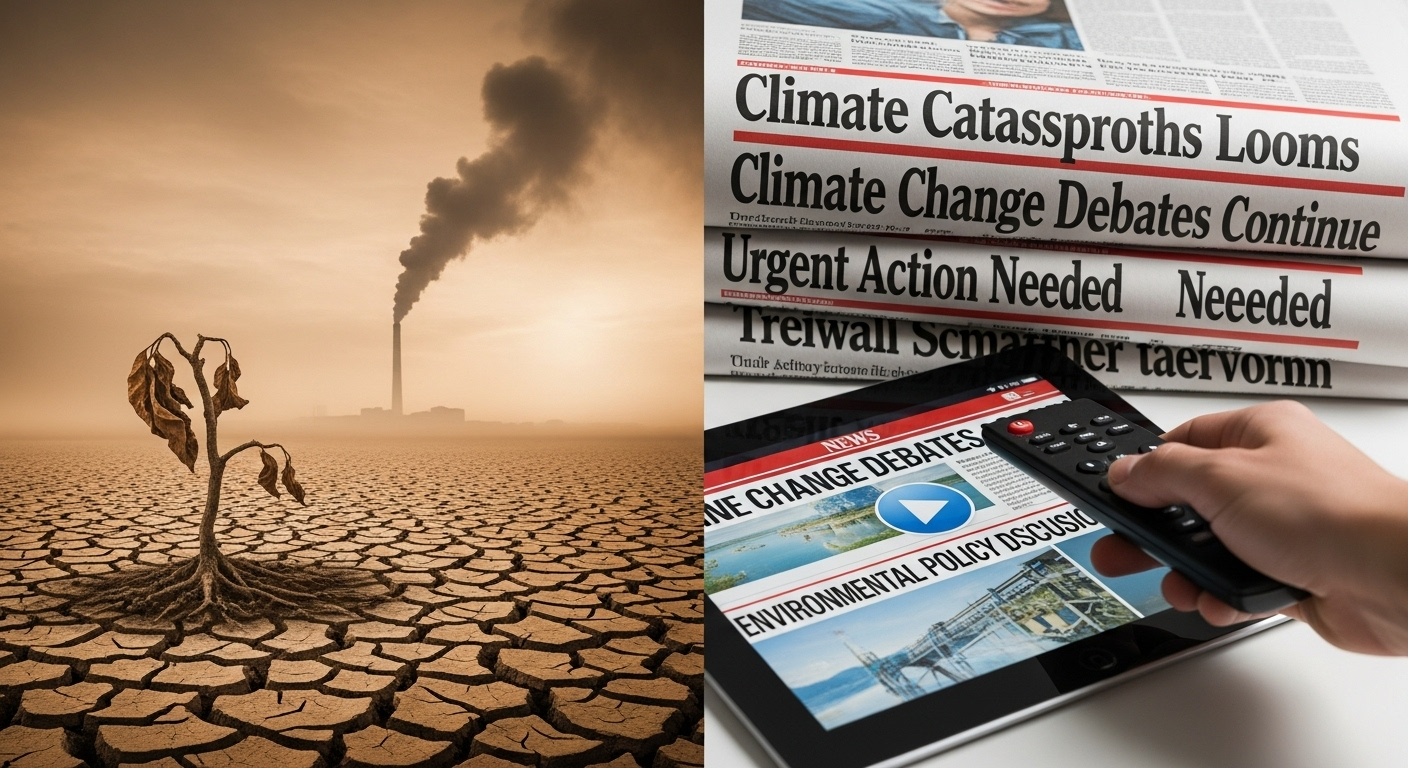
Okay, let’s talk about something that keeps me up at night, and probably you too: the climate crisis. And not just the crisis itself, which, let’s be honest, is terrifying. But how it’s… covered. Or, sometimes, not covered. Or, worse, covered in a way that’s so sanitized, so… polite, that it utterly fails to convey the sheer, screaming urgency of the situation.
I’ve got to admit, this part fascinates me. You see headlines talking about “rising sea levels” and “extreme weather events,” as if they’re just another news item, right next to celebrity gossip and the latest sports scores. It feels… wrong, doesn’t it? Like reporting on a house fire by mentioning the slightly elevated room temperature. We need a different approach. The language needs to match the emergency. It’s about more than just facts; it’s about capturing the feeling of impending doom – the one we should all be feeling, frankly.
The Volume Problem: Is Climate Change Just Background Noise?
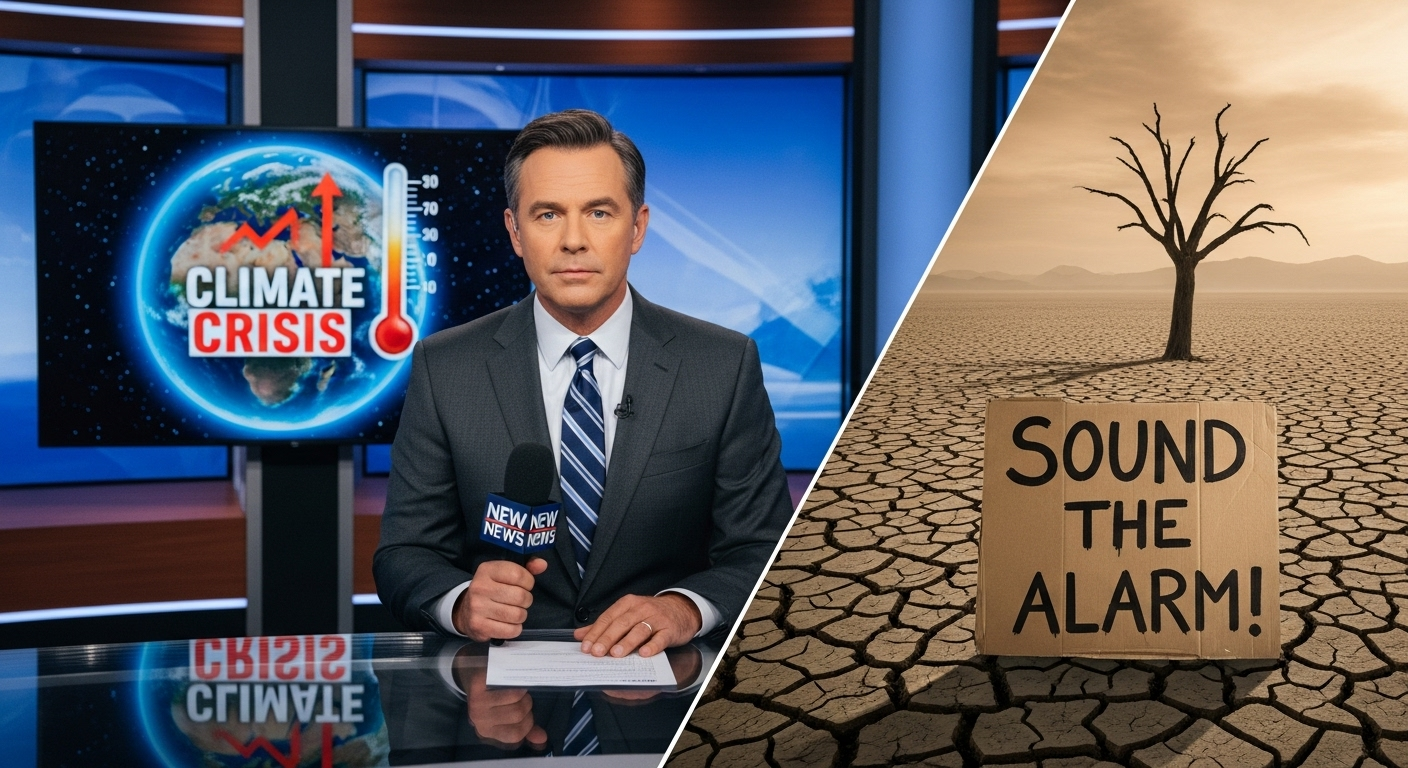
Here’s the thing: I’m not saying news outlets are ignoring climate change completely. They’re not. There are articles, reports, and even the occasional documentary. But… is it enough? Does it cut through the noise? Think about it this way: how many times have you scrolled past a climate-related headline without even registering it? I know I have, and I write about this stuff!
And that’s the problem, isn’t it? It’s become background noise. We’re bombarded with so much information every day that even genuinely critical issues can fade into the background. News outlets have a responsibility, I think, to find ways to make the climate crisis unignorable. To make it something that demands our attention, that disrupts our complacency. But how?
Well, that’s the million-dollar question, isn’t it? I don’t have all the answers, obviously. But I think it starts with a willingness to be… bolder. More direct. Less afraid of sounding alarmist. Because, let’s face it, the situation is alarming! We need to wake people up. We need to shake them out of their apathy. And that requires a level of urgency and commitment that I’m not sure we’re seeing consistently.
Beyond Doom and Gloom: Finding Hope (and Reporting On It)
Now, I’m not advocating for constant doom and gloom. Nobody wants to read a never-ending stream of depressing news. That’s a recipe for burnout, not action. But – and this is a big but – there’s a difference between being realistic and being… disingenuous. Sugarcoating the climate crisis is not helpful. It’s actively harmful.
But, actually, that’s not quite right either. There’s so much innovation, so many incredible projects happening around the world. You know, people developing new technologies, communities coming together to build resilience, policymakers (sometimes!) taking meaningful action. These stories are crucial. Gaming platforms could be an interesting ally to highlight these success stories.
Because hope is essential. We need to see that solutions are possible, that progress is being made. But we also need to be honest about the scale of the challenge. It’s a delicate balance, I know. And I think news outlets, or at least the good ones, are trying to strike it. But there’s always room for improvement. Remember how the IPCC reports talk about the urgency but also include possible avenues out of the crisis?
Humanizing the Climate Crisis: Stories, Not Just Statistics
I keep coming back to this point because it’s crucial: statistics, while important, don’t tell the whole story. Numbers can be abstract, impersonal. They can fail to connect with us on an emotional level. And, frankly, emotions are what drive action. You can read all the reports about rising sea levels you want, but it’s not until you see a photo of a flooded village, or hear the story of a family displaced by a hurricane, that the reality of climate change truly hits home.
News outlets need to do more of this. They need to humanize the climate crisis. They need to tell the stories of the people who are already being affected by it – the farmers struggling to grow crops in drought-stricken regions, the fishermen whose livelihoods are threatened by overfishing and ocean acidification, the communities forced to relocate because of rising sea levels. These are the stories that will resonate with readers, that will inspire empathy and action.
I initially thought the problem was a simple lack of coverage. But after looking deeper, I think it’s about how the coverage is framed, the language that’s used, and the stories that are (or aren’t) being told. It’s about connecting with people on an emotional level, about making them understand that the climate crisis isn’t just some abstract threat, it’s a real and present danger that affects all of us.
FAQ: Decoding Climate Crisis Coverage
Why does climate change coverage sometimes feel so… detached?
That’s a great question! Part of it, I think, is the desire to be objective. News outlets want to present the facts without sounding biased or alarmist. But sometimes, that objectivity can come across as detachment. It’s like they’re afraid to express any emotion, even when the situation clearly warrants it. Also, science writing can be intimidating. Explaining complex environmental processes to a lay audience is no small feat. News writers often take a “safe” approach that doesn’t always convey the gravity of the situation.
How do I know if a news outlet is taking the climate crisis seriously?
Look for consistent coverage. Are they just reporting on climate change when there’s a major disaster, or are they covering it regularly? Also, pay attention to the language they use. Are they using terms like “climate crisis” or “climate emergency,” or are they sticking to more neutral terms like “climate change”? The former suggests a greater sense of urgency. Furthermore, check if they are reporting also on initiatives like the EU Green Deal or the US Inflation Reduction Act. Finally, and crucially, are they reporting on local initiatives as well? A focus on large international policy debates isn’t sufficient to address a global problem with local impact.
Is it wrong to feel overwhelmed by all the bad news about the climate?
Absolutely not! It’s perfectly normal to feel overwhelmed, anxious, or even depressed by the constant stream of negative news about the climate. That’s why it’s so important to find ways to cope with those feelings. Maybe limit your exposure to the news, focus on what you can do to make a difference, or connect with others who share your concerns. There are also mental health professionals specializing in climate anxiety.
Climate Crisis Coverage: Are News Outlets Doing Enough to Sound the Alarm? What if they’re being too alarmist?
It’s a valid concern. There’s a fine line between sounding the alarm and being sensationalist. The best news outlets, in my opinion, are those that present the facts in a clear and accurate way, without exaggerating or downplaying the risks. They also offer solutions and inspire hope, without resorting to empty platitudes. Look for reporting that’s grounded in science, but also humanized with personal stories.
Ultimately, I think the question of whether news outlets are doing enough is a matter of perspective. Some will say they’re doing too much, others will say they’re not doing enough. But one thing is clear: the climate crisis is the defining issue of our time, and it demands our attention. We need news outlets that are willing to sound the alarm, to tell the stories that need to be told, and to inspire us to take action before it’s too late. It’s a big ask, but nothing less than the future of our planet depends on it. And hey, at least they’re not reporting everything about climate change with computer generated images.