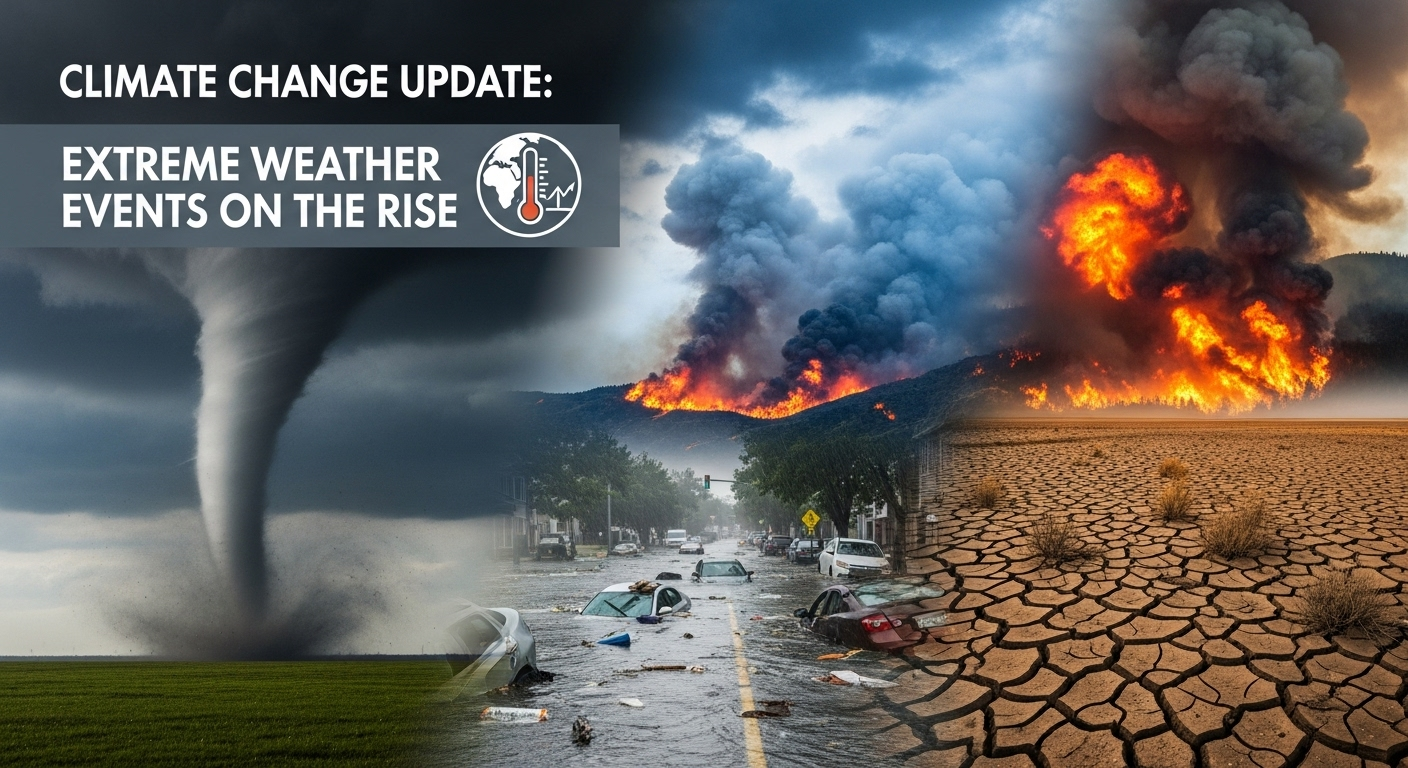
Okay, so, climate change. We’ve all heard about it, right? But sometimes, I think we get so bogged down in the scientific reports and the political debates that we kind of lose sight of what’s actually happening. Like, on the ground. Or, you know, in the sky, if you’re talking about a hurricane. Which, let’s face it, we increasingly are.
Extreme weather events. It sounds almost… theatrical, doesn’t it? Like something out of a disaster movie. But the frustrating thing is, it’s not a movie. It’s real life. And it’s happening more and more. And it’s directly linked to our rapidly changing climate. NOAA has a whole section on this, and it’s honestly a little terrifying. I remember when “100-year flood” was a thing you’d only hear about… well, every 100 years. Now? Seems like we’re getting them every other Tuesday. (Okay, slight exaggeration. But only slight.)
Is Climate Change Really to Blame for More Extreme Weather?
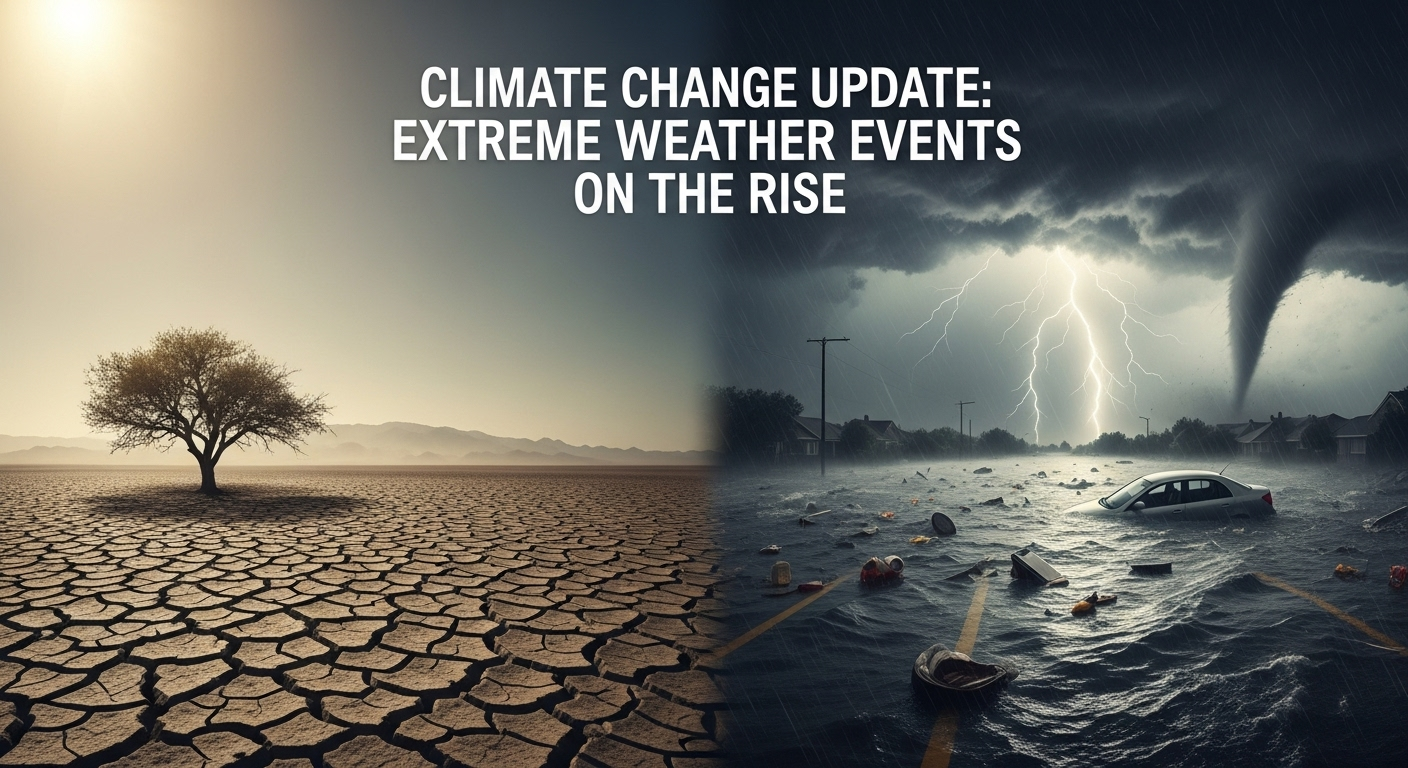
The short answer is yes. The slightly longer answer is… it’s complicated. But mostly yes. See, climate change doesn’t directly cause, say, a hurricane. But what it does do is make them stronger, wetter, and generally more destructive. Think of it like this: climate change is like steroids for extreme weather. And if you need a ride, check out this review.
Warmer ocean temperatures fuel hurricanes, giving them more energy to become supercharged storms. A warmer atmosphere can hold more moisture, which leads to heavier rainfall and more intense flooding. And melting ice sheets? Well, that contributes to sea-level rise, which makes coastal communities even more vulnerable to storm surges.
But, and this is a big but, it’s not just about hurricanes. We’re also seeing more heatwaves, droughts, wildfires, and even extreme cold snaps (yes, paradoxically, climate change can contribute to both heatwaves and cold snaps!). Basically, any kind of weather that’s outside the normal range is becoming more frequent and more intense. Which leads us to our next section…
The Rising Costs of Extreme Weather
You might be wondering, “Okay, so the weather’s getting a little wonkier. Big deal, right?” Well, here’s the thing: it is a big deal. A really big deal. Because extreme weather events aren’t just inconveniences. They have a real, tangible cost – both in terms of dollars and cents, and in terms of human lives.
Think about the economic impact of a major hurricane. We’re talking billions of dollars in damages. Homes destroyed, businesses shuttered, infrastructure crippled. And that’s just one storm. Then you have the costs associated with droughts, wildfires, and other extreme weather events. Crop failures, water shortages, increased insurance premiums… the list goes on and on. Let me try to explain this more clearly with an example. The increase in extreme heat waves can lead to significant healthcare costs as hospitals treat more cases of heatstroke and other heat-related illnesses.
And then there’s the human cost. People losing their homes, their livelihoods, and even their lives. The stress, the trauma, the displacement… these are things that can have a lasting impact on individuals and communities. So, yeah, it’s a big deal. And it’s something we need to take seriously. Here is another read for you: VW e-up a loyal electric companion.
What Can We Do About It?
Okay, I know this is all pretty depressing. But here’s the good news: it’s not too late to do something about it. We can still mitigate the worst effects of climate change and build more resilient communities.
The first and most obvious thing is to reduce our greenhouse gas emissions. That means transitioning to renewable energy sources, improving energy efficiency, and reducing our reliance on fossil fuels. I know, I know, you’ve heard it all before. But it’s true. And it’s crucial.
But it’s not just about individual actions. We also need to demand action from our leaders. We need policies that support clean energy, promote sustainable development, and hold polluters accountable. We need to invest in infrastructure that can withstand the impacts of extreme weather. And we need to support communities that are already being affected by climate change.
Actually, that’s not quite right. It is about individual actions too. Collective action requires individuals to act. The power of the individual to set an example, to make changes to their consumption, to vote with their wallet – it’s immense.
This is something that fascinates me: the idea that small actions, multiplied by millions of people, can have a huge impact. Think about it this way: if everyone in your town switched to energy-efficient light bulbs, how much energy would that save? If everyone started composting their food waste, how much would that reduce landfill waste? Small things add up.
FAQ: Climate Change and Extreme Weather
Why do some people still deny climate change when the evidence is so clear?
This is a tricky one, and there’s no single answer. A lot of it comes down to misinformation and the spread of false narratives. Some people are genuinely skeptical of the science, while others may have vested interests in maintaining the status quo (think fossil fuel companies, for example). And then there’s the simple fact that climate change can be a scary and overwhelming topic, so some people may prefer to just deny it’s happening rather than confront the reality. It’s a complex mix of factors, to be honest.
How do I know if an extreme weather event is directly caused by climate change?
It’s almost impossible to say definitively that any single extreme weather event is solely caused by climate change. But scientists can use attribution studies to determine whether climate change made a particular event more likely or more severe. These studies look at things like temperature, rainfall, and sea levels to assess the role that climate change played. The key is looking at trends over time. One unusually hot summer? Maybe just bad luck. A decade of record-breaking heatwaves? That’s a different story.
What can I do personally to reduce my impact on the climate and prevent further extreme weather?
Glad you asked! There are tons of things you can do. Reduce your energy consumption by using energy-efficient appliances, switching to renewable energy sources, and conserving water. Reduce your carbon footprint by driving less, flying less, and eating less meat. Support businesses and organizations that are committed to sustainability. And talk to your friends, family, and elected officials about climate change. Every little bit helps. Also, consider playing online games on sites like Poki to pass time instead of activities that will impact the environment.
Is there any hope for the future, or are we doomed to a future of constant extreme weather?
Look, I’m not going to sugarcoat it: the situation is serious. But I genuinely believe that we can still turn things around. The technology exists to transition to a clean energy economy. The solutions are there. What we need now is the political will and the collective action to make it happen. It won’t be easy, and there will be challenges along the way. But if we work together, I believe we can create a more sustainable and resilient future for ourselves and for generations to come. Don’t lose hope. Stay engaged. Keep fighting for change.