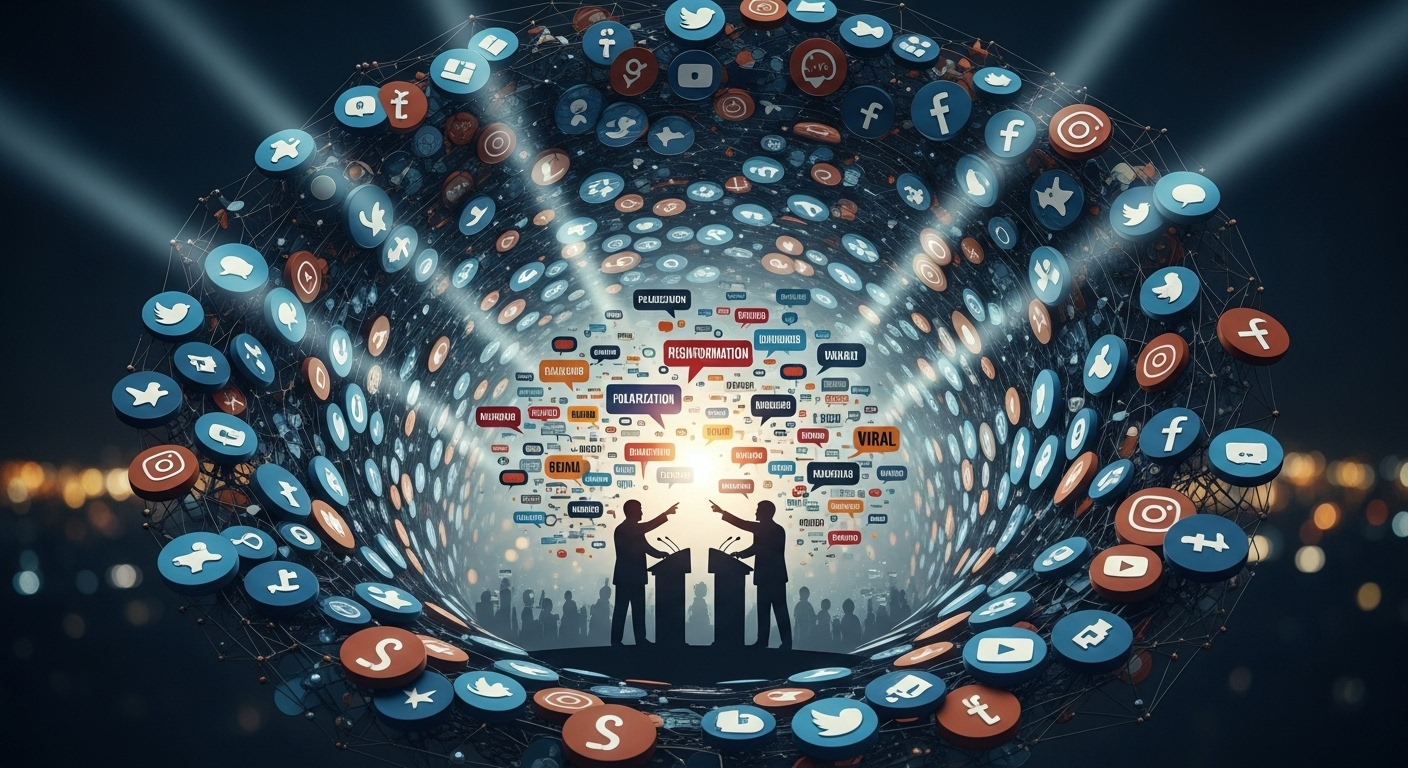
Okay, let’s be real. The 2024 election is already shaping up to be… something. And amidst the usual political shenanigans, there’s this looming presence of AI, quietly (or not so quietly) changing the game. I mean, it feels like just yesterday we were debating social media’s influence, and now we’re staring down the barrel of AI-generated content that could make or break a campaign. It’s wild.
But here’s the thing: I initially thought AI was just going to be about deepfakes and disinformation, right? Scary stuff, no doubt. But after digging a little deeper (and maybe having one too many cups of coffee), I realized it’s way more nuanced than that. We’re talking about AI influencing everything from campaign strategy to voter targeting, and even the very narratives that shape public opinion. It’s enough to make you want to unplug from the internet and move to a cabin in the woods.
The AI-Powered Campaign Trail
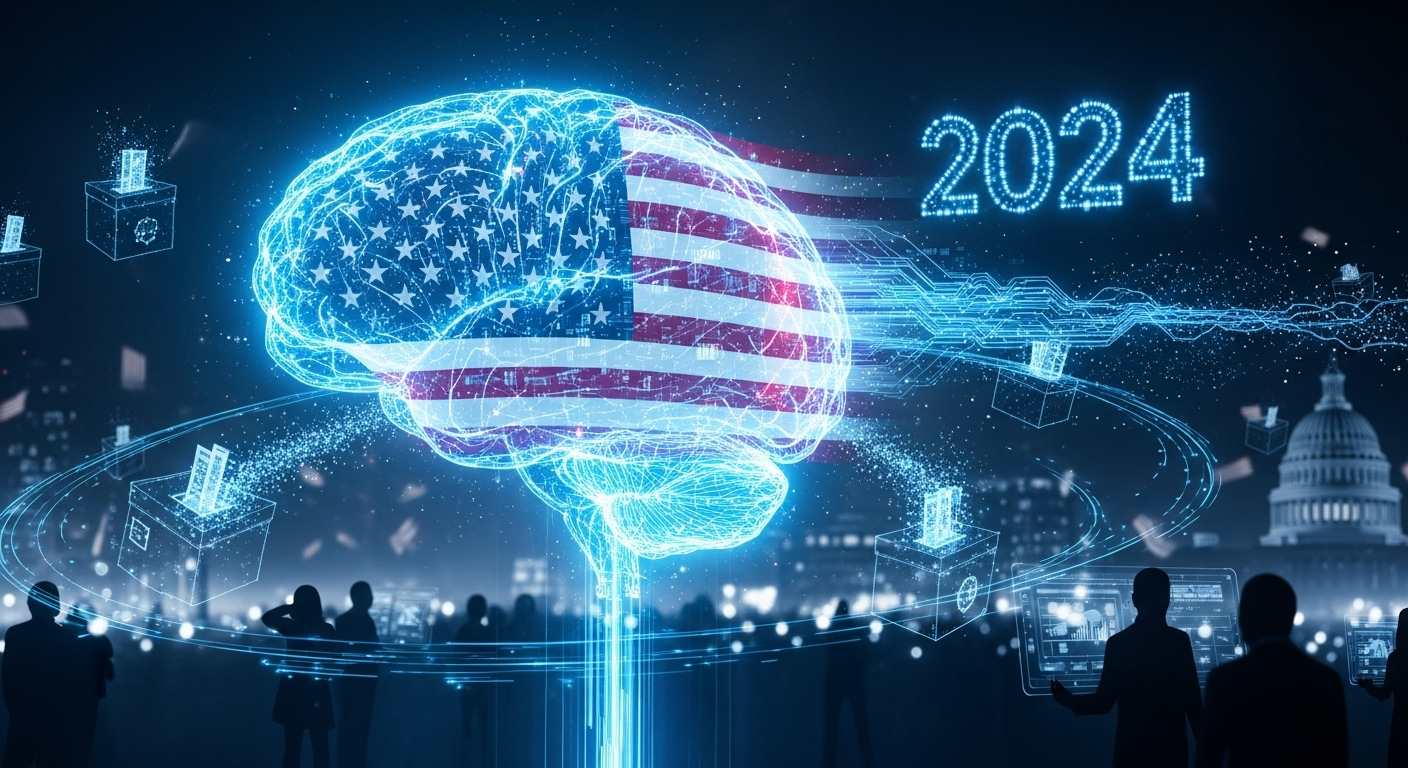
Think about it this way: Campaigns are data-driven beasts. They’re constantly crunching numbers, analyzing demographics, and trying to figure out exactly which message will resonate with which voter. And that’s where AI comes in. AI algorithms can sift through massive datasets – voter records, social media activity, news articles – far faster and more efficiently than any human ever could. This allows campaigns to hyper-target voters with personalized messages.
But, and this is a big but, this hyper-targeting also raises some serious ethical questions. Are we comfortable with campaigns using AI to micro-target voters with messages designed to exploit their fears or biases? I’m not so sure. And what about transparency? How do we know what data is being used, and how those algorithms are making their decisions? These are questions we desperately need to be asking, you know?
Deepfakes and the Disinformation Deluge
Okay, so let’s talk about the really scary stuff: deepfakes. We’ve all seen the videos – often hilariously bad ones – that purport to show politicians saying or doing things they never actually did. But the technology is getting better all the time. And the prospect of sophisticated, realistic deepfakes flooding the internet during the 2024 election is, frankly, terrifying. Imagine a convincing deepfake video of a candidate making a controversial statement going viral just days before the election. The damage could be irreparable.
The frustrating thing about this is that it’s so hard to combat. How do you quickly and effectively debunk a deepfake when it’s already spread like wildfire across social media? And even if you do debunk it, will people believe you? I keep coming back to this point because it’s crucial – the trust deficit that’s already plaguing our information ecosystem makes us even more vulnerable to this type of manipulation. There needs to be real investment in media literacy and effective debunking strategies.
Beyond the Bots: AI and Campaign Strategy
It’s not just about the flashy stuff like deepfakes, though. AI is also being used in more subtle ways to shape campaign strategy. AI can analyze public sentiment on social media to identify emerging issues and tailor messaging accordingly. It can also be used to predict voter turnout and identify potential swing voters. And, perhaps most concerning, AI-powered chatbots can engage with voters online, answering questions and spreading campaign propaganda (I mean, “information”).
Actually, that’s not quite right. It’s not just about campaign strategy. These things have a real effect. Because think about it this way: if AI is being used to identify and exploit our biases, to manipulate our emotions, to spread disinformation, then what does that mean for the integrity of our democracy? Can we really have a free and fair election when AI is being used to rig the game?
Navigating the AI Minefield: What Can We Do?
So, what can we do? Is there any way to navigate this AI minefield and protect the integrity of the 2024 election? Well, it’s not going to be easy. For starters, we need to raise awareness about the potential dangers of AI in elections. People need to understand how AI is being used and how it can be manipulated. We also need to demand greater transparency from campaigns about their use of AI. And, of course, we need to invest in media literacy education to help people critically evaluate the information they encounter online.
I’ve got to admit, this part fascinates me. This is a shared problem. We need collaboration between tech companies, policymakers, and civil society organizations to develop ethical guidelines and regulations for the use of AI in elections. This isn’t just about stopping the bad guys. It’s about creating a level playing field and ensuring that everyone has a fair shot. We also need to support independent journalism and fact-checking organizations that can hold politicians and campaigns accountable. And hey, maybe check out some games to unwind after absorbing all this info!
FAQ: AI’s Impact on the 2024 Election
How can I tell if information about the election is AI-generated?
That’s the million-dollar question, isn’t it? It’s getting harder and harder to distinguish between real and AI-generated content. Look for inconsistencies, unnatural phrasing, or a lack of verifiable sources. Cross-reference information with reputable news outlets and fact-checking organizations. And if something seems too good (or too outrageous) to be true, it probably is. Trust your gut!
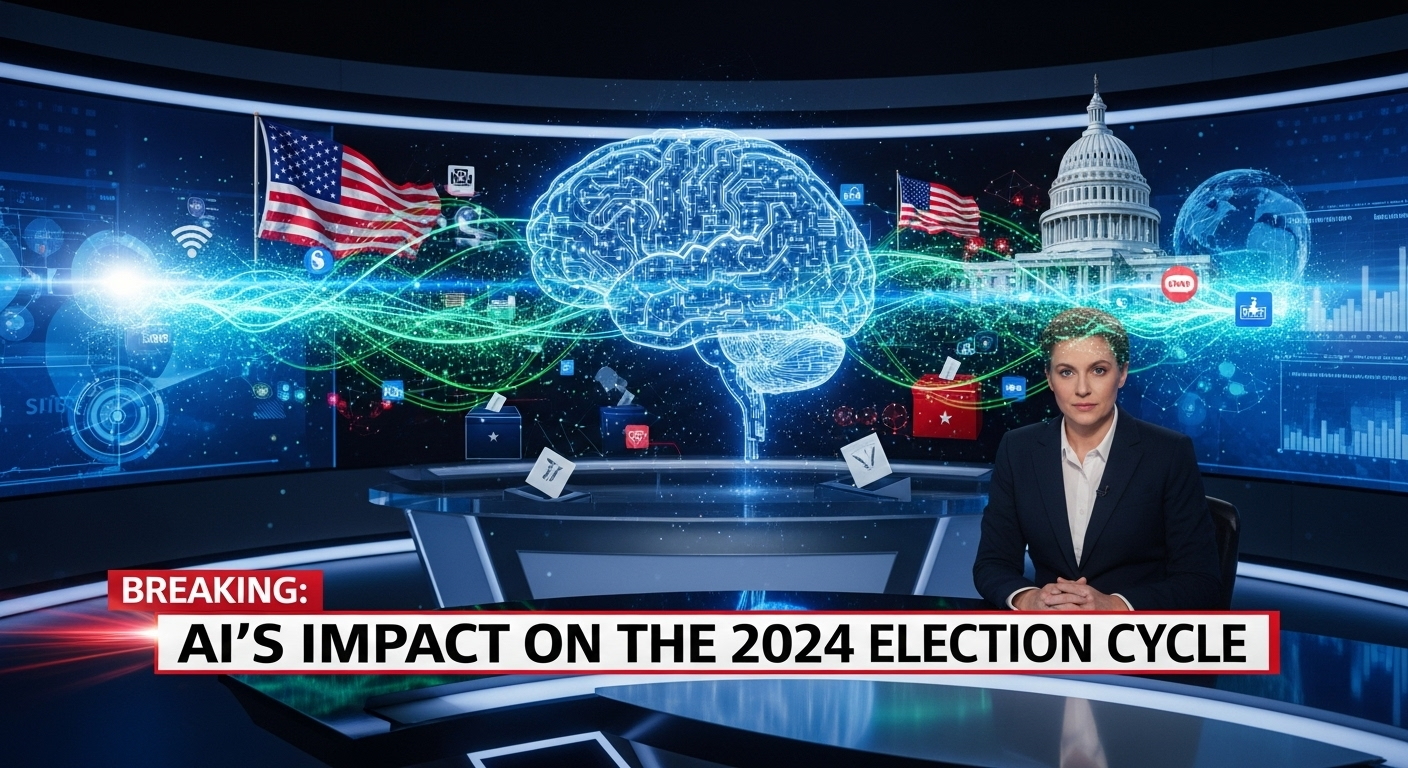
Why should I even care about Breaking: AI’s Impact on the 2024 Election Cycle?
Because AI has the potential to fundamentally alter the way we conduct elections. It can be used to manipulate voters, spread disinformation, and undermine trust in the democratic process. If we don’t take these threats seriously, we risk eroding the very foundations of our democracy.
What are the biggest misconceptions about AI’s role in elections?
One of the biggest misconceptions is that AI is just about deepfakes. While deepfakes are certainly a concern, AI is also being used in more subtle ways to influence elections, such as through targeted advertising and personalized messaging. It’s important to understand the full range of ways that AI can be used to manipulate voters.
Is there anything I can do to combat AI-driven disinformation?
Absolutely! Be a critical consumer of information. Don’t just blindly believe everything you see online. Verify information with reputable sources before sharing it. Talk to your friends and family about the dangers of disinformation. And support organizations that are working to combat AI-driven manipulation.
Look, I’m not going to pretend that I have all the answers. This is a complex and rapidly evolving issue. But I do know that we can’t afford to ignore it. The future of our democracy may depend on it. So, let’s start talking, let’s start questioning, and let’s start demanding answers. Because the 2024 election is coming, whether we’re ready or not.