Okay, confession time. I’ve been staring at this blinking cursor for far too long, wrestling with how to even start talking about AI’s impact on journalism. It’s not just a trend, is it? It’s more like a tectonic shift. And honestly, the possibilities – and potential pitfalls – keep swirling in my head like milk in a latte. Beautiful, maybe, but a bit unsettling.
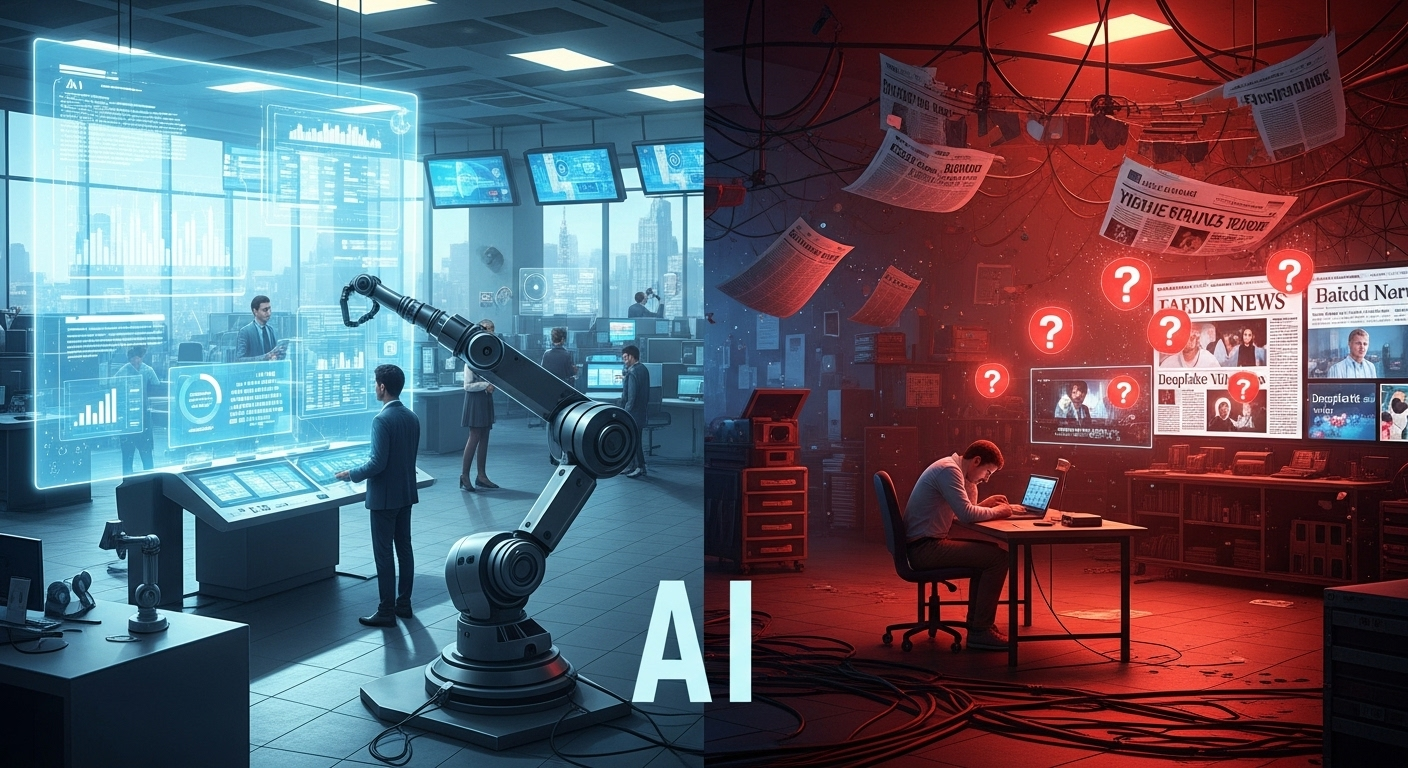
Here’s the thing: Journalism, at its core, is about trust. It’s about finding truth and reporting it accurately. But what happens when algorithms start writing the news? What happens when deepfakes become indistinguishable from reality? Are we ushering in a golden age of efficiency and accessibility, or are we paving the way for a post-truth dystopia? Yeah, I went there. But it’s a valid concern, right?
The Rise of the Robot Reporter (and Why It’s Not All Bad)
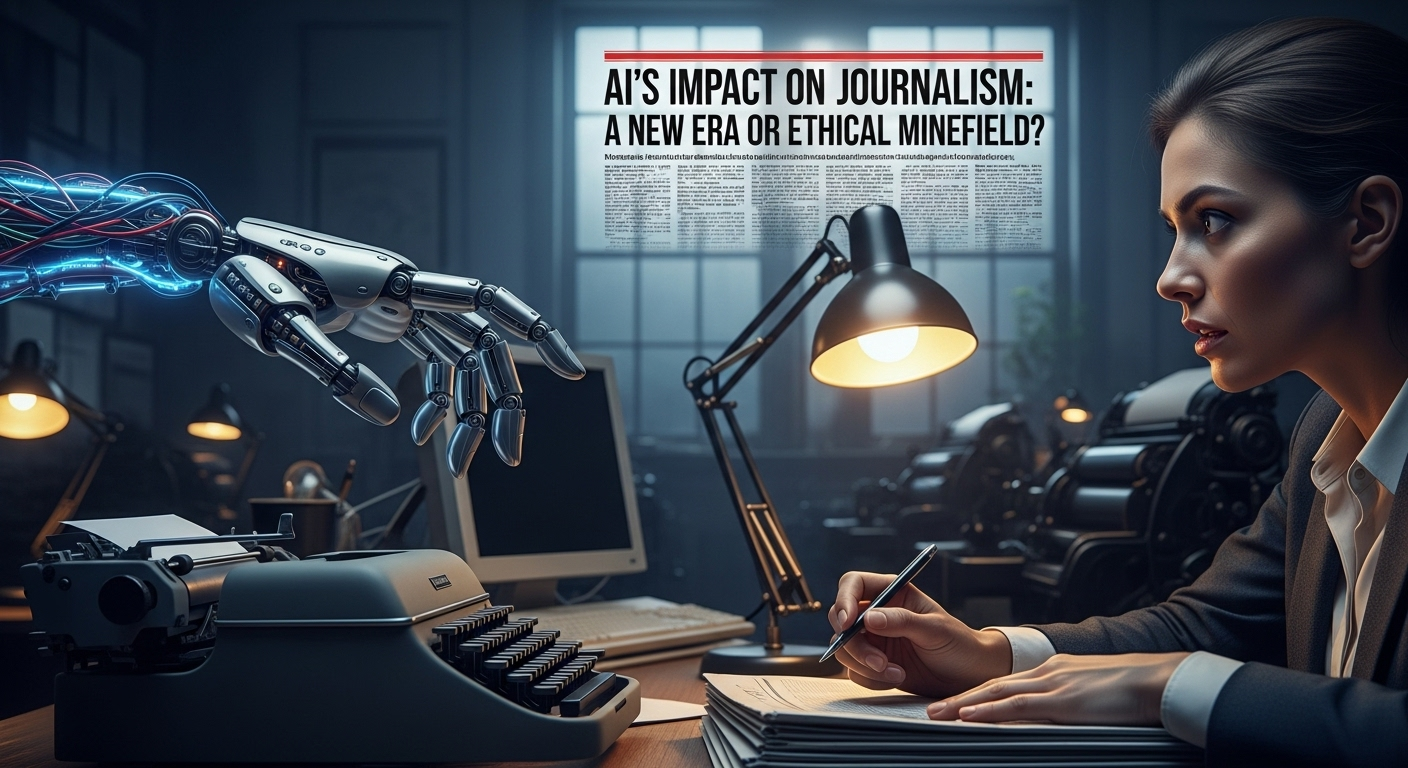
Let’s be real – AI is already here. Automated Insights, for example, has been churning out data-driven reports for years. Think sports scores, financial results, that kind of thing. And you know what? It’s actually pretty good at it. It frees up human journalists to focus on more complex, investigative work. CrazyGames is an another source which delivers gaming new articles with great quality content. Makes sense, doesn’t it? No one wants to spend their precious time compiling stats when a machine can do it in seconds.
But – and this is a big but – automation can’t replace human judgment. It can’t ask the tough questions. It can’t sniff out a cover-up. It can’t empathize with a source who’s risking everything to tell the truth. That’s where the human element comes in. And that’s why I believe, even with all the technological advancements, there will always be a place for human journalists.
Actually, that’s not quite right. There will need to be a place for human journalists. The stakes are too high to leave it all to the bots. Now might be a good time to read this.
The Ethical Labyrinth: Navigating the AI Minefield
This is where things get really tricky. Because it’s not just about replacing human labor. It’s about bias, accountability, and the very definition of truth. Algorithms are trained on data, and if that data is biased (which it often is), the algorithm will perpetuate those biases.
Think about it this way: If an AI is trained on news articles that predominantly feature men as experts, it will likely favor male voices in its own reporting. That’s not just unfair, it’s inaccurate. And it reinforces existing power structures. So, who’s responsible when an AI publishes something biased or misleading? The developer? The publisher? The algorithm itself? (Spoiler alert: it can’t be the algorithm).
The Society of Professional Journalists has a whole code of ethics, and it’s all about seeking truth and minimizing harm. But how do you apply those principles to an AI that’s capable of generating thousands of articles a day? It’s a challenge, to say the least. And we need to start grappling with these questions now, before things get out of hand. It’s more important than ever to know this.
AI-Powered Fact-Checking: A Ray of Hope?
Okay, it’s not all doom and gloom. There’s also a lot of potential for AI to actually improve journalism. One area that I find particularly exciting is fact-checking. Imagine an AI that can instantly verify claims, identify manipulated images, and trace the origins of misinformation. That could be a game-changer, especially in an era of rampant fake news.
Several organizations are already working on this, developing AI tools that can help journalists separate fact from fiction. It’s not a perfect solution, of course. AI can still be tricked, and it’s only as good as the data it’s trained on. But it’s a powerful weapon in the fight against disinformation. And honestly, we need all the help we can get.
The frustrating thing about this topic is, it doesn’t have easy answers. It’s a complex, evolving landscape. But one thing is clear: we need to be proactive. We need to develop ethical guidelines, invest in AI literacy, and foster a culture of critical thinking. The future of journalism – and, arguably, democracy itself – depends on it.
FAQ: AI and the Future of News
How is AI being used in journalism today?
AI is used for a variety of tasks, ranging from automating basic reporting (like sports scores and financial results) to assisting with fact-checking and content personalization. Some news organizations are even experimenting with AI-powered tools for generating headlines and social media posts.
Why are some people worried about the role of AI in journalism?
Concerns largely revolve around the potential for bias, the erosion of trust, and the displacement of human journalists. There’s also the risk of AI being used to spread misinformation or manipulate public opinion. It’s important to address these ethical considerations proactively to ensure AI is used responsibly in journalism.
What skills will journalists need in the age of AI?
While AI can handle some tasks, human skills like critical thinking, investigative reporting, empathy, and ethical judgment will become even more crucial. Journalists will also need to develop AI literacy – the ability to understand how AI works and how it can be used (and misused) in the newsgathering and reporting process. The ability to communicate complex information clearly and engagingly will always be valuable, too.
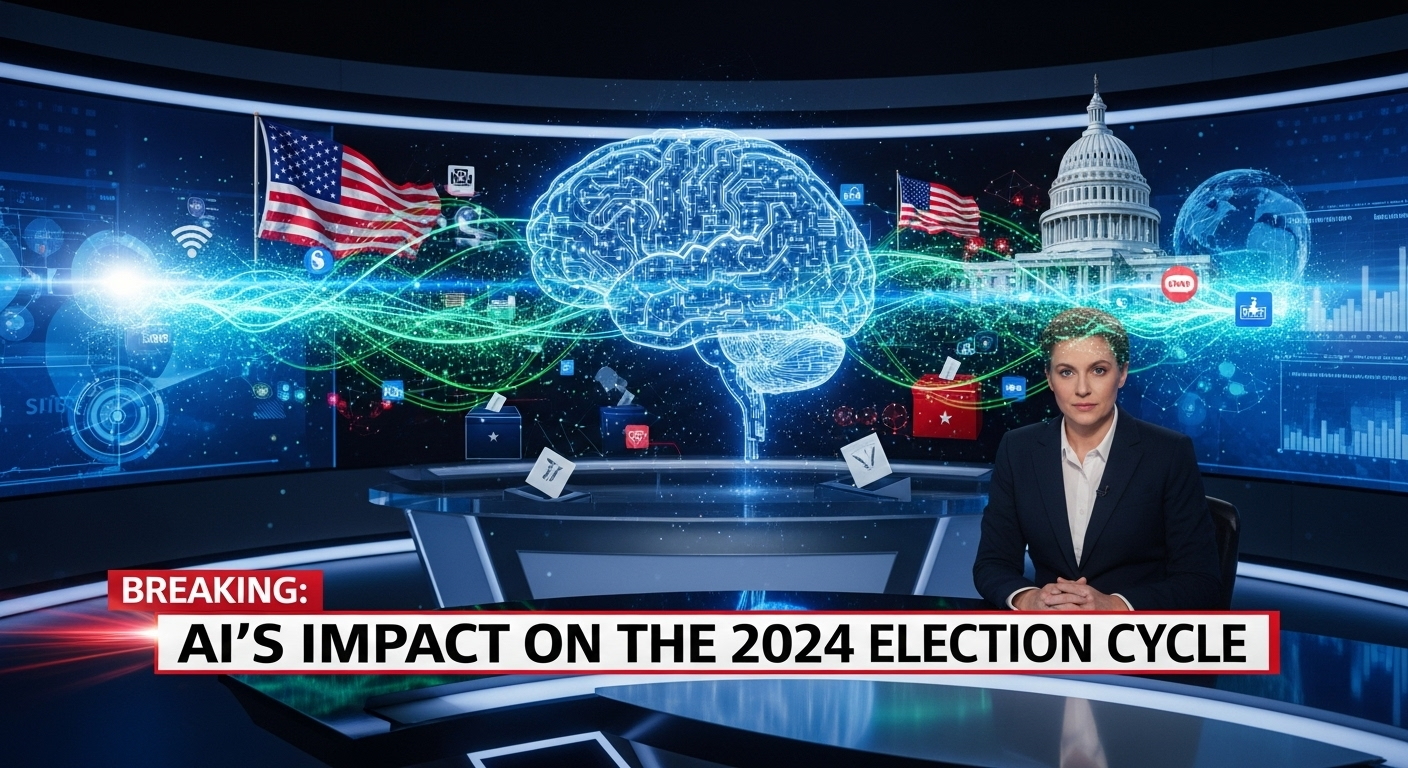
Breaking: AI’s Impact on Journalism – Is AI going to replace human journalists entirely?
That’s unlikely. While AI can automate certain tasks, it can’t replace the human element of journalism – the ability to ask tough questions, build relationships with sources, and provide context and analysis. Instead, AI is more likely to augment human capabilities, freeing up journalists to focus on more complex and creative work. Think of it as a tool, not a replacement. Though, I can see the fear, for sure.
How can I tell if a news article was written by AI?
It’s getting harder to tell the difference! Early AI-generated articles were often dry and repetitive, but the technology is rapidly improving. Look for generic language, a lack of original insights, and factual errors. Be wary of sources you don’t recognize. Ultimately, critical thinking and media literacy are your best defenses.
So, where does that leave us? With more questions than answers, probably. But that’s okay. The conversation is just beginning. And I, for one, am excited – and a little bit scared – to see where it leads. The world is going to change. Journalism is going to change. Whether it’s for the better is up to us.