Okay, let’s be honest – geopolitical tensions? Sounds like something only academics and politicians get excited about. But here’s the thing: it affects everything. From the price of your morning coffee to the security of your data, these tensions are the undercurrent shaping our world. And lately? The undercurrent has become a raging rapid. I’m not a doom-sayer, but ignoring it is like whistling past a graveyard.
You might be wondering, “Why should I care about some squabble thousands of miles away?” Good question! Think of it like this: the world is more interconnected than ever. A hiccup in one region can send shockwaves globally. We saw it with the pandemic, we’re seeing it with energy prices, and it’s certainly rearing its head in trade and technology. No one is truly isolated anymore. Want to keep up? This is something you have to do.
The Shifting Sands of Power

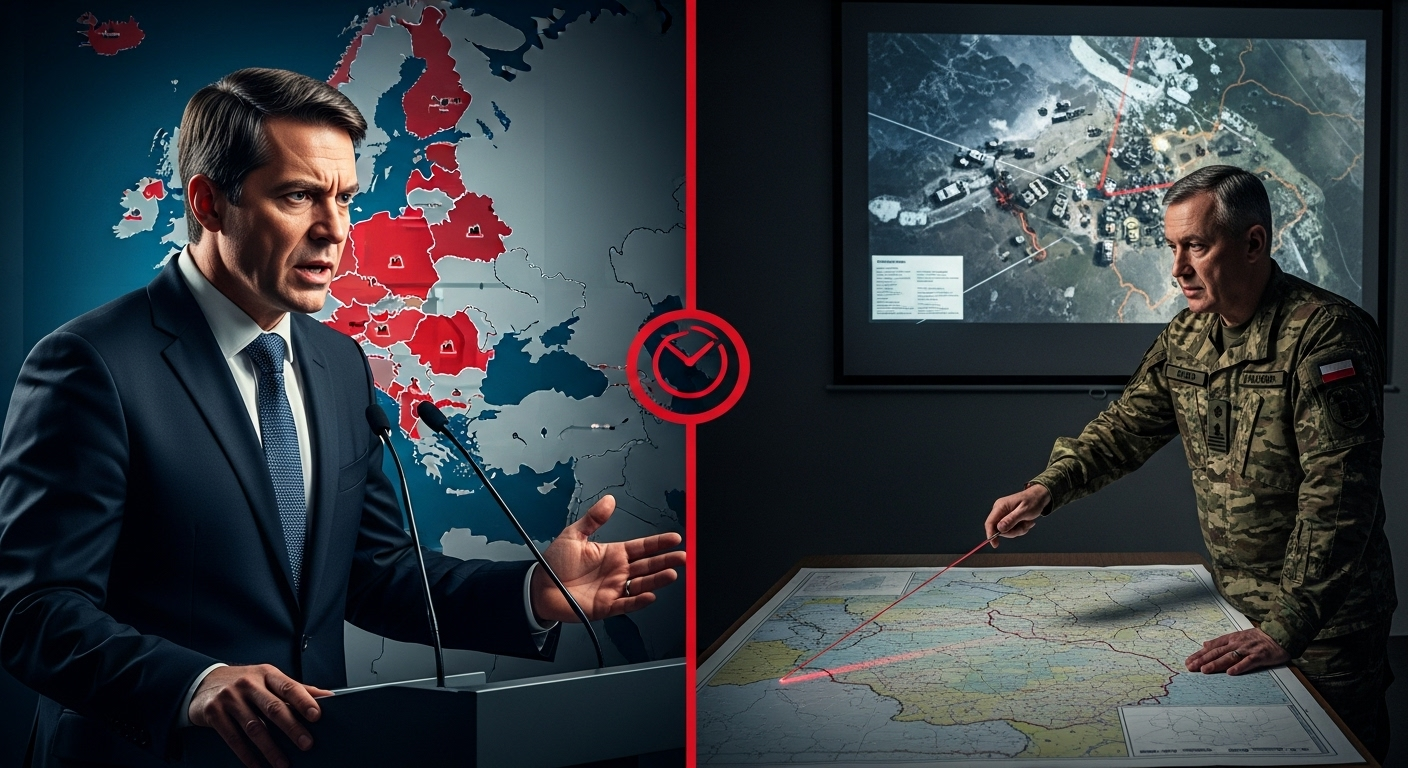
It’s no secret that the global power dynamic is… well, dynamic. For decades, the US has been the undisputed heavyweight. But China’s rapid economic growth and increasing military might are challenging that dominance. Russia, too, is flexing its muscles in ways we haven’t seen in a long time. Throw in regional players like Iran, Turkey, and India, and you’ve got a complex web of competing interests.
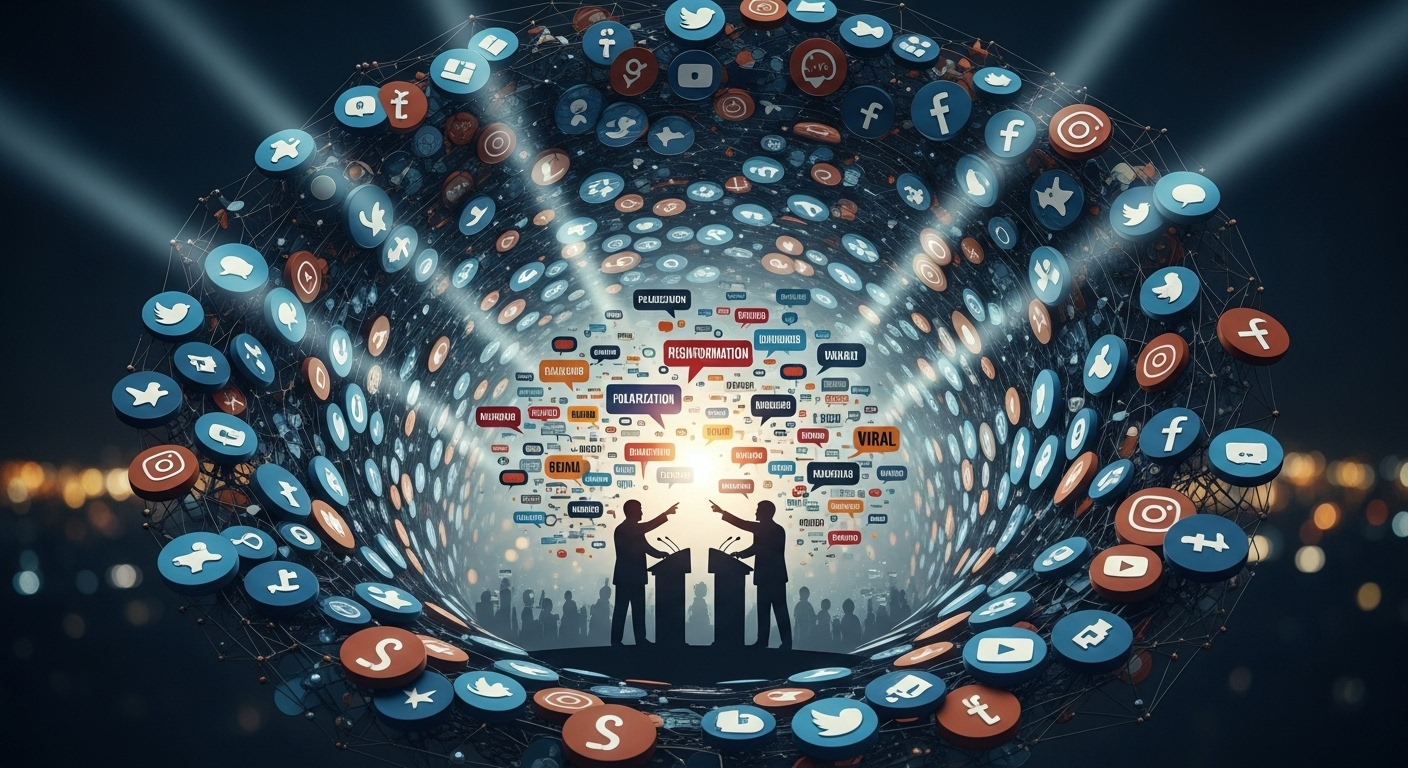
And it’s not just about military might, either. The battleground has expanded to include economics, technology, and even information. Cyber warfare, trade wars, and disinformation campaigns are all part of the arsenal. It’s a multi-faceted contest, and the stakes are incredibly high.
I remember reading an article – I think it was in Foreign Affairs – that described the current situation as a “multipolar world order.” Basically, it means that power is distributed among several major players rather than concentrated in one. Sounds fancy, right? The thing about this is that that article really got me thinking about the balance of power.
Economic Interdependence vs. National Security
Here’s where things get really interesting – and potentially dangerous. On the one hand, we have unprecedented economic interdependence. Countries rely on each other for trade, investment, and resources. Disrupting these relationships can have devastating consequences. But on the other hand, national security concerns are driving countries to decouple, or at least reduce their dependence on rivals. For example, many Western countries are trying to diversify their supply chains to reduce their reliance on China. This drive for self-sufficiency is understandable, but it could also lead to greater fragmentation and conflict.
The tricky part is finding the right balance. How do you protect your national security without undermining global economic stability? How do you compete with rivals without resorting to outright hostility? These are the questions that policymakers are grappling with right now, and there are no easy answers. This is where things get very tense.
The Role of Technology in Escalating Tensions
I’ve got to admit, this part fascinates me. Technology is a double-edged sword. On the one hand, it can connect people and foster understanding. But it can also be used to spread propaganda, conduct cyberattacks, and develop new weapons systems. The rise of artificial intelligence is particularly concerning. Imagine autonomous weapons systems making life-or-death decisions without human intervention. That’s not science fiction anymore; it’s a very real possibility. And here’s the tricky part: how do you regulate these technologies without stifling innovation? It’s a real challenge, and one that requires international cooperation. If the global community does not come together, then a lot more problems are on the horizon. I mean, AI is coming for everything!
But wait, there’s something even more interesting here. The control of data is becoming a major geopolitical battleground. Countries are increasingly concerned about the security and privacy of their citizens’ data. This is leading to new regulations and restrictions on cross-border data flows. Some countries are even trying to create their own “digital sovereignty,” essentially building their own internet infrastructure that is separate from the global network.
Geopolitical Tensions Rise: A Look at the Latest Developments
I keep coming back to this point because it’s crucial: these tensions aren’t just abstract concepts. They have real-world consequences for ordinary people. We’re already seeing higher energy prices, supply chain disruptions, and increased cybersecurity threats. And if things continue to escalate, we could face even more serious challenges, like armed conflicts and economic collapse. Okay, that might sound a bit dramatic, but it’s important to be aware of the risks. Think about it this way: understanding the situation is the first step toward finding solutions.
And that’s the frustrating thing about this topic: there’s no easy fix. It requires a multi-faceted approach that includes diplomacy, economic cooperation, and technological innovation. But most importantly, it requires a willingness to understand different perspectives and find common ground. Not easy, but essential.
FAQ: Navigating the Geopolitical Maze
Why are geopolitical tensions rising now?
Several factors are converging: the shifting balance of power (with China’s rise), resource scarcity, technological disruptions, and increasing nationalism. It’s a perfect storm of challenges.
How do geopolitical tensions affect my investments?
Geopolitical instability can create market volatility. Events can lead to supply chain disruptions, currency fluctuations, and shifts in investor sentiment. Consult with a financial advisor to diversify your portfolio and manage risk.
How can I stay informed without getting overwhelmed?
Focus on reputable news sources that provide balanced coverage. Avoid sensationalism and misinformation. Seek out analysis from experts and think tanks. It’s okay to take breaks and disconnect when needed!
What role does climate change play in Geopolitical Tensions Rise: A Look at the Latest Developments?
Climate change acts as a “threat multiplier.” It exacerbates existing tensions over resources (water, arable land) and can lead to mass migrations and displacement, further destabilizing already fragile regions. Addressing climate change is not just an environmental imperative; it’s a security imperative. One that must be taken into account.
Is there anything ordinary citizens can do to help?
Absolutely! Stay informed, engage in constructive dialogue, support organizations working for peace and conflict resolution, and hold your elected officials accountable. Even small actions can make a difference.
What gaming platforms are most affected by these Geopolitical Tensions?
Given the global nature of gaming, platforms like Poki or Crazy Games are affected, though indirectly. Sanctions, restrictions on data flow, or geopolitical conflicts could affect platform accessibility or game availability in certain regions.
Ultimately, navigating this complex landscape requires critical thinking, empathy, and a willingness to engage in constructive dialogue. The world is changing rapidly, and staying informed is the best way to prepare for what’s ahead. That’s it for me! I’m going to get more coffee!