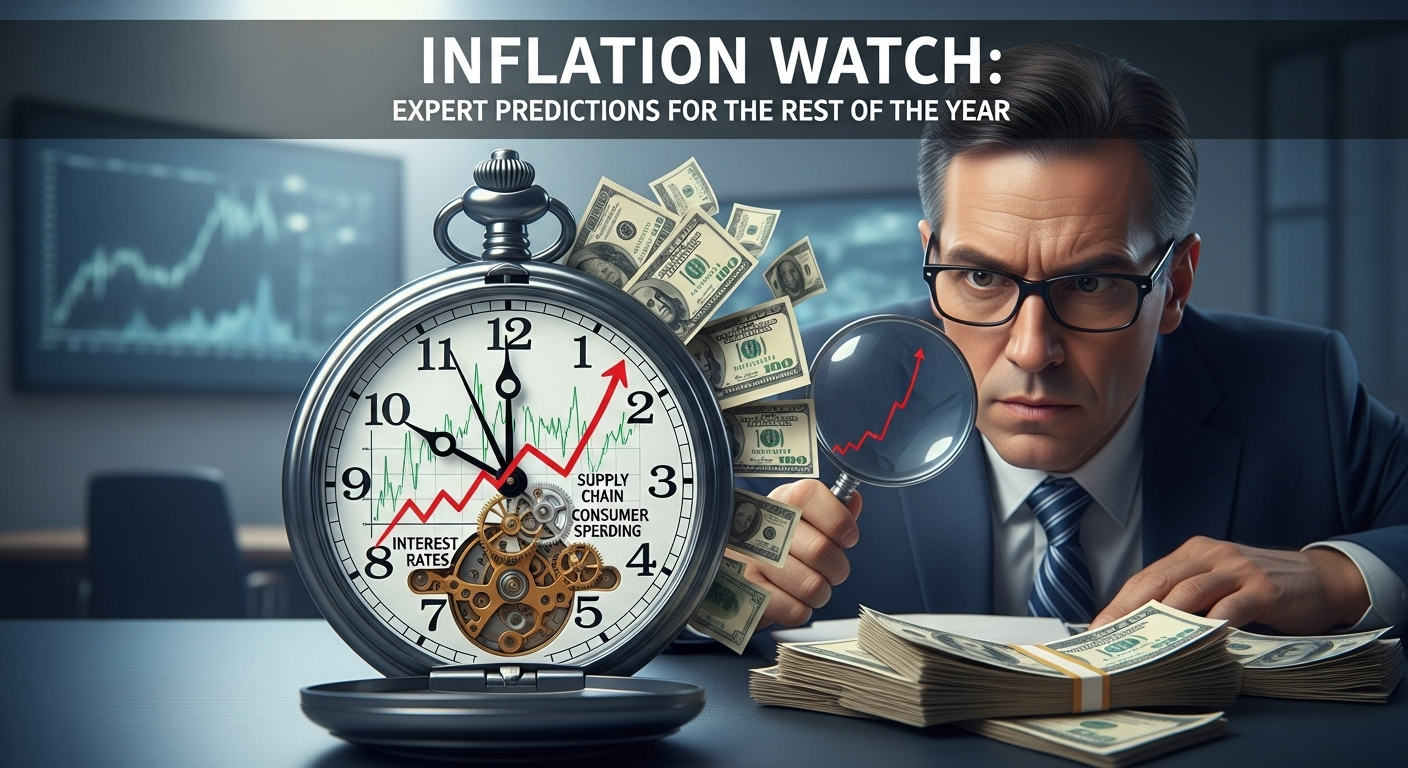
Okay, let’s talk about inflation. Not in a dry, economics-textbook kind of way. But in a real-world, what-does-this-mean-for-my-wallet kind of way. Because honestly, who isn’t thinking about it these days? Are groceries going to keep costing more? Will that vacation actually be affordable? It’s enough to make you want to hide under the covers, right? I initially felt that way. But diving into the expert predictions (the slightly more optimistic ones, anyway), I’ve actually found a bit of… well, not hope, exactly. More like cautious optimism.
The frustrating thing about inflation is how many moving parts there are. Interest rates, supply chains, geopolitical stuff that’s frankly beyond my (and probably your) immediate control. And everyone seems to have a different opinion on where things are headed. But let’s try to break it down.
Decoding the Crystal Ball: Economists Weigh In
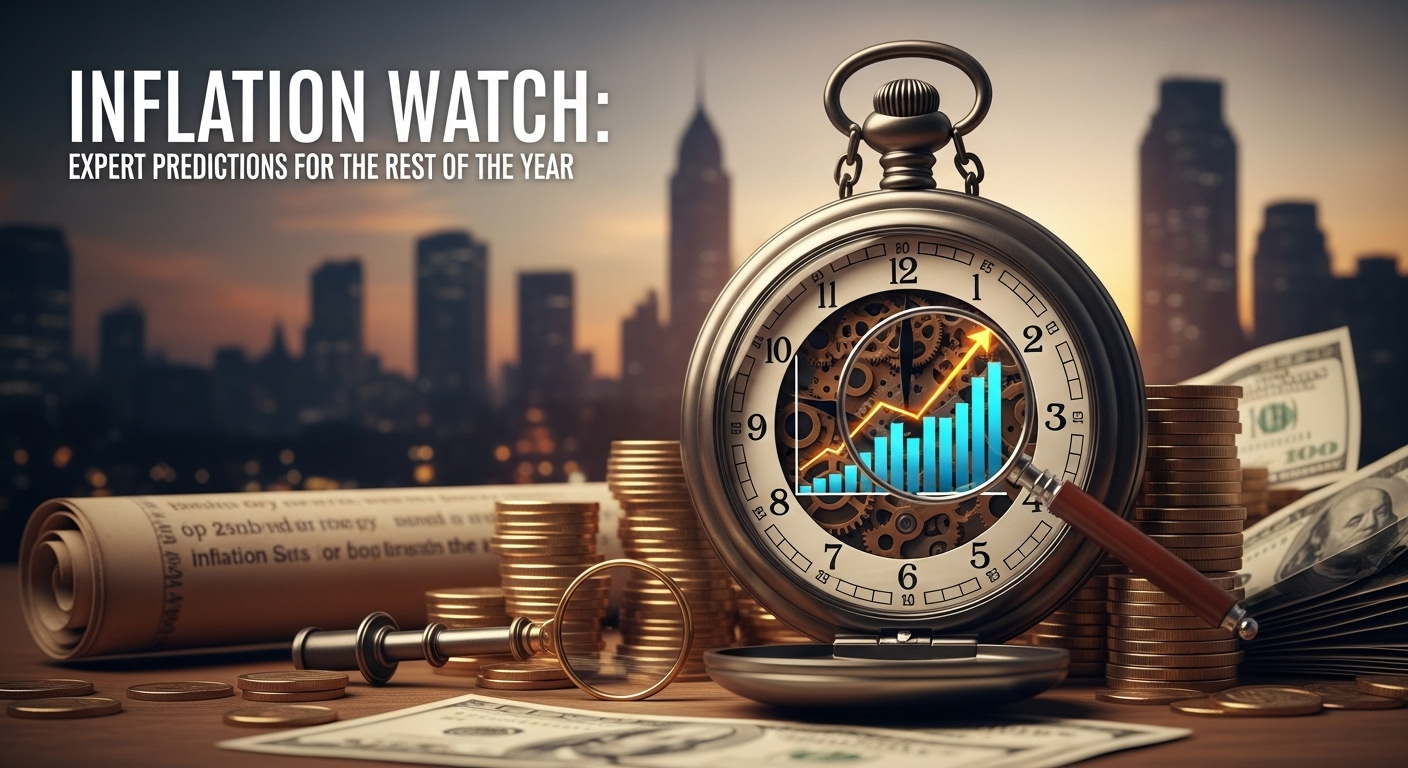
So, what are the experts saying? Well, the general consensus seems to be that inflation should cool down somewhat in the latter half of the year. But – and this is a big but – the pace of that cooling is the real question mark. Some economists are predicting a relatively swift return to more normal levels. Others are bracing for a more gradual decline, with the possibility of some stubborn pockets of price increases. I remember when the Fed started talking about “transitory” inflation. That was a fun time, wasn’t it? CrazyGames
Think of it like this: imagine you’re driving down a hill, and you tap the brakes. Will the car slow down quickly, or will it take a while to come to a complete stop? And are there any unexpected bumps in the road that could throw you off course? That’s kind of what we’re dealing with here.
One thing I’ve noticed is that a lot of the predictions hinge on what the Federal Reserve decides to do with interest rates. Raise them too aggressively, and we risk tipping the economy into a recession. But don’t raise them enough, and inflation could linger longer than we’d like. It’s a delicate balancing act, to say the least.
Factors Influencing the Inflation Trajectory
Okay, let’s dig into some of those “bumps in the road” I mentioned. Supply chain bottlenecks, while improved, are still a factor. And then there’s the ongoing situation in Ukraine, which is impacting energy prices and food supplies globally. And let’s not forget about wage growth. If wages keep rising rapidly, that could put upward pressure on prices, potentially leading to a wage-price spiral. I keep coming back to this point because it’s crucial, and it is something that no one seems to agree on what is going to happen with it.
But there’s another side to this. Some economists argue that productivity gains – driven by technological advancements and increased automation – could help offset some of those inflationary pressures. If businesses can produce more goods and services with the same amount of resources, that could help keep prices in check. This reminds me of this article I read last week about how innovation can impact climate change.
Managing Your Finances in an Uncertain Climate
So, what can you actually do about all of this? I mean, you can’t single-handedly control inflation. But you can take steps to protect your own finances. I have a friend who panicked and sold all her investments last year. Not a great move, in retrospect. Here’s the thing. Don’t act rashly.
Diversifying your investments is always a good idea. Consider investing in assets that tend to hold their value during inflationary periods, such as real estate or commodities. And don’t be afraid to shop around for better deals on things like insurance and utilities. Every little bit helps. You might also want to think about negotiating a raise at work (if you haven’t already). Just be prepared to make a strong case for why you deserve it.
And here’s another thought: Review your spending habits. Are there any areas where you can cut back? Maybe you don’t really need that daily latte or that subscription to yet another streaming service. I know, it hurts. But small sacrifices now could pay off in the long run.
The Housing Market and Inflation: A Closer Look
I’ve got to admit, this part fascinates me. The housing market is so closely tied to inflation. Rising interest rates have definitely cooled things down a bit, but housing prices are still elevated in many areas. Will they continue to decline? Or will they stabilize at some point?
Some experts believe that housing affordability will remain a challenge for quite some time, especially for first-time buyers. Others think that as inflation eases and interest rates stabilize, the housing market could gradually recover. I remember when mortgage rates were unbelievably low during the pandemic. Those days are long gone, aren’t they?
But the truth is, nobody really knows for sure. The housing market is influenced by so many factors – including demographics, migration patterns, and government policies. And it varies greatly from one region to another.
Thinking about housing also reminds me about needing to support local news sources. It can give a better idea of the true market near you.
Inflation Watch: Final Thoughts and Predictions
Ultimately, predicting the future is a fool’s errand. But by staying informed, being prepared, and making smart financial decisions, you can weather the storm. And who knows, maybe we’ll even be pleasantly surprised by how things turn out. Let me try to explain this more clearly. It’s hard for me to look ahead with optimism when the world is in a state of flux. It is important to know that a recession does not mean the end of the world, though.
FAQ: Your Burning Inflation Questions Answered
How do I know if my purchasing power is being eroded by inflation?
That’s a great question! A simple way is to track the prices of goods and services you regularly buy. If you’re spending significantly more on the same items compared to last year, your purchasing power is likely decreasing. Also, keep an eye on the Consumer Price Index (CPI), which measures changes in the average prices paid by urban consumers for a basket of consumer goods and services. The Bureau of Labor Statistics (BLS) provides detailed CPI data.
What’s the difference between inflation and deflation?
Think of inflation as the general increase in prices for goods and services over time. Deflation, on the other hand, is the opposite – a general decrease in prices. While deflation might sound good at first (cheaper stuff!), it can actually be harmful to the economy. It can lead to decreased consumer spending, as people delay purchases in anticipation of even lower prices, which in turn can lead to business slowdowns and job losses. So, a little bit of inflation is generally considered healthy for the economy, but too much can be a problem.
Is there anything I can do to inflation-proof my savings?
That’s the million-dollar question! While you can’t completely eliminate the impact of inflation on your savings, there are steps you can take to mitigate it. Consider investing in assets that tend to outpace inflation over the long term, such as stocks, real estate, or commodities. Also, explore options like Treasury Inflation-Protected Securities (TIPS), which are designed to protect your investment from inflation. Talking to a financial advisor can help you create a strategy that’s tailored to your specific needs and risk tolerance. And don’t forget to keep some cash on hand for emergencies, but try not to let it sit idle for too long.
Why are some experts so wrong about their Inflation Watch predictions?
Ah, the million-dollar question! Predicting the future, especially when it comes to complex economic phenomena like inflation, is notoriously difficult. There are so many factors at play, and unexpected events can throw even the most sophisticated models off course. Also, different experts may have different assumptions and perspectives, leading to varying predictions. It’s always a good idea to take expert predictions with a grain of salt and do your own research before making any major financial decisions.