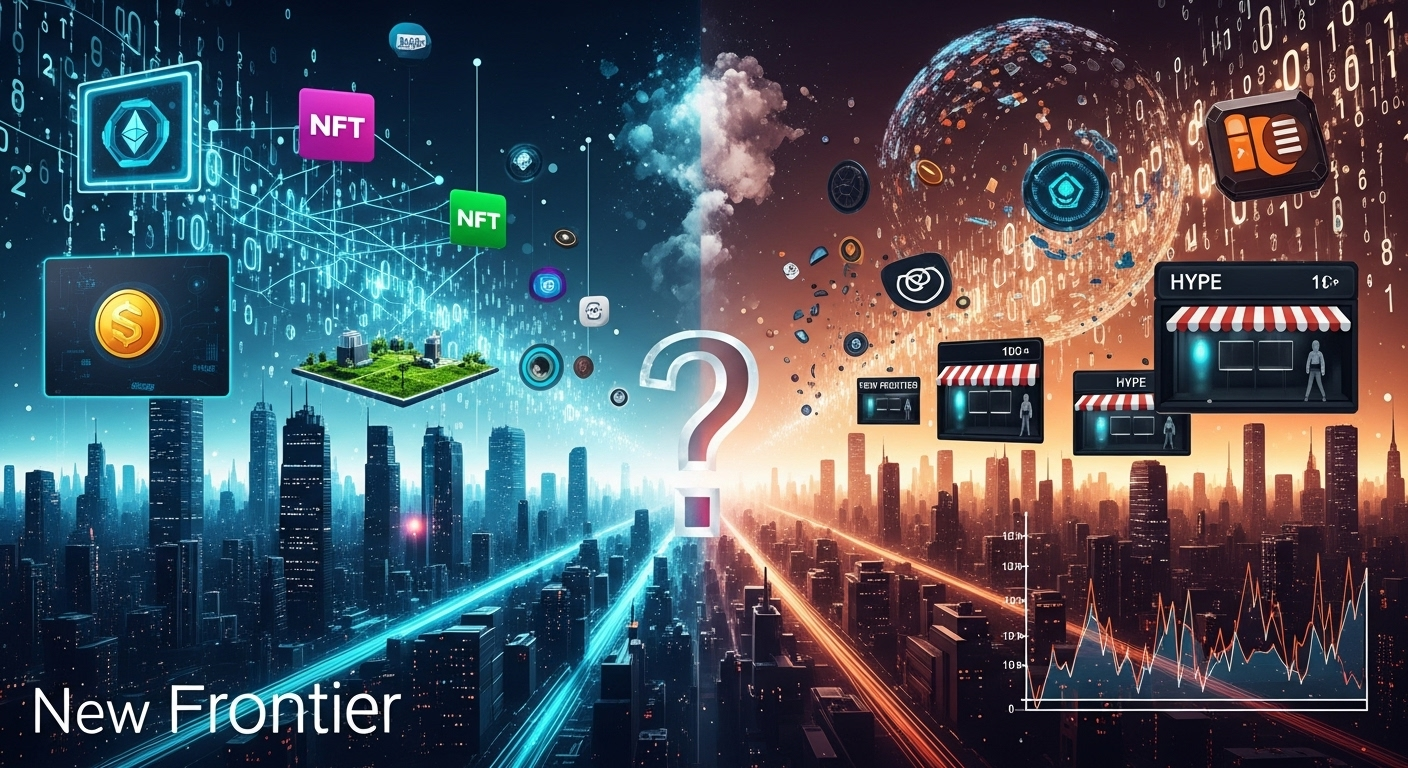
Okay, let’s be real. You’ve probably heard the term “metaverse” tossed around more times than you’ve had lukewarm cups of coffee at tech conferences. But what is it, really? And, more importantly, is this whole “metaverse economy” thing a game-changer or just another flash in the pan? I initially rolled my eyes, to be honest. Another buzzword making the rounds. But after diving deeper, I’ve got to admit, there’s something here. It’s messy, it’s evolving, and it’s definitely not fully formed yet, but dismissing it outright feels like missing the forest for the very pixelated trees.
Think about it this way: early days of the internet, right? Remember dial-up modems and Geocities websites? It was clunky, slow, and, let’s face it, pretty ugly. But underneath all that was the potential for something revolutionary. I think we’re in a similar spot with the metaverse now. We’re seeing the first, awkward iterations of what could be a massive shift in how we interact, work, and, yes, spend money.
What Exactly Is This Metaverse Economy Thing?
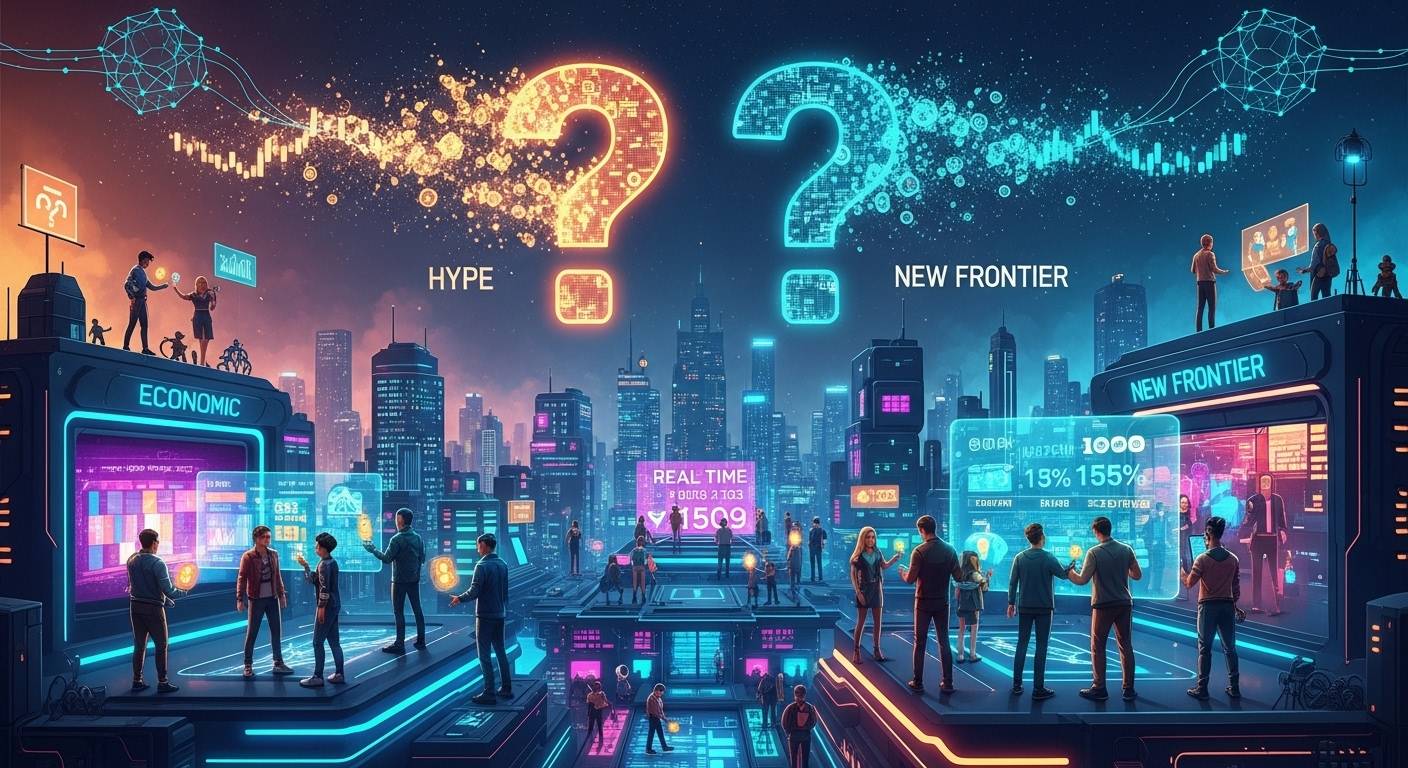
Alright, let’s try to unpack this. At its core, the metaverse economy refers to the emerging economic systems that are being built within these virtual, persistent worlds. We’re talking about buying, selling, trading, and creating value within these digital spaces. You might be wondering, “Isn’t that just gaming?” Well, yes and no. Gaming is a part of it, sure. Buying skins, virtual land, or in-game items? That’s metaverse economy 101. Check out games at Poki for example. But it goes way beyond that. Think about virtual real estate used for meetings and conferences, digital art galleries, or even virtual storefronts for physical products. It’s the blurring of the lines between the physical and digital worlds.
But here’s the thing, I keep coming back to this point because it’s crucial: it needs to be persistent. It can’t just be a game you play and then leave. There needs to be a continuous digital world that endures even when you log off. That’s where the potential for real economic activity comes in. Like, imagine a virtual architect designing a building in the metaverse, and that design then being used as a template for a real-world structure. Or a virtual musician gaining a following in a metaverse concert and then launching a real-world tour. It’s all connected. It’s early but it is all there.
The Metaverse Economy: Opportunities and Challenges
So, what are the upsides? Well, the potential for new business models is huge. Creators can monetize their work in entirely new ways. Think NFTs (Non-Fungible Tokens) that allow artists to sell digital art directly to collectors without intermediaries. Or decentralized autonomous organizations (DAOs) that allow communities to pool resources and invest in virtual projects. During my five years working with this technology, I’ve seen firsthand how quickly these concepts are evolving. This, of course, is linked to combating misinformation; something fact-checking initiatives are striving towards as these new concepts take hold.
The frustrating thing about this topic is: regulation. Or rather, the lack thereof. The metaverse is still a largely unregulated space, which creates opportunities for scams, fraud, and other illicit activities. Intellectual property rights are also a major concern. How do you protect your digital assets in a world where copying and distribution are so easy? And then there’s the whole issue of accessibility. Will the metaverse be a playground for the wealthy, or will it be accessible to everyone, regardless of their socioeconomic status? These are questions we need to be asking.
And let’s not forget the technical hurdles. We’re still dealing with issues like limited bandwidth, clunky hardware, and a lack of interoperability between different metaverse platforms. It’s all a bit… fragmented right now. You can find many challenges when comparing it to rugged and tangible spaces.
Is the Metaverse Economy Sustainable?
That’s the million-dollar question, isn’t it? Can the metaverse economy actually generate lasting value, or is it just a speculative bubble waiting to burst? I think the answer lies in creating experiences that are genuinely useful and engaging. It can’t just be about shiny graphics and empty promises. It needs to solve real problems, create real connections, and offer real value. Actually, that’s not quite right. It needs to do all those things and be fun. Because if it’s not fun, people won’t use it. Simple as that.
But, you know, I’m cautiously optimistic. I think we’re still in the very early stages of this whole thing. There are plenty of challenges ahead, but the potential is undeniable. The metaverse economy has the power to unlock new forms of creativity, foster new communities, and create new economic opportunities. It’s not going to happen overnight. And there will be plenty of bumps along the road. But I think it’s worth paying attention to.
FAQ: Navigating the Metaverse Economy
How do I know if a metaverse project is legitimate or a scam?
That’s a tough one, because, let’s face it, the metaverse is rife with potential scams. Do your research! Look into the team behind the project, their track record, and their long-term vision. Be wary of projects that promise unrealistic returns or that pressure you to invest quickly. Check if they have a whitepaper, a clear roadmap, and an active community. A red flag is a project that’s surrounded by a lot of hype but little substance. And remember, never invest more than you can afford to lose. Trust your gut. If something feels off, it probably is.
What skills do I need to participate in the metaverse economy?
The beauty of the metaverse economy is that it’s so diverse. There are opportunities for people with all sorts of skills. If you’re creative, you can design virtual assets, create content, or build immersive experiences. If you’re technically inclined, you can develop metaverse platforms, build blockchain applications, or manage virtual infrastructure. And if you’re good with people, you can manage virtual communities, provide customer support, or even become a virtual real estate agent. The key is to identify your strengths and find a niche that matches your interests.
Why is everyone talking about NFTs in relation to the metaverse economy?
NFTs (Non-Fungible Tokens) are kind of a big deal. They’re basically unique digital assets that are stored on a blockchain. This allows them to be bought, sold, and traded just like physical assets. In the metaverse economy, NFTs are used to represent everything from virtual land and digital art to in-game items and virtual collectibles. They provide a way to prove ownership of digital assets and create scarcity in a virtual world. They offer ways of showing true ownership of these things.
Is The Metaverse Economy: A New Frontier or Hype for everyday people?
That’s the thing, isn’t it? The hype is real. However, the underlying technology still needs a bit of love to truly be inclusive. For now it is a playground for tech enthusiastics and those who aren’t afraid to dip their toes in unknown waters. So, if you are one of them, come and join, if not, it’s a field to follow closely and wait for maturity and more clarity.