Okay, let’s be real. Climate change reporting? It can feel like drinking from a firehose of doom. Every day, a new study, a new disaster, another politician saying something… well, you know. It’s overwhelming. But here’s the thing that keeps me (relatively) sane: burying our heads in the sand isn’t an option. We need clear, accurate, and, dare I say, engaging coverage if we’re going to stand a chance.
Think about it. We’re bombarded with information, all day, every day. So how do you cut through the noise? How do you make people actually care about parts per million or the melting rate of the Greenland ice sheet? That’s the million-dollar question, isn’t it?
The Urgency Amplifier: Effective Communication
The media plays a pivotal role, obviously. But are they getting it right? Sometimes, I wonder. Are headlines all doom and gloom? Maybe that’s what sells, maybe that’s what gets clicks. But are those clicks translating into actual action? I’m not so sure. Fear can be paralyzing. And frankly, a lot of climate change coverage feels designed to elicit exactly that response: paralysis.
What we need is a shift. A move away from simply reporting the bad news (which, granted, there’s a lot of) towards highlighting solutions and showcasing the tangible impacts of climate change. Show me the farmer adapting to drought with innovative irrigation techniques. Let’s hear from the community building seawalls to protect their homes. Stories about real people, facing real challenges, and finding real solutions. That, I think, is how you get people invested. The EPA’s website has some great examples of this, actually. Just a thought.
But it’s not just about solutions. It’s also about making the science accessible. Explaining complex concepts in a way that doesn’t require a PhD in climatology. For example, instead of just saying “sea levels are rising,” show me what that means for my local beach. Or for Miami. Or for Bangladesh.
Impact Under the Microscope: Personalizing the Story
Here’s where things get personal. I remember visiting the Outer Banks of North Carolina a few years ago. Beautiful beaches, charming towns. But also, undeniable evidence of coastal erosion. Houses on stilts, slowly sinking into the sand. Businesses struggling to stay afloat as the ocean creeps closer. It wasn’t an abstract concept anymore; it was right there in front of me. These are stories worth telling, and amplifying. And local journalists do an incredible job covering them.
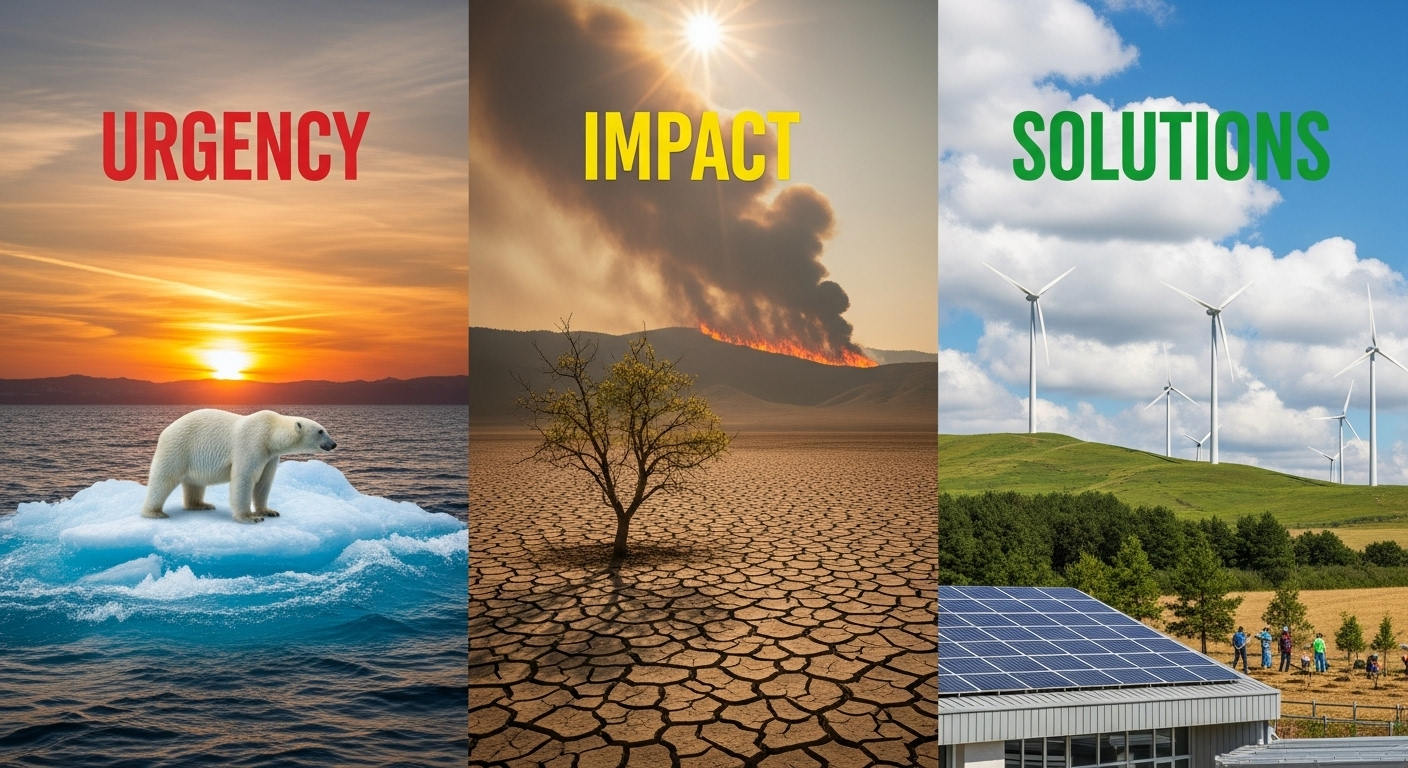
Climate change isn’t just about polar bears and melting glaciers (though those are important, too!). It’s about food security, public health, economic stability, and national security. It’s about everything, really. And the more we can connect those dots for people, the better.
And the tricky thing, is that climate change disproportionately affects vulnerable populations. Those with the fewest resources to adapt are often the hardest hit. Reporting on this inequality is crucial. It shines a light on the ethical dimensions of the climate crisis. Nobody wants to see the rich get richer while the poor get…flooded, or starved, or displaced. Do they?
Reporting the Solutions: From Policy to Personal Action
So, we’ve talked about the urgency and the impact. Now, let’s get to the good stuff: solutions. And here’s where I think climate change coverage often falls short. We hear a lot about the problems, but not enough about what we can do to fix them. I mean, think about it. We have the technology, and, hopefully, soon, the political will to solve the climate crisis. Solar power, wind energy, carbon capture, electric vehicles – the list goes on. But people need to know about these solutions. They need to see that a cleaner, more sustainable future is possible. Actually, that’s not quite right…it’s not just possible, it’s also better. Cleaner air, healthier communities, a more resilient economy. What’s not to love?
Of course, policy plays a huge role. Carbon taxes, renewable energy mandates, international agreements – these are all essential. But individual action matters, too. Reducing your carbon footprint, supporting sustainable businesses, advocating for climate-friendly policies. Every little bit helps. Also, don’t feel guilty about flying, or eating meat, or whatever thing you do that ‘isn’t green.’ It is not up to individuals to fix a system-level problem – however, individuals can make choices to make positive change and to live in alignment with their values!
But here’s the thing: solutions journalism needs to be rigorous. It can’t just be cheerleading for the latest green gadget. We need to critically examine the effectiveness of different solutions, to identify the potential trade-offs, and to hold companies and governments accountable for their promises. Basically, no greenwashing, okay?
Speaking of solutions…did you know that the automotive world is also moving towards sustainability? Check out this review of the Opel Corsa Hybrid.
FAQ: Climate Change Coverage and You
Why is climate change coverage so often negative?
Honestly, it’s a tough balance. Climate change is a serious threat, and reporting needs to reflect that urgency. However, constant negativity can lead to apathy and despair. It’s a tightrope walk between informing the public and overwhelming them. Plus, bad news often gets more clicks, sadly. It’s about finding the right mix of problems and solutions.
How can I tell if climate change coverage is biased?
Look for balanced reporting. Does the article present multiple perspectives? Does it acknowledge uncertainties? Is it based on scientific evidence? Be wary of sources that oversimplify the issue or promote a particular agenda. Check the author’s credentials and the publication’s reputation. And remember, no one source has all the answers. Critical thinking is your best tool.
What are the most important aspects of climate change coverage that I should pay attention to?
Pay attention to coverage that focuses on the underlying science, the potential impacts on your community, and the specific solutions being proposed. Look for stories that highlight the voices of those most affected by climate change. And be sure to seek out diverse sources of information. Don’t just rely on one news outlet.
How can climate change coverage affect political decisions?
Climate change coverage can shape public opinion, which in turn can influence political decisions. When people are informed and engaged, they’re more likely to demand action from their elected officials. Good coverage can hold politicians accountable for their promises and push them to adopt more ambitious climate policies. Of course, the opposite is also true. Misinformation and denial can undermine public support for climate action. So, it’s important to stay informed and engaged.
Is it too late to do anything about climate change?
Absolutely not! While the window of opportunity is narrowing, there’s still time to avoid the worst impacts of climate change. The key is to act quickly and decisively. The sooner we transition to a clean energy economy, the better our chances of creating a sustainable future. It’s not about preventing all the impacts. It’s about minimizing them, and adapting to the changes that are already underway. So, stay hopeful, stay engaged, and keep demanding action.
What if the information about climate change coverage is too hard for me to understand?
That’s perfectly reasonable. Some scientific reports are indeed hard to decipher. I also think a lot of climate change coverage is a bit…clinical. Check out articles in layman’s terms. Look for journalists who are great at breaking down big concepts and can make it digestible. It is okay to not know everything. If you are coming to the topic with curiosity, and a willingness to learn, then you’re already doing better than most of the population.
I can tell you from my own experience that there is something satisfying about understanding the science of climate change and feeling like you’re better able to engage with the world.