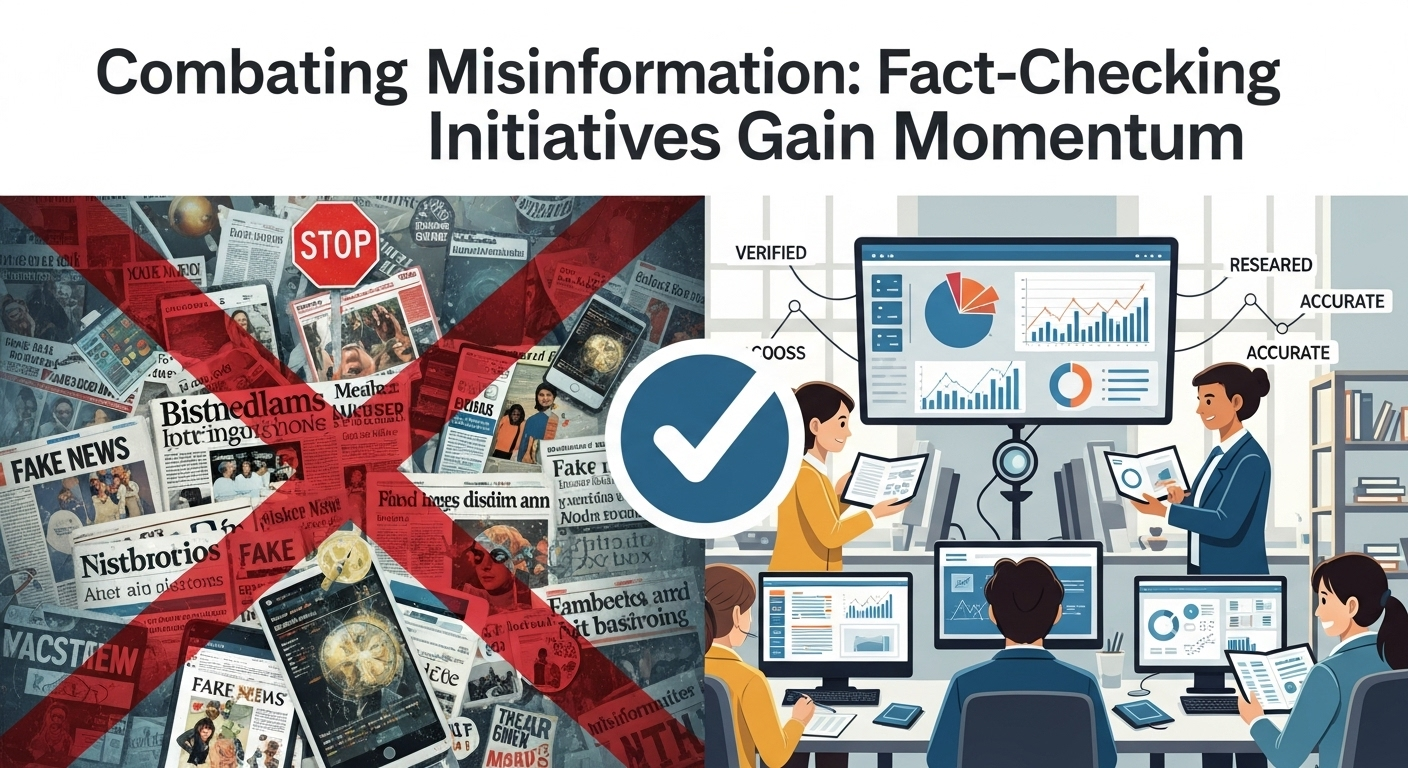
Okay, so misinformation. It’s like that persistent weed in your otherwise lovely digital garden, isn’t it? You try to pull it out, another one pops up somewhere else. And let’s be honest, the internet sometimes feels less like a vast library and more like a… well, a really convincing rumour mill. But here’s the thing: while the problem is massive (and sometimes feels insurmountable), there’s actually a whole lot of seriously interesting stuff happening in the world of fact-checking right now. Initiatives are popping up like mushrooms after a rainstorm, each trying to tackle the infodemic from a slightly different angle. It’s fascinating, really.
I initially thought fact-checking was all about debunking wild conspiracy theories. You know, the kind that involves lizard people or the Earth being flat. And, sure, that’s part of it. But the reality is far more nuanced. It’s about dissecting subtle manipulations of data, identifying biases in reporting, and ultimately, equipping people with the tools to think critically for themselves. It’s not just about saying “that’s wrong!” it’s about explaining why it’s wrong, and providing credible evidence to back it up. Think of it as digital detective work, but instead of solving murders, you’re slaying falsehoods. Which, in today’s world, might be even more important.
The Rise of Collaborative Fact-Checking
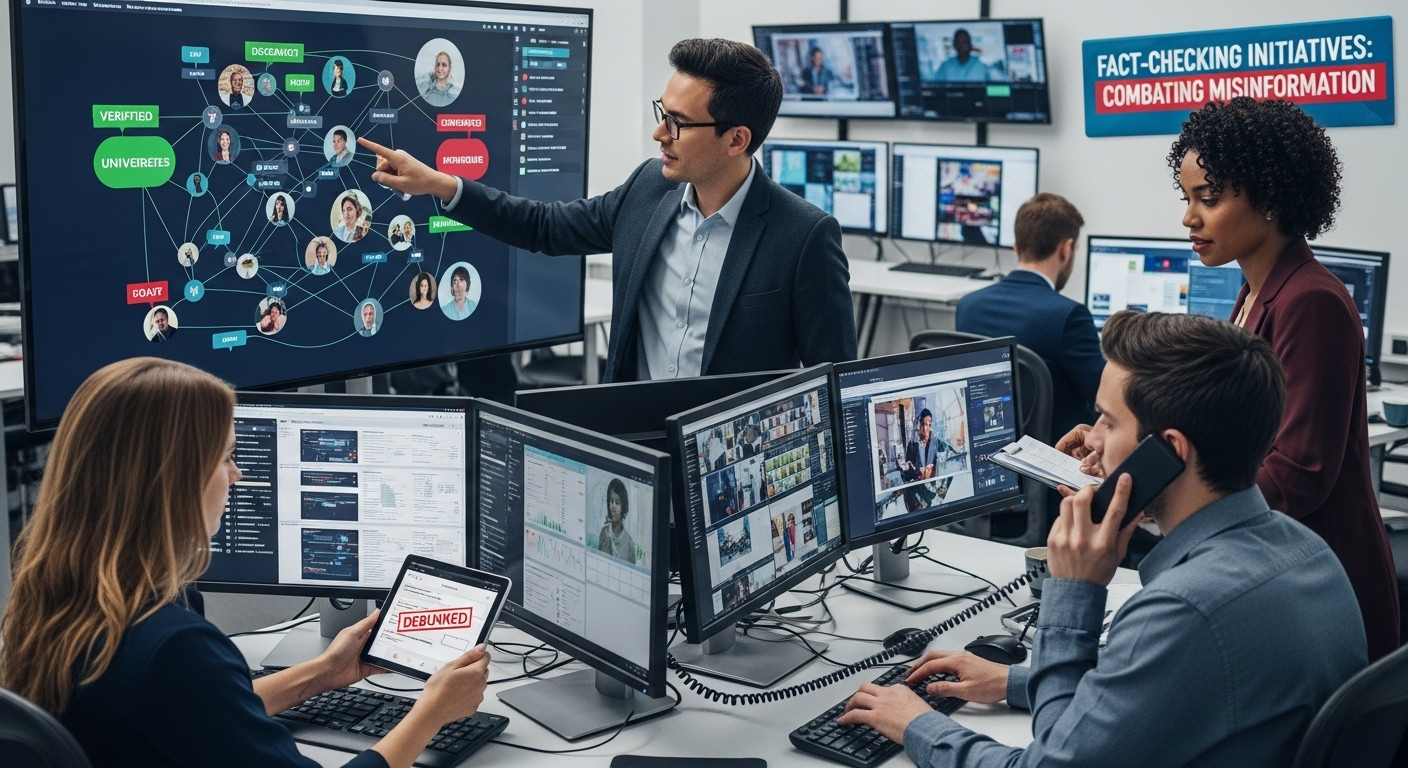
One trend I’ve been following with particular interest is the rise of collaborative fact-checking initiatives. These aren’t just top-down efforts from established news organizations (though those are important too). They’re often grassroots movements, bringing together experts from different fields, citizen journalists, and even (surprisingly) AI-powered tools to identify and debunk misinformation at scale. Think of it as a crowdsourced truth squad. For example, organizations like Snopes have been around for a while, but newer platforms are leveraging the power of distributed networks to fact-check in real-time, across multiple languages.
It’s a messy process, I’ll admit. There are disagreements, blind alleys, and the occasional turf war. But the beauty of it is that it’s constantly evolving, adapting to the ever-changing landscape of online misinformation. These collaborative initiatives are essential to the process of ensuring the accuracy and objectivity of information.
AI: Friend or Foe in the Fight Against Falsehoods?
Ah, AI. The great double-edged sword of our time. On the one hand, it can be used to spread misinformation faster and more effectively than ever before. Deepfakes are getting scarily realistic, and bots can amplify false narratives across social media with alarming speed. The frustrating thing about this topic is that, it feels like for every step forward in detection, the bad actors are already two steps ahead.
But on the other hand – and this is the part that gives me hope – AI is also being used to combat misinformation. Machine learning algorithms can analyze vast amounts of data to identify patterns of disinformation, detect manipulated images, and even assess the credibility of sources. Some tools can even automatically flag potentially false claims for human fact-checkers to review. It’s like fighting fire with fire. I’ve got to admit, this part fascinates me – the idea that we can use the very technology that’s causing the problem to also solve it. Wait, there’s something even more interesting here… because as electric strength rises up, tech rises up to stop it.
Media Literacy: The Ultimate Defense
But here’s the thing: technology alone isn’t going to solve this problem. We need to equip people with the skills and knowledge to critically evaluate information for themselves. This is where media literacy comes in. It’s not just about knowing how to spot a fake news article (though that’s certainly important). It’s about understanding how information is created, disseminated, and consumed. It’s about recognizing biases, identifying logical fallacies, and understanding the motivations behind different sources. Think of it as building a mental firewall against misinformation.
And it’s not just for kids, either. We all need to be constantly learning and adapting as the information landscape evolves. I initially thought media literacy was just about teaching kids how to spot fake news. Actually, that’s not quite right. It’s about empowering everyone to be more informed and engaged citizens. It’s about fostering a culture of critical thinking, where people are encouraged to question everything and believe nothing without evidence. It’s about, dare I say it, saving democracy itself. Strong words, I know. But I genuinely believe it.
But here is an external link to a real game website: CrazyGames.
FAQ: Your Questions Answered
How do I know if a news source is reliable?
That’s the million-dollar question, isn’t it? Start by checking the source’s “About Us” page. See who owns it, what their mission is, and whether they have a clear code of ethics. Look for a history of accurate reporting. Do they issue corrections when they make mistakes? Also, be wary of sources that rely heavily on anonymous sources or that have a strong political bias. Cross-reference information with multiple sources to get a more complete picture.
Why is it so hard to tell what’s true online?
Several reasons. First, the sheer volume of information makes it difficult to sift through everything. Second, algorithms often prioritize engagement over accuracy, meaning that sensational or emotionally charged content gets amplified, regardless of its truthfulness. Third, people tend to believe information that confirms their existing beliefs, even if it’s false (this is known as confirmation bias). And finally, it’s just plain hard to distinguish between real and fake content, especially when deepfakes and other forms of manipulated media are becoming so sophisticated.
What role do social media companies play in combating misinformation?
They have a huge role, whether they like it or not. Social media platforms are the primary vectors for the spread of misinformation, so they have a responsibility to take action. This can include things like fact-checking content, labeling false or misleading posts, and banning accounts that repeatedly violate their policies. However, it’s a delicate balance. They also need to avoid censorship and protect free speech. And let’s be honest, they haven’t exactly been stellar at striking that balance so far.
Isn’t fact-checking just a form of censorship?
This is a common misconception. Fact-checking, when done properly, is about providing evidence-based assessments of claims, not about suppressing opinions. The goal is to inform people, not to tell them what to think. Of course, there’s always the potential for bias in fact-checking, which is why it’s important to look for fact-checkers that are transparent about their methodology and funding. But the idea that fact-checking is inherently censorship is simply not accurate.
So, where does all of this leave us? Well, I don’t have all the answers. But I do know that combating misinformation is a complex and ongoing challenge that requires a multi-faceted approach. It’s going to take a combination of technological innovation, media literacy education, and a whole lot of critical thinking. But most importantly, it’s going to take all of us working together to create a more informed and resilient information ecosystem. It’s a big task, no doubt. But hey, someone’s gotta do it, right?