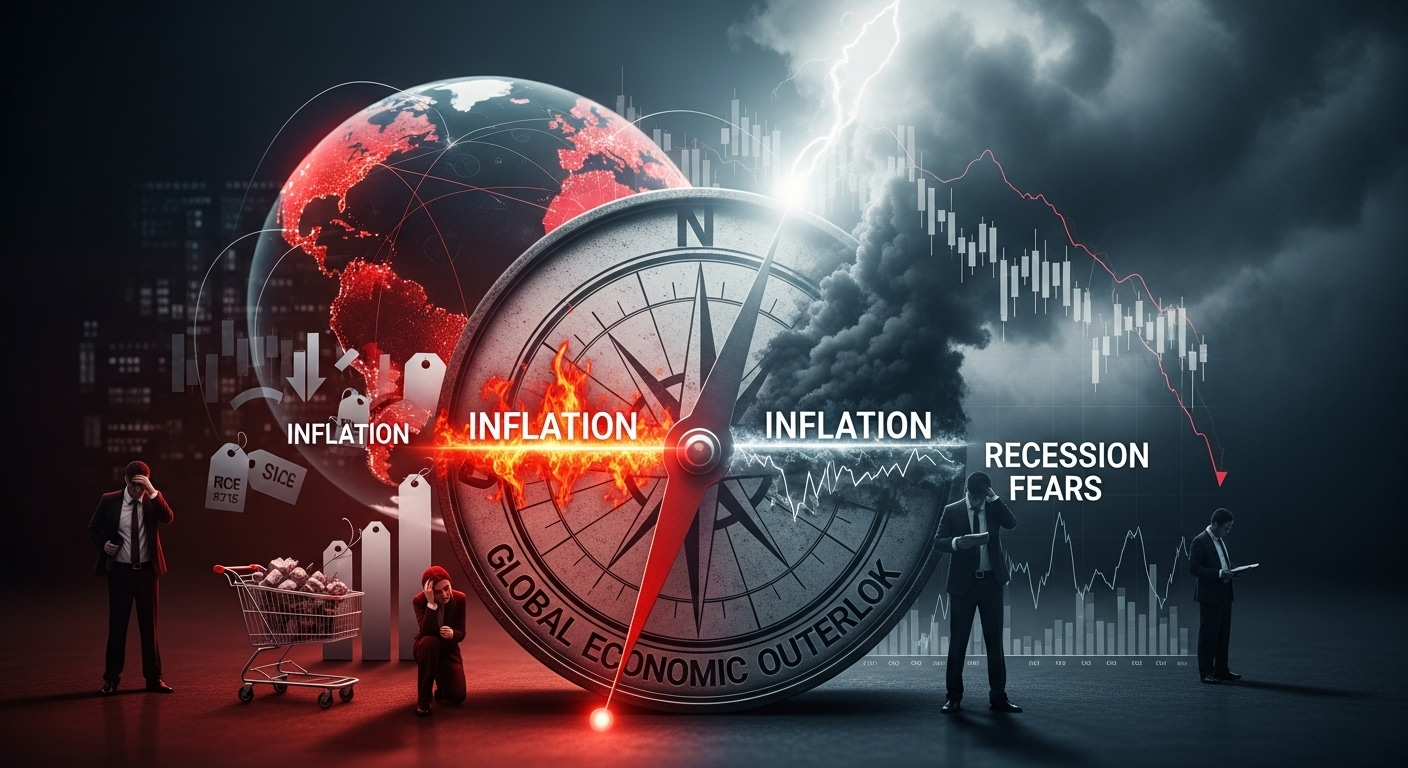
Okay, so let’s talk about the economy. Not in a dry, textbook-y way, but like we’re grabbing coffee and trying to figure out what’s really going on. Because honestly, all the headlines about inflation and recession? They’re enough to give anyone a headache. The tricky thing is, everyone’s got a different opinion, a different model, a different feeling about what’s next.
I remember back in 2008… well, let’s just say the current climate feels a bit… familiar. But is it the same? No. Absolutely not. And that’s where the nuance comes in. That’s where understanding the global economic outlook becomes less about doomsday predictions and more about, well, smart navigation. Because you know, the world keeps spinning.
And here’s the thing: you might be wondering, why should I care? Isn’t this all just Wall Street mumbo jumbo? Nope. It affects everything. The price of your groceries. Your job security. Your ability to, you know, live comfortably. So, buckle up. Let’s dive in.
Understanding the Inflation Puzzle
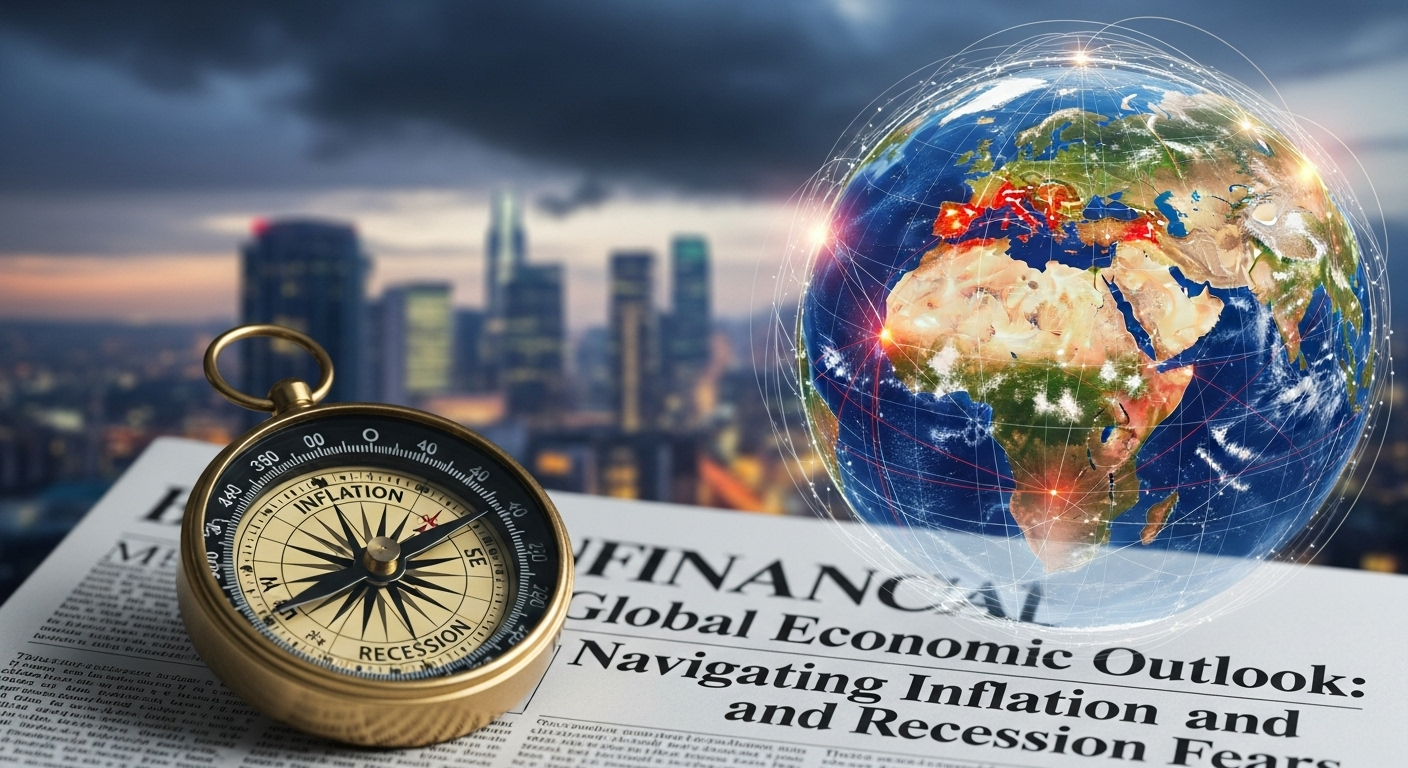
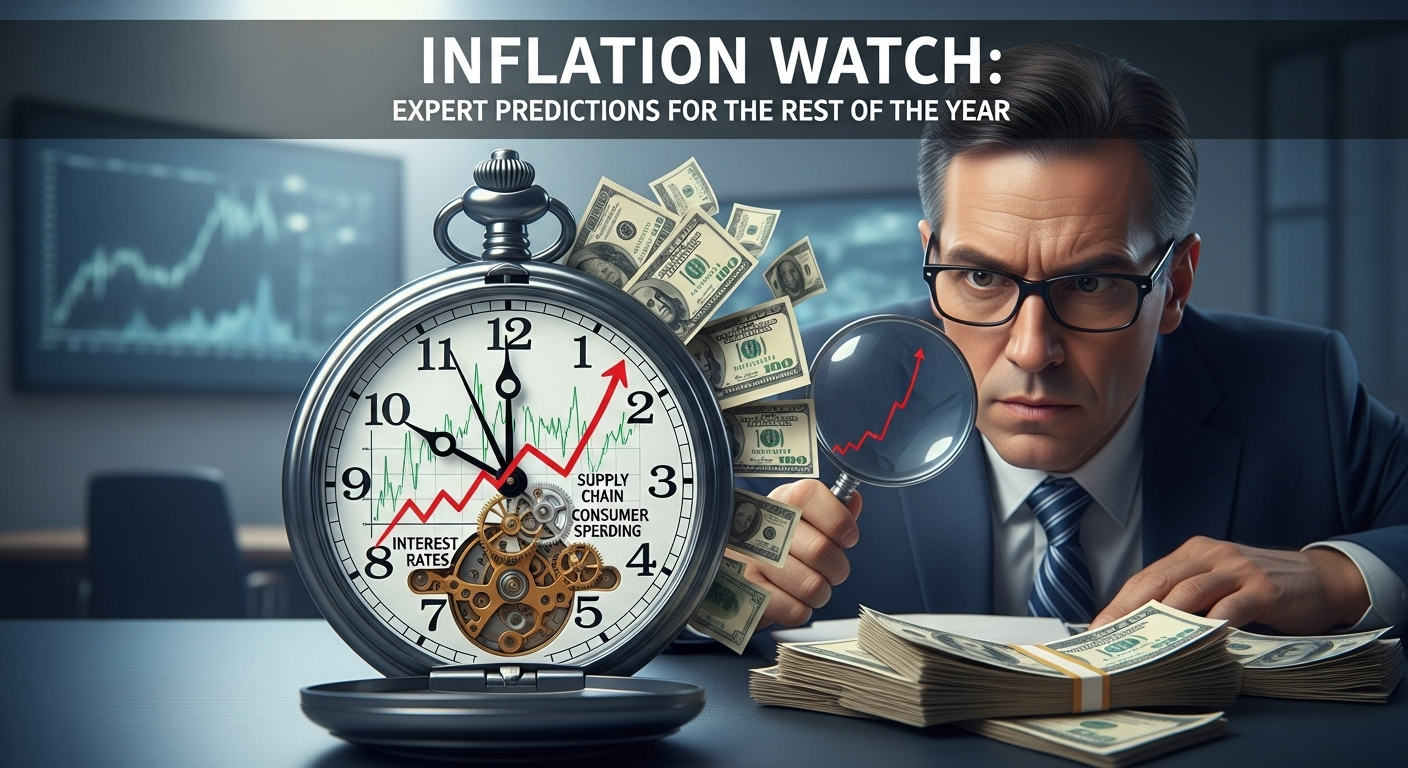
Inflation. We’ve all felt it. The shrinking candy bar. The gas pump sticker shock. The slowly but surely escalating price of, well, everything! But what is it, really? Officially, it’s the rate at which the general level of prices for goods and services is rising, and subsequently, purchasing power is falling. Clear as mud, right?
Let me try to explain it more clearly. Imagine a pizza. A delicious, cheesy pizza. A few years ago, that pizza cost you $15. Now, it’s $18. Same pizza. More money. That’s inflation. And when inflation gets too high, it can seriously mess things up.
Now, why is it happening? It’s a perfect storm, really. Supply chain issues (remember those cargo ships stuck in ports?). Increased demand as economies reopened after the pandemic. And, of course, government stimulus packages injecting money into the system. Actually, that’s not quite right – there’s the war in Ukraine and how that has affected energy prices and food security. The combined effect is that there’s more demand for goods and services than there is supply, thus, prices go up. But it’s not all doom and gloom. Investopedia has a more thorough explainer if you want to dig deeper. But the gist is, inflation is complex!
Recession Fears: Are We There Yet?
Okay, so inflation is bad. But what’s even scarier is the R-word: Recession. The dreaded economic downturn that sends shivers down everyone’s spines. But what actually defines a recession? It’s typically defined as two consecutive quarters of negative GDP growth. But economists love to debate definitions, don’t they?
Here’s the frustrating thing: predicting a recession is notoriously difficult. It’s like trying to predict the weather a year from now. Sure, you can look at historical data, but unexpected events (ahem, global pandemics) can throw everything off. And then you have central banks trying to use interest rates as levers, and governments using fiscal policy… it’s a huge tangled mess!
And look, there are certainly indicators flashing warning signs. High inflation, rising interest rates, slowing global growth… But a recession isn’t a foregone conclusion. Many economists think we might see a slowdown rather than a full-blown recession. But that doesn’t mean we shouldn’t be prepared. Honda CR-V Hybrid Test
Global Interconnectedness: A Double-Edged Sword
We live in a globally interconnected world. Which is fantastic in many ways. But it also means that economic problems in one country can quickly spread to others. Think of it like a domino effect. A financial crisis in Asia can trigger a recession in Europe. Supply chain disruptions in China can lead to inflation in the United States. You get the idea.
But. And it’s a big but. This interconnectedness also means opportunities for growth. When one region struggles, others can step in to fill the void. International trade can help stabilize prices and provide consumers with more choices. But there are always winners and losers in the global economy. And honestly, sometimes it feels like the game is rigged.
The war in Ukraine is a perfect example. Its impact reaches far beyond its borders, affecting energy prices, food security, and overall global stability. It also accelerates trends already present, such as the push to diversify supply chains. I initially thought the impact would be limited geographically. But after looking deeper, the war is affecting us all!
Navigating the Uncertainty: Strategies for Businesses and Individuals
So, what can you do to navigate this uncertain economic landscape? Well, it depends on whether you’re a business owner or an individual. But some principles apply to both. Be prepared. Be flexible. Be informed.
For businesses, this might mean diversifying your supply chains, building up cash reserves, and investing in technology to improve efficiency. For individuals, it might mean paying down debt, creating an emergency fund, and investing in your skills. Social Medias Influence Consider things like short-term certificates of deposit to make some money off of your savings. I keep coming back to this point because it’s crucial: knowledge is power. The more you understand about the economy, the better equipped you’ll be to make informed decisions.
But ultimately, here’s the thing: nobody has a crystal ball. We can’t predict the future with certainty. But we can learn from the past, analyze the present, and prepare for a range of possible outcomes.
FAQ: Understanding the Global Economic Outlook
How worried should I be about a potential recession?
That’s the million-dollar question, isn’t it? It’s wise to be aware and prepared, but not to panic. The media often sensationalizes things. Focus on what you can control: your own financial situation. Are you prepared for a job loss? Do you have savings to cover unexpected expenses? Taking proactive steps will alleviate anxiety and increase your resilience, regardless of what the global economic outlook holds.
What’s the difference between inflation and stagflation?
Ah, stagflation! It’s like inflation’s evil twin. Inflation is rising prices. Stagflation is rising prices combined with slow economic growth and high unemployment. It’s a particularly nasty scenario because it’s harder to fix. Typical measures to combat inflation (raising interest rates) can worsen the economic slowdown. The frustrating thing about stagflation is that it poses such a dilemma to central banks.
Will interest rate hikes actually curb inflation?
That’s the big bet central banks are making right now. The idea is that higher interest rates will make borrowing more expensive, which will cool down demand and eventually bring prices back down to earth. But there’s a risk of overdoing it and triggering a recession. It’s a delicate balancing act, and honestly, it’s hard to know if they’ll get it right. But as crazygames have proven, balancing acts can be very exciting!
How does the Global Economic Outlook affect my investments?
Economic uncertainty can create volatility in the stock market. So, you might see your portfolio values fluctuate more than usual. A diversified investment strategy is key. Don’t put all your eggs in one basket. And consider consulting with a financial advisor to ensure your portfolio aligns with your risk tolerance and long-term goals. Actually, it’s a good idea to speak to a financial advisor regardless! The key to keep in mind is not to panic sell when the market dips, and instead stick with your plan and potentially buy more assets at a discount.
So, there you have it. The global economic outlook in a nutshell. It’s complicated. It’s uncertain. But it’s not insurmountable. By staying informed, being prepared, and thinking strategically, you can navigate these challenges and come out stronger on the other side. Now, go grab that coffee. You’ve earned it.