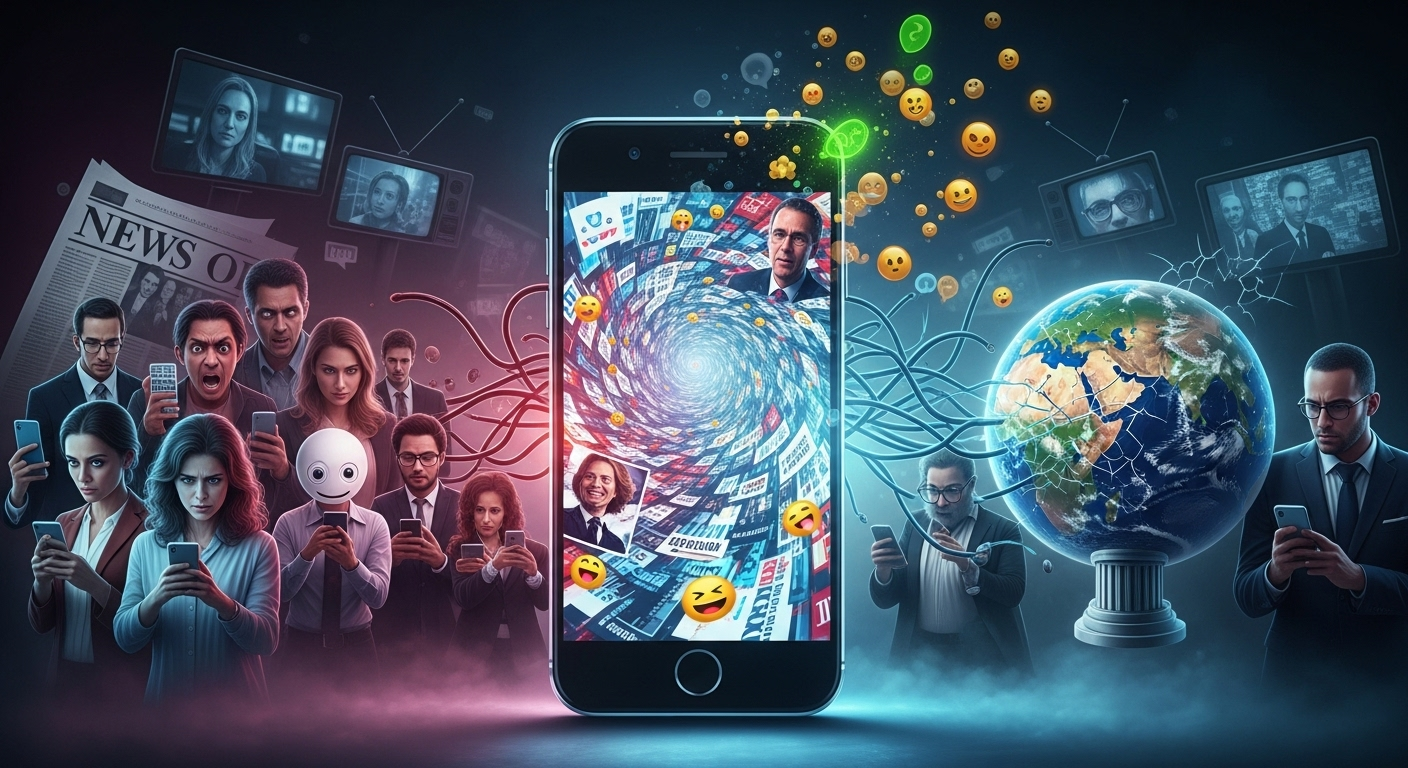
Okay, let’s talk about something that’s been swirling around my brain (and probably yours) for a while now: social media and its, shall we say, interesting relationship with politics. It’s not just about who tweets what anymore. It’s about how entire realities are being shaped, warped, and sometimes completely fabricated online. I remember the good old days (or so I thought) of simple forums, but what we have now is a whole new beast. And honestly, sometimes it feels like we’re all just feeding it.
It’s tempting to think that social media is just a reflection of our existing political divides, but I honestly believe it’s something far more potent. It’s an amplifier, a distorter, and, in some cases, the very source of those divisions. Think about it – how many times have you seen a headline that just begs for outrage? And how many times have you clicked on it, even though a tiny voice in the back of your head whispers, “This probably isn’t the whole story…”? Yeah, me too. This leads us to one of the biggest issues…
The Disinformation Age
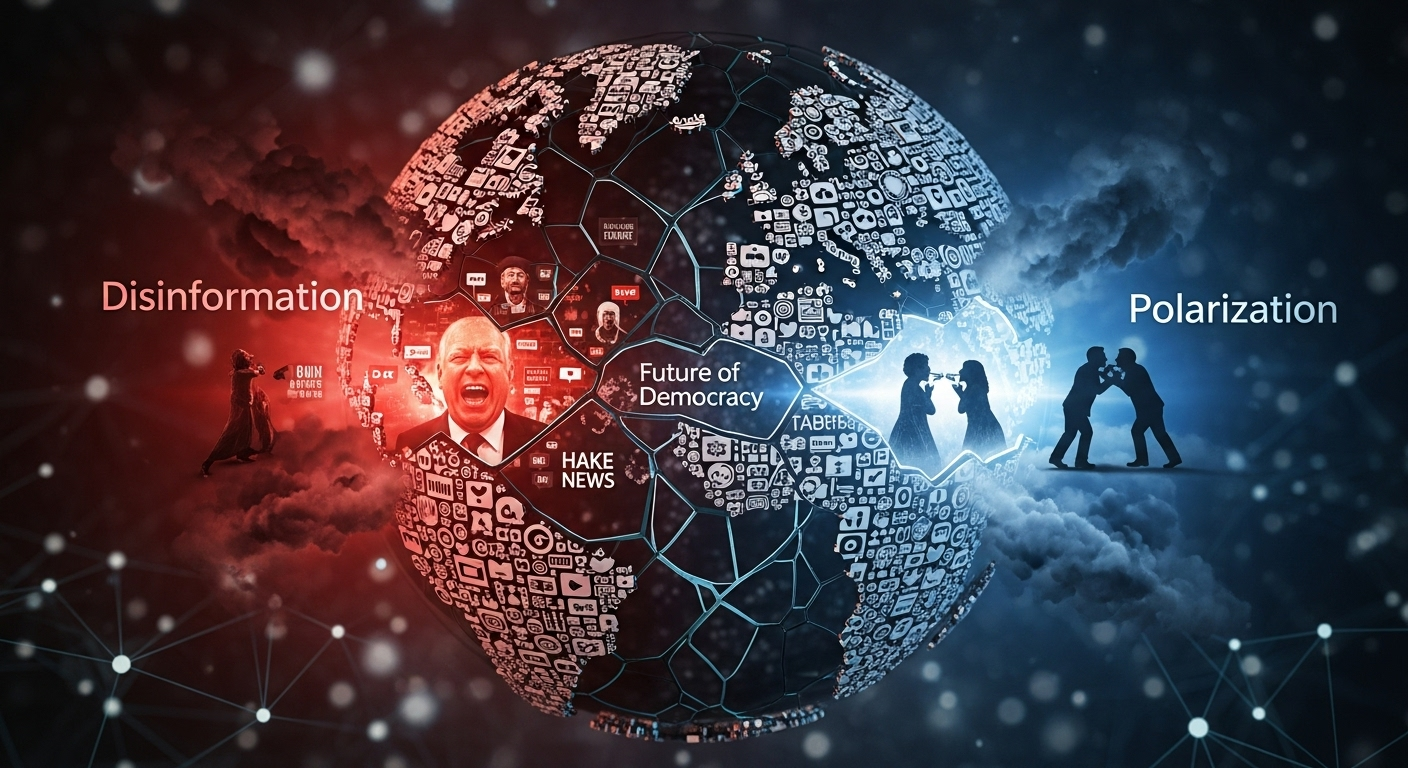
Disinformation. Misinformation. Fake news. Whatever you want to call it, it’s everywhere. And social media has turned it into an art form. The speed at which false narratives can spread is genuinely terrifying. One minute, it’s a conspiracy theory bubbling in some obscure corner of the internet; the next, it’s trending worldwide. And correcting it? Well, that’s like trying to catch smoke with your bare hands. Actually, that’s not quite right, it’s worse! The speed the information spreads can be astronomical. How do you compete with that kind of velocity when you’re trying to share the truth?
But here’s the thing that really gets me. It’s not just about the outright lies. It’s about the subtle manipulations, the carefully crafted narratives that play on our emotions and biases. The memes, the videos, the seemingly innocuous posts that, when taken together, create a very specific and often very skewed picture of the world. And because we’re all trapped in our own little echo chambers, curated by algorithms designed to keep us engaged, it’s harder than ever to break free and see the bigger picture. Here’s an excellent blog post on finding more content to keep up to date.
And it’s not just the obvious political stuff, either. It seeps into every area of life. I saw someone the other day convinced that a certain online game was secretly controlled by a political party. You can understand how that belief can be quite harmful to the game’s community.
Polarization: The Grand Canyon of Opinions
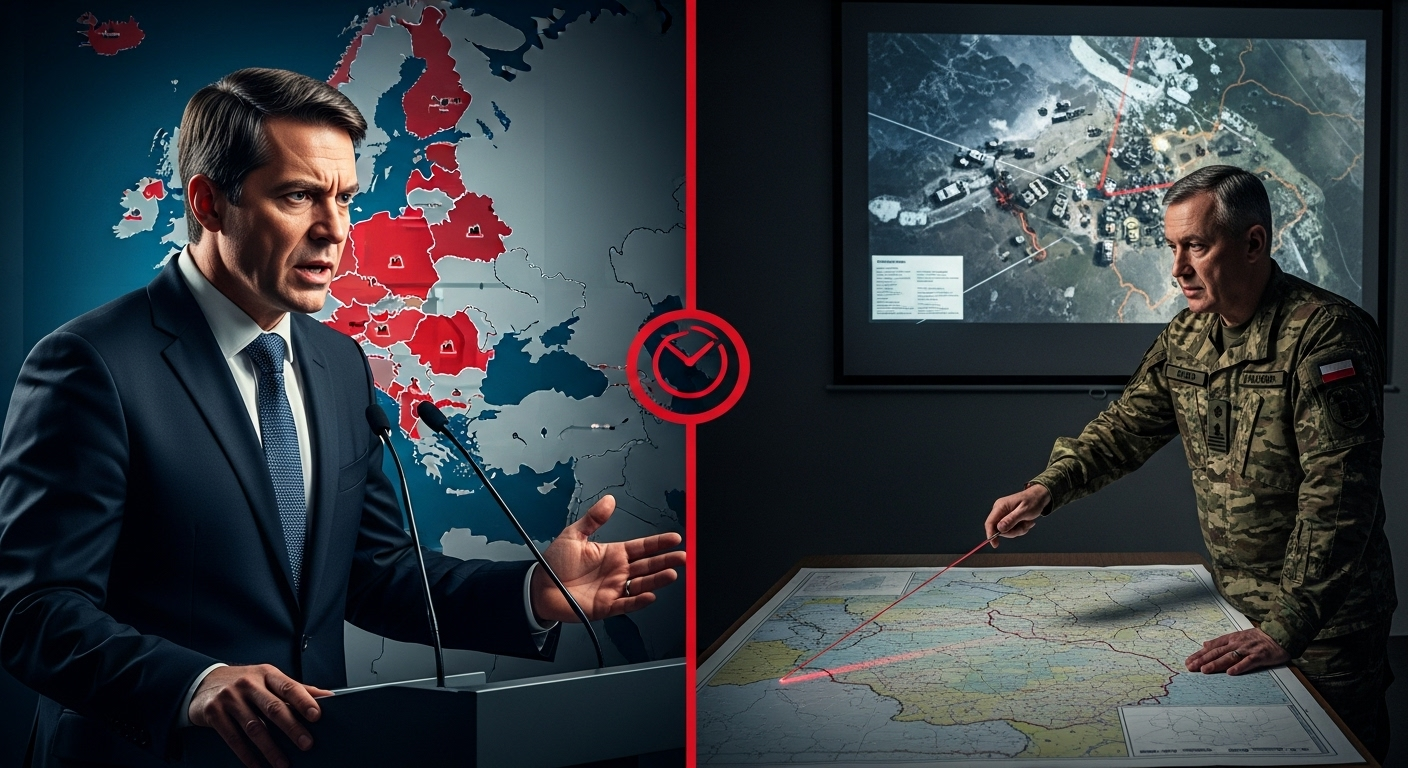
This is where things get… well, let’s say “complicated.” Social media isn’t just spreading misinformation; it’s actively driving us further apart. The algorithms that curate our feeds are designed to show us more of what we already agree with. This creates echo chambers where our beliefs are constantly reinforced, and opposing viewpoints are demonized. It’s like living in a world where everyone agrees with you, all the time. Sounds nice, right? Wrong. It’s intellectually and socially crippling.
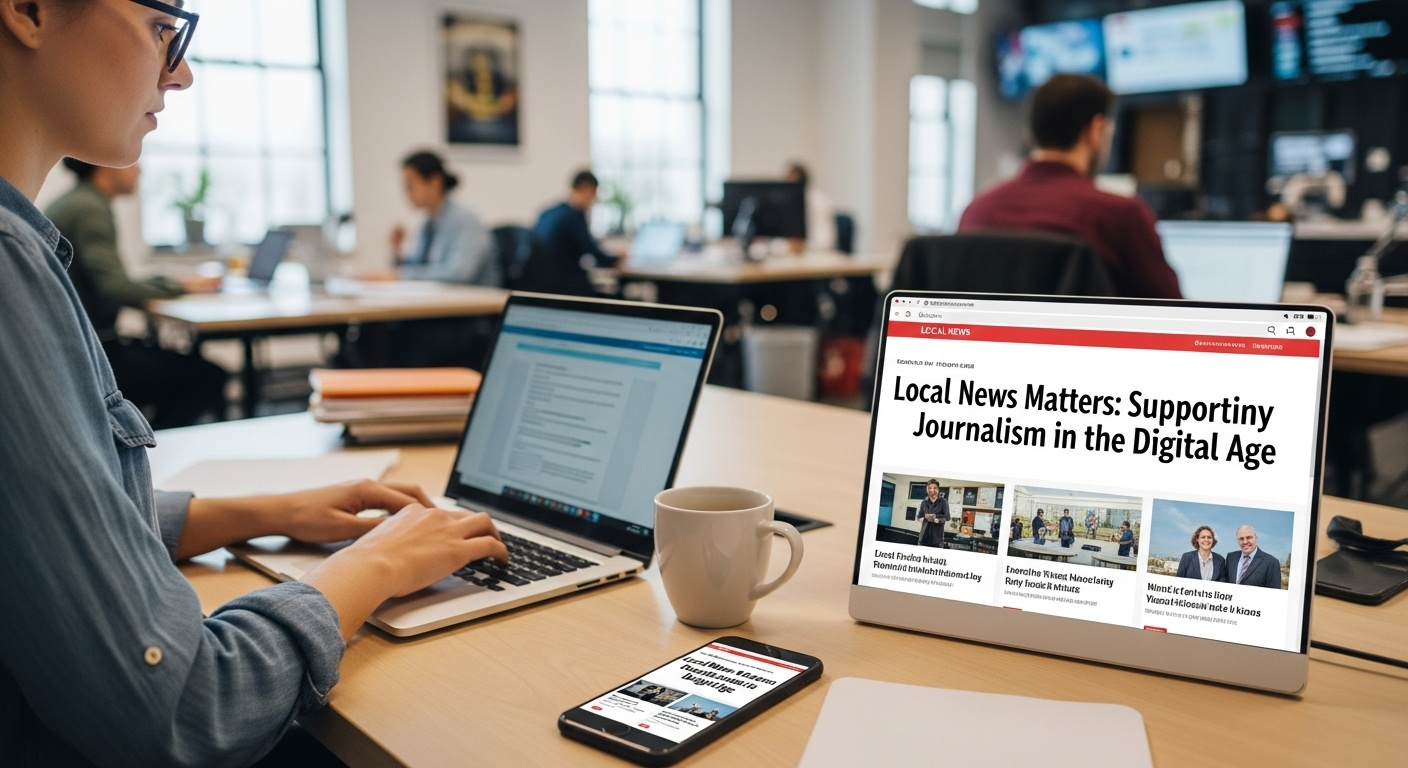
And it’s not just about disagreeing on policy. It’s about questioning each other’s motives, doubting each other’s intelligence, and even dehumanizing each other. When someone holds a different political view, they’re not just wrong; they’re evil, stupid, or both. And that, my friends, is a recipe for disaster. Speaking of disagreement in certain communities, you should read about this local news post. It really can change your perspective about disagreement.
This reminds me of something I read a while back – can’t remember where – about how social media is basically turning us all into tribal beings again. We’re retreating into our own little groups, clinging to our shared beliefs, and viewing anyone outside the tribe with suspicion and hostility. It’s a deeply ingrained human tendency, and social media is just exploiting it with ruthless efficiency.
But it’s not ALL doom and gloom. There are some fantastic communities out there. Check out Crazy Games, they have built a good and fun community!
Can Democracy Survive the Social Media Storm?
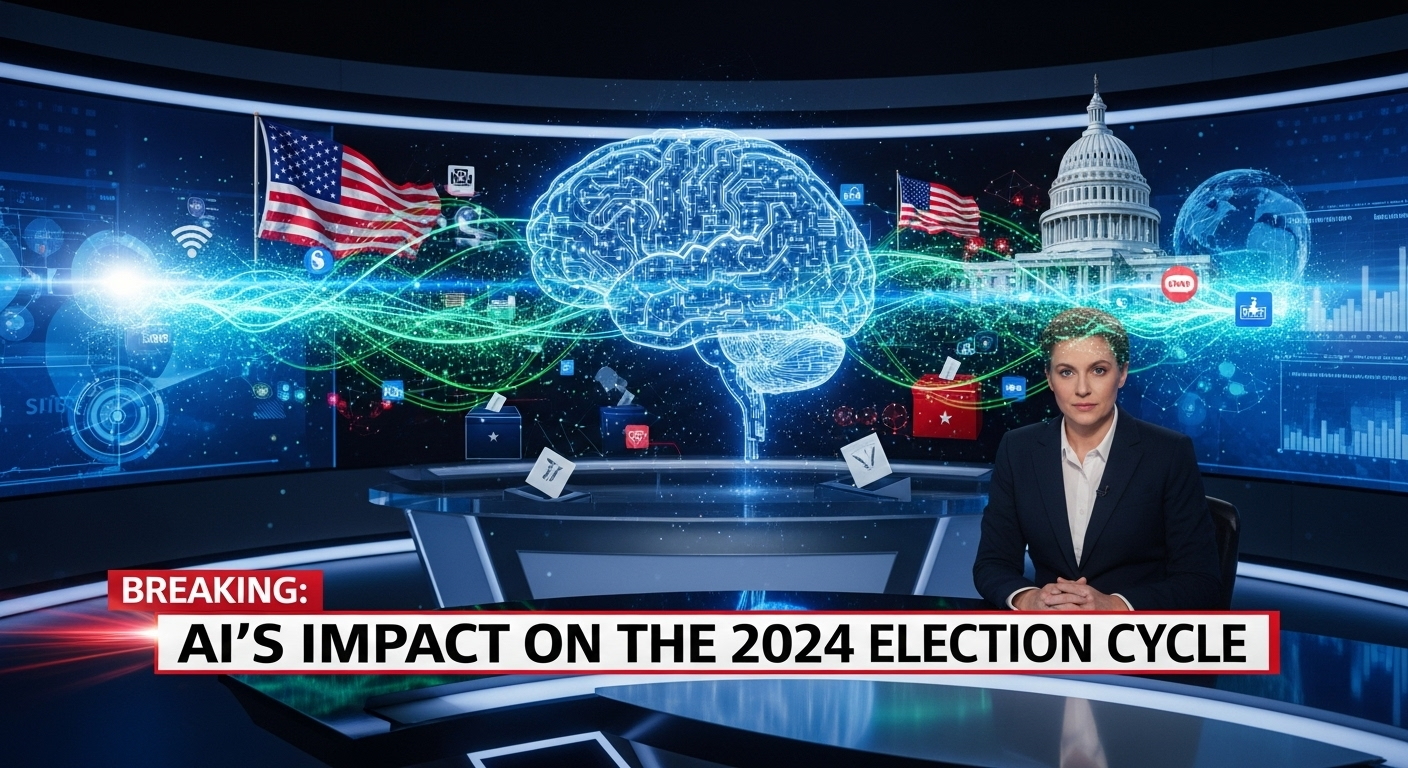
Okay, so here’s the million-dollar question: can democracy survive in this environment? Can we maintain a functioning society when everyone is living in their own personalized reality, bombarded with misinformation and driven further apart by algorithms? I’m not going to lie; I’m worried. The challenges are immense. But I’m not ready to throw in the towel just yet.
I think the key is media literacy. We need to teach people how to critically evaluate information, how to spot fake news, and how to recognize the manipulative tactics that are being used to influence their opinions. And we need to start doing it early. In schools, in communities, everywhere. This is a skill that everyone needs to survive in the modern world. But it’s not just about individual responsibility. The social media companies themselves need to step up and take responsibility for the content that’s being spread on their platforms. They can’t just hide behind the excuse of “free speech” while their algorithms are actively amplifying misinformation and driving polarization. They have a moral obligation to protect the integrity of the democratic process.
Let me try to explain this more clearly: free speech does not mean free reign to yell “fire” in a crowded theater. These companies have a duty to protect their users and the broader society from harm. And that includes cracking down on disinformation and hate speech, even if it means sacrificing some short-term profits.
But, as mentioned, that’s not to say social media is all bad. It is an incredibly useful tool that allows people who would otherwise never meet to connect and learn from one another. It gives a voice to the voiceless and can be a very powerful tool for social good.
FAQ: Navigating the Murky Waters of Social Media and Politics
How do I know if the information I’m seeing online is accurate?
That’s the million-dollar question, isn’t it? There’s no foolproof method, but here are a few things to keep in mind. First, consider the source. Is it a reputable news organization with a track record of accuracy? Or is it some obscure website with an agenda to push? Second, look for evidence. Are the claims being made supported by facts and data? Or are they based on speculation and opinion? Third, be wary of emotionally charged headlines and stories. Disinformation often preys on our emotions, trying to get us to react without thinking. Finally, do your own research. Don’t just take everything you see at face value. Check multiple sources and see what others are saying about the issue. If you suspect that the story is inaccurate, report it to the social media site.
Why does social media seem so much more polarized than real life?
That’s because social media algorithms amplify extreme views. They’re designed to show you content that you’re likely to engage with, and that often means content that confirms your existing biases. As a result, you’re more likely to see posts from people who agree with you, and less likely to see posts from people who disagree. This can create a distorted view of reality, where it seems like everyone is either on your side or completely against you. In real life, most people are somewhere in the middle. Think about it this way: online, your opinions are like a magnet attracting only similar viewpoints. Outside, it’s a mixed bag. You hear and see all kinds of things whether you like it or not.
Isn’t censoring disinformation a violation of free speech?
This is a complex issue with no easy answers. On the one hand, free speech is a fundamental right that should be protected. On the other hand, disinformation can cause real harm, undermining democracy and even endangering lives. So, where do we draw the line? Here’s where it gets messy. I think the key is to distinguish between opinions and outright lies. People are entitled to their own opinions, even if those opinions are wrong or unpopular. But they’re not entitled to spread false information that could harm others. But how do you effectively police that?
How can social media’s influence on politics be used for good?
That’s a great question, and it’s easy to get discouraged by all the negativity, but the truth is, social media can be a powerful tool for good. It can be used to raise awareness about important issues, to organize social movements, and to connect people with different perspectives. It can also be used to hold politicians accountable and to promote transparency in government. I think the key is to use social media intentionally and responsibly. Be mindful of the content you’re consuming and sharing, and make an effort to engage in respectful dialogue with people who disagree with you. The question is whether we, as a society, are up to the challenge.
Ultimately, Social Media’s Influence on Politics: Disinformation, Polarization, and the Future of Democracy is something we all have to navigate. It’s not going away, and we can’t just bury our heads in the sand. We need to find ways to use these tools wisely, to protect ourselves from manipulation, and to build a more informed and engaged citizenry. It’s a tall order, but the future of democracy may depend on it.