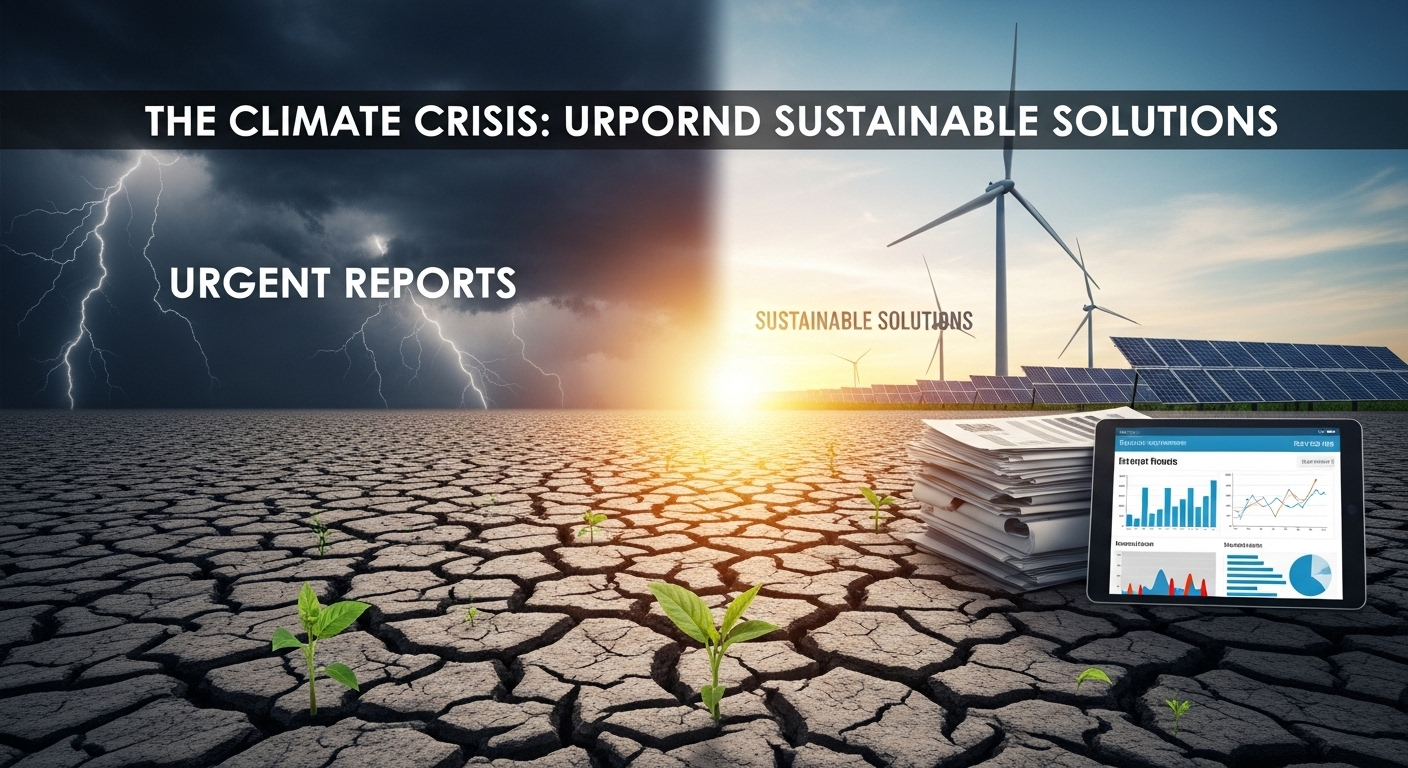
Okay, let’s talk about something a little…intense. The climate crisis. I know, I know, you’ve heard it all before. But stick with me. This isn’t just another doom-and-gloom piece. It’s about urgent reports, sure, but also about sustainable solutions—real, tangible things we can actually do. And honestly? Some of them are pretty darn cool.
I remember reading a report a few years back – must have been around 2018, maybe 2019? – about the projected impact of rising sea levels on coastal communities. It wasn’t just the numbers that got to me (though those were staggering), it was the stories of the people whose lives were already being affected. Fishermen struggling to make a living, families forced to relocate… it felt so distant and abstract until it became, well, personal. That’s when I really started digging into sustainable solutions, trying to figure out what I – and we – could do. It’s easy to feel helpless, but helplessness helps no one.
Understanding the Urgency: Key Reports and Findings
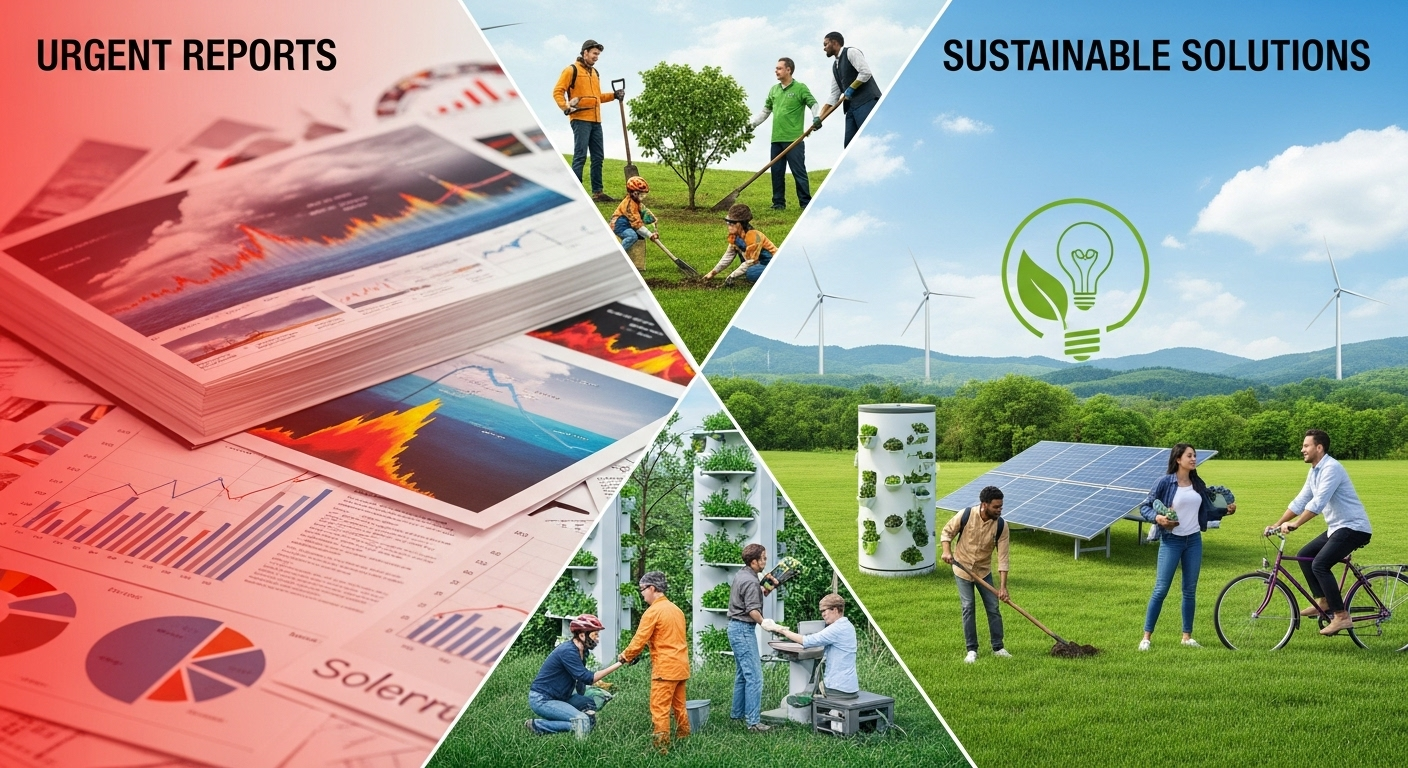
Here’s the thing: the climate crisis isn’t some distant threat. It’s happening now. We’re seeing more extreme weather events – more intense hurricanes, longer droughts, devastating floods. The EPA has a great resource on climate change indicators if you want to dive into the specifics. But the reports themselves? They can be overwhelming. You’ve got the IPCC reports, the National Climate Assessment, reports from various NGOs… it’s a lot to wade through.
But. Let’s cut to the chase. The overwhelming consensus is that human activity, primarily the burning of fossil fuels, is driving climate change. And the longer we wait to act, the worse the consequences will be. Actually, that’s not quite right. It’s not just the burning of fossil fuels, it’s deforestation, industrial agriculture, and a whole host of other factors too. It’s a complex problem, no doubt, which leads to an even more complex array of solutions.
The frustrating thing about this topic is how much misinformation is out there. You’ll find people claiming it’s all a hoax, or that it’s a natural cycle, or that it’s too late to do anything. Don’t listen to them. The science is clear, and while the challenges are significant, there’s still time to make a difference. And the cool thing is this isn’t an all-or-nothing game. Every tiny shift, big or small, moves the needle in the right direction. From a switch to energy-efficient lightbulbs to a change in dietary habits, it all helps. Check out recycle-idle for a fun example.
Sustainable Solutions: Beyond the Headlines
Okay, so what are these sustainable solutions everyone keeps talking about? It’s not just about solar panels and wind turbines, although those are definitely part of the equation. It’s about rethinking the way we live, work, and consume. It’s about creating a circular economy where waste is minimized and resources are used efficiently. And it’s about investing in technologies and innovations that can help us reduce our carbon footprint.
For example, carbon capture and storage (CCS) is gaining traction as a way to remove carbon dioxide from the atmosphere. There are also some really exciting developments in alternative energy sources, like geothermal and hydrogen fuel. I’ve got to admit, this part fascinates me. The innovation happening in the clean energy sector is truly inspiring. And it goes beyond just renewable energy. It’s also things like sustainable agriculture practices, which can help to sequester carbon in the soil and reduce greenhouse gas emissions from farming.
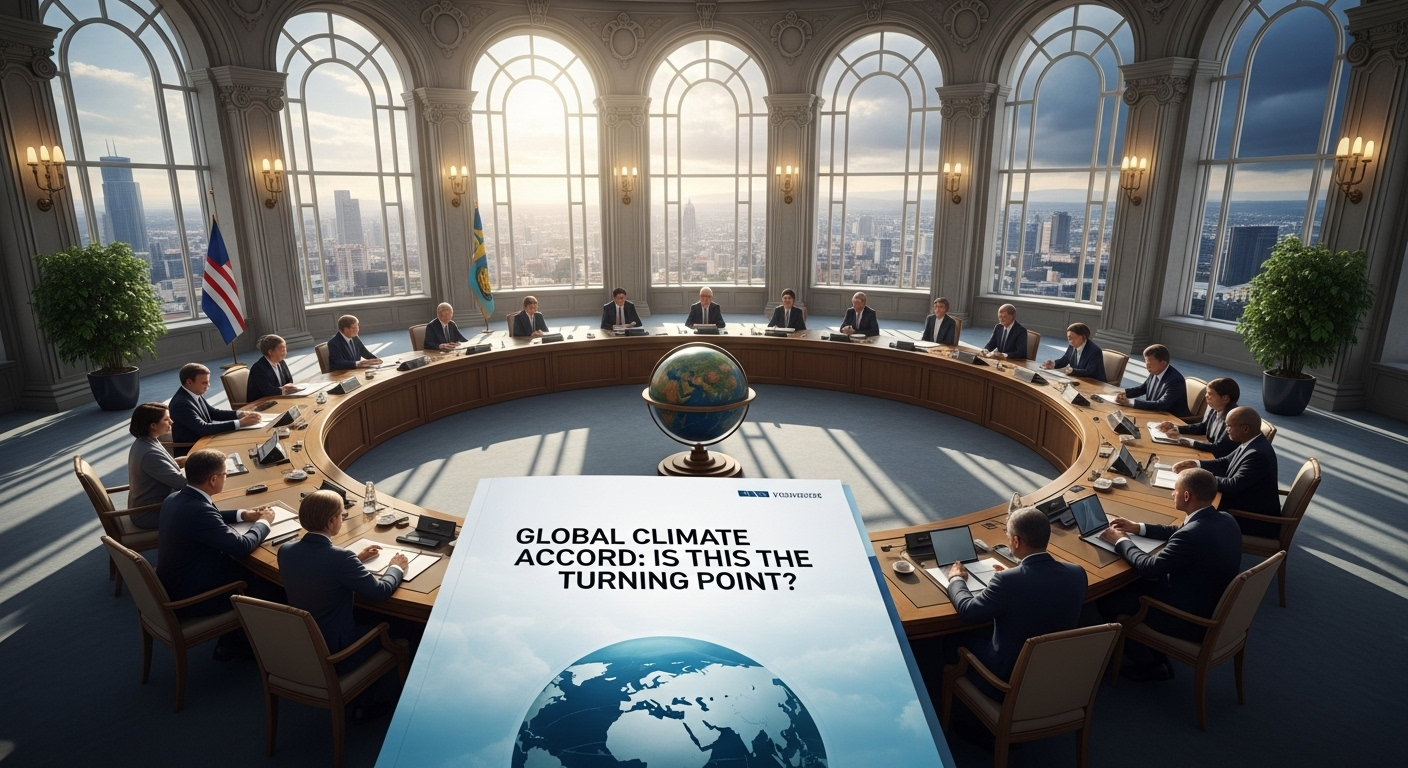
But here’s the thing: technology alone won’t solve the climate crisis. We also need policy changes. We need governments to implement regulations that incentivize sustainable practices and disincentivize polluting ones. We need carbon pricing mechanisms that make polluters pay for the environmental damage they cause. And we need international cooperation to address this global challenge.
Speaking of international cooperation, it’s vital to acknowledge that the climate crisis disproportionately impacts developing nations. These countries, which have contributed the least to the problem, are often the most vulnerable to its effects. Think about it this way: rising sea levels threaten island nations, droughts lead to food shortages in already impoverished regions, and extreme weather events displace vulnerable populations. It’s not just an environmental issue; it’s a social justice issue, too. See this great article on Climate Crisis Coverage: Are News Outlets Doing Enough to Sound the Alarm?
Personal Responsibility: What Can You Do?
So, all of this is a lot to take in. But what can you personally do? It’s easy to feel like your individual actions don’t matter, but they do. Think of it like voting: one vote might not decide an election, but millions of votes can change the course of history. The same goes for climate action.
Start small. Reduce your carbon footprint by making simple changes to your lifestyle. Use less energy, eat less meat, drive less, and consume less. Support businesses and organizations that are committed to sustainability. Talk to your friends and family about the climate crisis and encourage them to take action too. Educate yourself. Here’s Renault Clio 2024 Tested on the Lützelsoon: More Than Enough Car for Everyday Life
And don’t be afraid to speak up. Contact your elected officials and let them know that you care about climate change. Demand that they take action to address this crisis. Participate in protests and demonstrations to raise awareness. The more people who speak out, the more likely we are to see meaningful change.
Wait, there’s something even more interesting here. We need to think about the narratives we tell ourselves about the climate crisis. Too often, it’s framed as a story of sacrifice and deprivation. But it doesn’t have to be that way. A sustainable future can be a more prosperous, equitable, and fulfilling future for all. It can be a future with cleaner air and water, healthier food, and more vibrant communities. It can be a future where we live in harmony with nature, not in conflict with it.
FAQ: Addressing Your Climate Crisis Questions
How do I know if my lifestyle is truly sustainable?
That’s a great question! There’s no one-size-fits-all answer, unfortunately. But a good starting point is to calculate your carbon footprint. There are many online tools that can help you do this. Once you know where your biggest impact is coming from, you can start making changes. Think about your transportation habits (can you bike or take public transit more often?), your diet (can you eat less meat and more locally sourced food?), and your energy consumption (can you switch to renewable energy and improve your home’s insulation?). It’s a journey, not a destination. Don’t aim for perfection; aim for progress.
Why should I care about the climate crisis when other problems seem more pressing?
Here’s the thing: the climate crisis is intertwined with many other problems. It exacerbates poverty, inequality, and conflict. It threatens food security and access to clean water. It undermines public health and economic stability. Addressing the climate crisis is not just about protecting the environment; it’s about creating a more just and equitable world for all. And frankly, ignoring the climate crisis will only make those other problems worse in the long run.
What are some common misconceptions about The Climate Crisis: Urgent Reports and Sustainable Solutions?
One common misconception is that the climate crisis is solely an environmental issue. As mentioned earlier, it’s also a social, economic, and political issue. Another misconception is that individual actions don’t matter. While systemic change is crucial, individual actions collectively can have a significant impact. A third misconception is that sustainable solutions are too expensive or impractical. In many cases, sustainable solutions are actually more cost-effective in the long run, and they often come with additional benefits, such as improved public health and reduced energy costs. Look at electric vehicles, for instance. The initial price may be higher, but with incentives and lower running costs, they’re becoming more and more accessible.
How can I talk to someone who doesn’t believe in climate change?
This can be tricky! Start by listening to their concerns and trying to understand their perspective. Avoid getting into arguments or using accusatory language. Focus on finding common ground and sharing information in a respectful and non-judgmental way. Share personal stories and experiences that illustrate the impacts of climate change. Highlight the benefits of sustainable solutions, such as cleaner air and water, and a more stable economy. And if all else fails, agree to disagree. You’re not going to convince everyone, and that’s okay.
Is it too late to do anything about the climate crisis?
Absolutely not! While the challenges are significant, there’s still time to make a difference. The sooner we take action, the better. Every fraction of a degree of warming that we can avoid will reduce the severity of the impacts. And the more we invest in sustainable solutions, the more likely we are to create a future where both humans and the planet can thrive. So, don’t give up hope. Get involved, stay informed, and keep fighting for a better future.
So, there you have it. The climate crisis is a complex and urgent issue, but it’s not insurmountable. By understanding the challenges, embracing sustainable solutions, and taking personal responsibility, we can create a future where both humans and the planet can thrive. It won’t be easy, but it’s worth fighting for. And hey, maybe we can even have some fun along the way!