Okay, let’s be real. The world feels a little chaotic right now, doesn’t it? It’s not just a vague sense of unease; there are actual, tangible geopolitical tensions simmering – or, in some cases, boiling over. And trying to keep up with all of it? Forget about it. It feels like trying to catch smoke.
But here’s the thing: ignoring it isn’t an option. These tensions, whether we’re talking about trade wars, regional conflicts, or the ever-present threat of cyber warfare, have real consequences. They affect economies, international relations, and, ultimately, all of us. So, we kinda have to pay attention. The frustrating thing is, all this information is overwhelming, conflicting, and often feels designed to confuse you.
I initially thought I could just give you a neat, tidy summary of everything happening. Actually, that’s not quite right. I wanted to give you that. But the more I dug in, the more I realized that simplifying it too much would do a disservice to the complexity of the situation. And frankly, it’d be boring. So, instead, let’s explore some key areas and think about what they actually mean.
Understanding the Current Hotspots
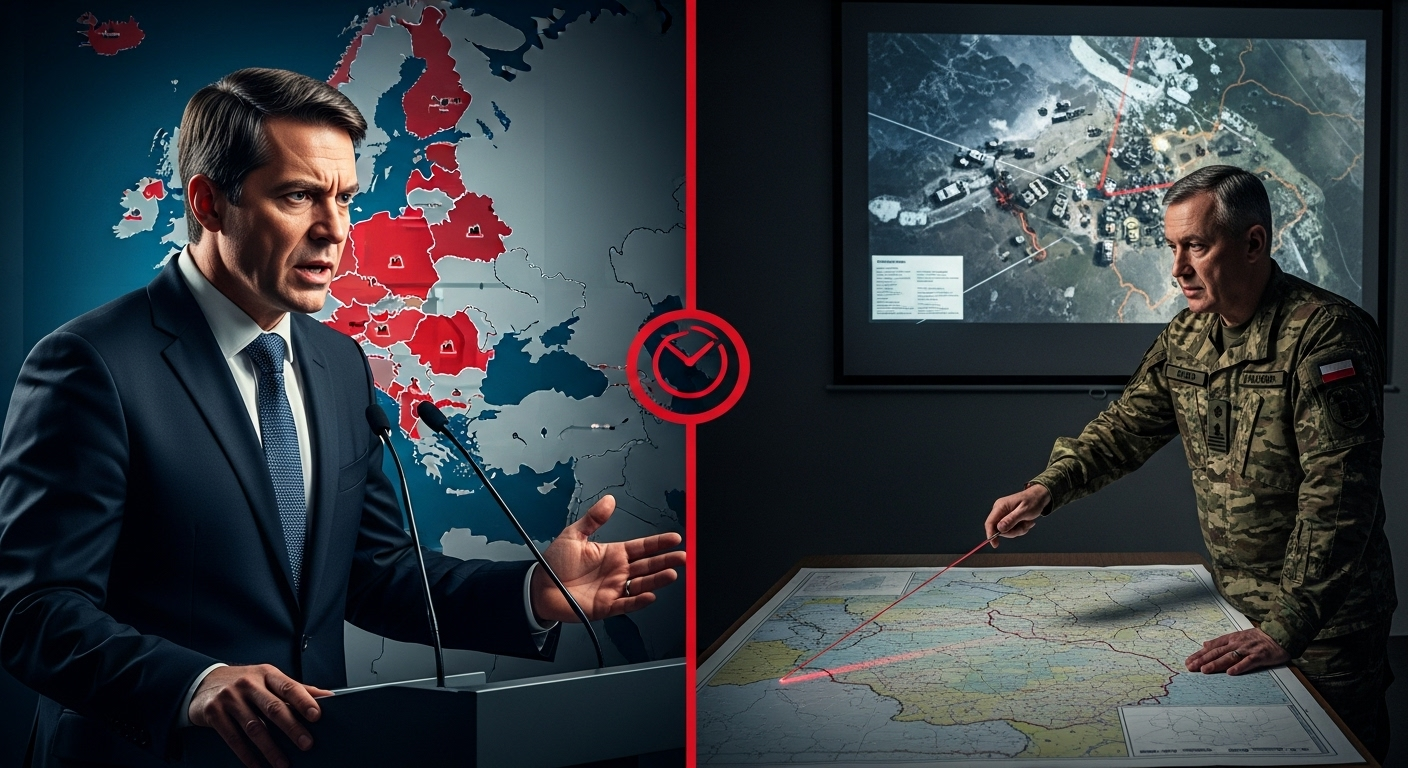
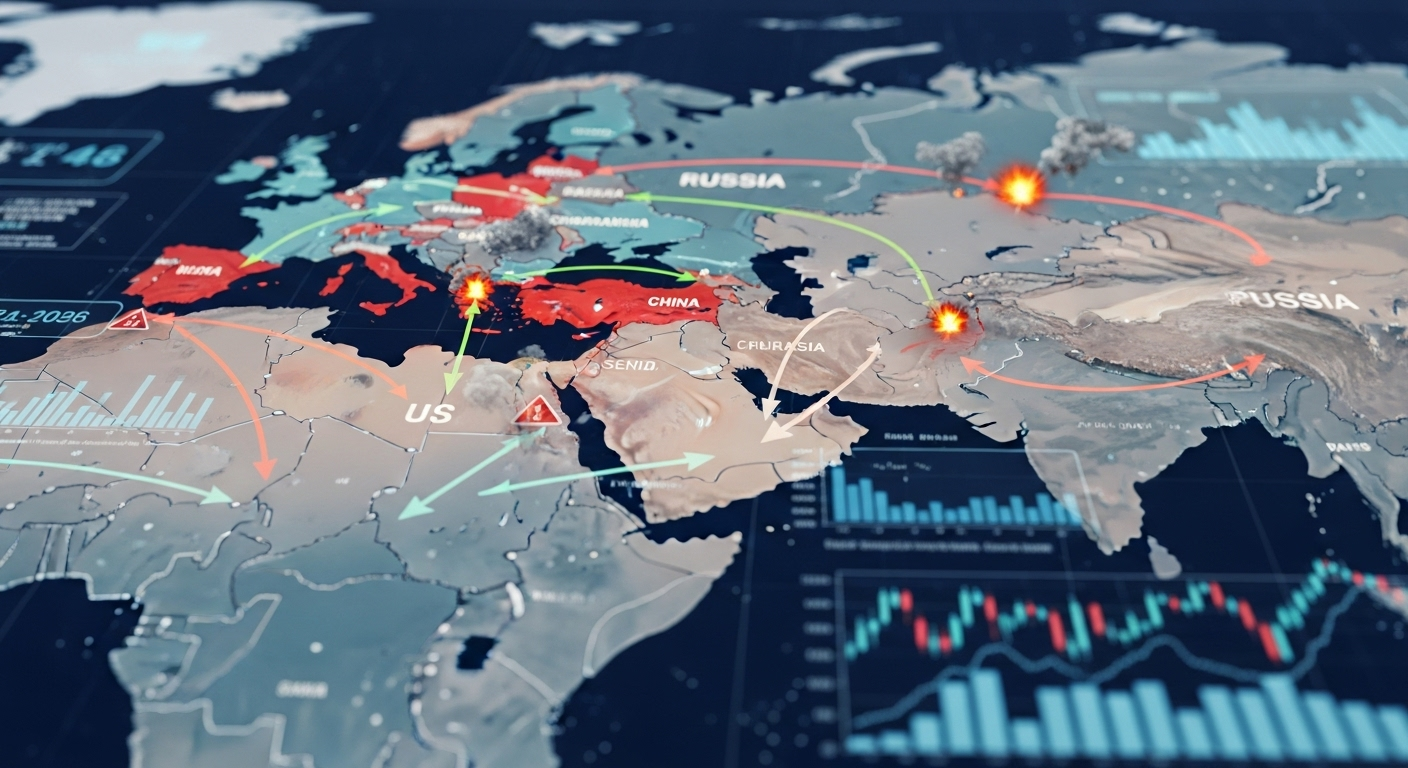
First off, where are the real pressure points right now? You’ve got the ongoing conflict in Ukraine, of course, with its ripple effects on global energy markets and international alliances. Among Us Then there are the rising tensions in the South China Sea, the instability in parts of Africa, and the ever-present undercurrent of conflict in the Middle East. To try to keep track, I find myself constantly turning to the Council on Foreign Relations (CFR), they are the go to authority here.
But it’s not just about knowing where these conflicts are. It’s about understanding why they’re happening. Are we talking about resource scarcity? Ideological clashes? Historical grievances? More often than not, it’s a messy combination of all of the above. And here’s the thing – and I keep coming back to this point because it’s crucial – many of these conflicts are interconnected. A seemingly isolated event in one region can have knock-on effects halfway across the world.
Think about it this way: imagine a complex network of gears. If one gear starts to grind, it puts strain on all the others. That’s kind of what’s happening on a global scale right now.
The Economic Impact of Geopolitical Instability
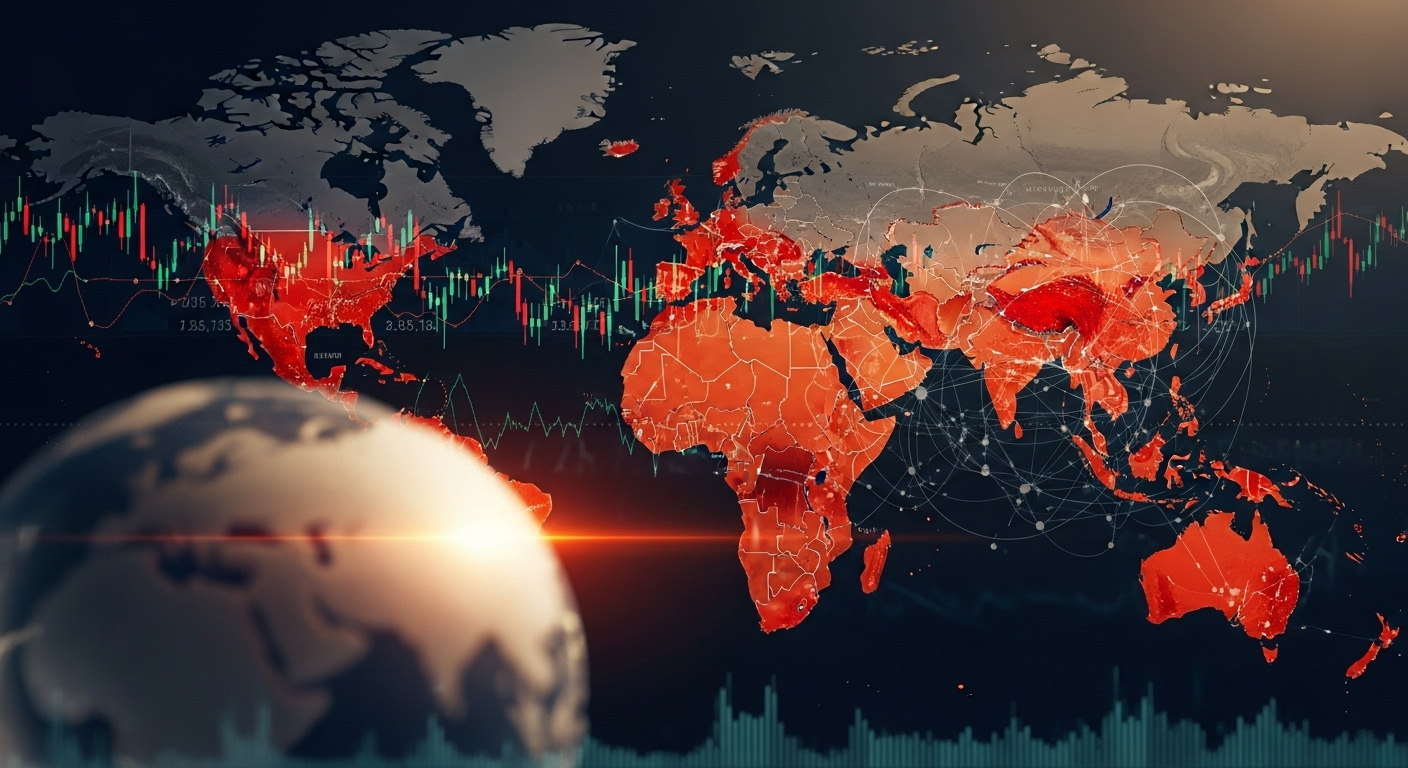
Okay, let’s talk money. Because ultimately, a lot of these geopolitical tensions have economic roots – or at least, economic consequences. Trade wars, sanctions, and disruptions to supply chains can all wreak havoc on global markets. And the frustrating thing about this is how unpredictable it can be. One minute, things seem relatively stable; the next, a new trade barrier is announced, and the markets go into a tailspin.
We’re seeing this play out in real-time with the ongoing trade disputes between the US and China. Tariffs on goods, restrictions on technology exports – these things don’t just affect the companies involved. They affect consumers, investors, and the overall global economy. And let’s not forget inflation, which, whilst having many parents, is certainly fuelled by geopolitical uncertainty.
And it’s not always the obvious things. Consider the cybersecurity dimension. Cyberattacks on critical infrastructure – power grids, financial institutions, government agencies – can have devastating economic consequences. And as geopolitical tensions rise, the risk of these attacks increases. Which isn’t exactly comforting, is it?
The Role of Technology and Information Warfare
Speaking of cybersecurity, let’s talk about technology. Because technology is playing an increasingly important role in geopolitical conflicts. Not just in terms of weapons and military capabilities, but also in terms of information warfare.
Social media, for example, has become a battleground for competing narratives. State-sponsored actors are using social media to spread disinformation, manipulate public opinion, and interfere in elections. And it’s getting harder and harder to tell what’s real and what’s fake. Honestly, sometimes I feel like I need a PhD in media literacy just to navigate my Facebook feed.
But it’s not just social media. Artificial intelligence (AI) is also playing a bigger role. AI can be used to analyze vast amounts of data, identify patterns, and predict future events. Which sounds great, right? But it can also be used to develop autonomous weapons, create sophisticated propaganda, and launch more effective cyberattacks. It’s like that old saying: “With great power comes great responsibility”. It is up to us to ensure this is so, and not merely lip service. If you’re interested in the interplay of tech and global affairs, I’d recommend checking out this review of a tech-heavy electric car.
Geopolitical Tensions: Navigating the Future
So, what does all of this mean for the future? Well, that’s the million-dollar question, isn’t it? Honestly, I don’t have a crystal ball. But I can tell you that the world is likely to become more complex and more uncertain in the years ahead. Which isn’t exactly what we wanted to hear…
We’re likely to see a continued rise in multipolarity, with power shifting away from the traditional Western powers and towards new players like China and India. We’re also likely to see a continued rise in regional conflicts, fueled by resource scarcity, ideological clashes, and historical grievances. I think this piece about Mercedes EQS is a great way to take your mind of of it.
And the question is, how do we navigate this new world order? How do we manage these geopolitical tensions in a way that promotes peace, stability, and prosperity? I don’t have all the answers. But I think it starts with a willingness to understand different perspectives, engage in constructive dialogue, and find common ground.
FAQ: Understanding Geopolitical Tensions
Why are geopolitical tensions rising now?
That’s a complex question with no single answer! It’s a confluence of factors: the shifting balance of power, economic competition, resource scarcity, and ideological differences all play a role. The rise of new global players like China and India is challenging the established world order, creating new tensions. Plus, unresolved historical grievances and the spread of misinformation exacerbate existing conflicts. It’s like a pressure cooker with multiple heat sources!
How do I know if a news source is biased when covering geopolitical events?
Good question! It’s crucial to be critical of your news sources. Look for loaded language, selective reporting, and a lack of diverse perspectives. Check who funds the news outlet and consider their potential biases. Cross-reference information from multiple sources to get a more balanced view. Remember, no news source is completely objective, but some are more transparent and fair than others. A healthy dose of skepticism is your best friend.
What’s the average person supposed to do about geopolitical tensions anyway? Feels kinda helpless…
I get it, it can feel overwhelming! But even small actions can make a difference. Stay informed, engage in respectful dialogue with people who have different views, and support organizations working towards peace and diplomacy. Consider how your consumer choices might be connected to global issues (fair trade, ethical sourcing, etc.). And don’t underestimate the power of critical thinking – challenge assumptions and resist the urge to oversimplify complex situations. Your voice matters!
How are Geopolitical Tensions Rise affecting the global economy in the short-term?
In the short term, rising geopolitical tensions are creating uncertainty in financial markets, disrupting supply chains, and contributing to inflation. Businesses are delaying investments, and consumers are becoming more cautious with their spending. We’re also seeing increased volatility in commodity prices, particularly for energy and food. The overall effect is slower economic growth and a higher risk of recession.
What’s the biggest misconception about geopolitical tensions?
I think the biggest misconception is that these tensions are inevitable and beyond our control. While some conflicts may seem intractable, it’s important to remember that human choices and decisions drive them. We have the power to shape the future through diplomacy, cooperation, and a commitment to peaceful conflict resolution. Giving in to fatalism only makes things worse.