It’s strange, isn’t it? How quickly the truly unimaginable can become…well, not exactly normal, but… commonplace. A year. A year since the full-scale invasion. It feels both like an eternity and like it was just yesterday that I was glued to Twitter, doom-scrolling, trying to make sense of the initial reports. Anyone remember those first few days? The sheer shock? I do. Vividly.
And then came the narratives. Oh, the narratives! The stories we told ourselves – and that were told to us – about what was happening, why it was happening, and what it all meant. That’s what really has stuck with me. How the news framed it all. It wasn’t just the awful events. It was the framing.
Actually, let me back up a second. The media reporting of the Ukraine War is a complex beast. It’s multi-layered, shifting constantly. From the early days of valiant underdog stories (which, let’s be honest, had a huge impact) to the more nuanced and, at times, frustratingly opaque picture we have today. Has it become boring? I feel like at times, for some, it has become white noise. I hope not though.
The Initial Shock and the ‘David vs. Goliath’ Narrative

Remember those first few weeks? The Ukrainian resistance was portrayed, rightly in many ways, as a modern-day David fighting a Goliath. Images of babushkas confronting soldiers, farmers towing away tanks with tractors – these went viral for a reason. They tapped into something deep within us: the inherent human desire to root for the underdog. There were also stories, a lot of them, about the perceived incompetence of the Russian military. But this initial narrative, while powerful, also risks oversimplifying a much more complicated situation. It perhaps even fueled some unrealistic expectations about the war’s trajectory. And, inevitably, that’s where cracks begin to show.
And how! But let’s be real, social media played a huge part. A very, very big part. The immediacy of the information (and misinformation) spreading was unprecedented, wasn’t it? Anyone else feel overwhelmed by it all?
The Evolution of the Narrative: From Black and White to Shades of Gray
As the war dragged on – and it has dragged, hasn’t it? – the narrative began to shift. The initial fervor cooled, replaced by a more sober assessment of the situation. Reports started focusing on the grinding war of attrition, the devastating impact on civilians, and the geopolitical implications. The heroic underdog story became more nuanced, with questions raised about corruption, the role of foreign fighters, and the potential for escalation. The problem I see is the narrative keeps shifting, so how can anyone make sense of it? Think about it this way: How can you trust anything you read? This is where trust in journalism has to stand firm.
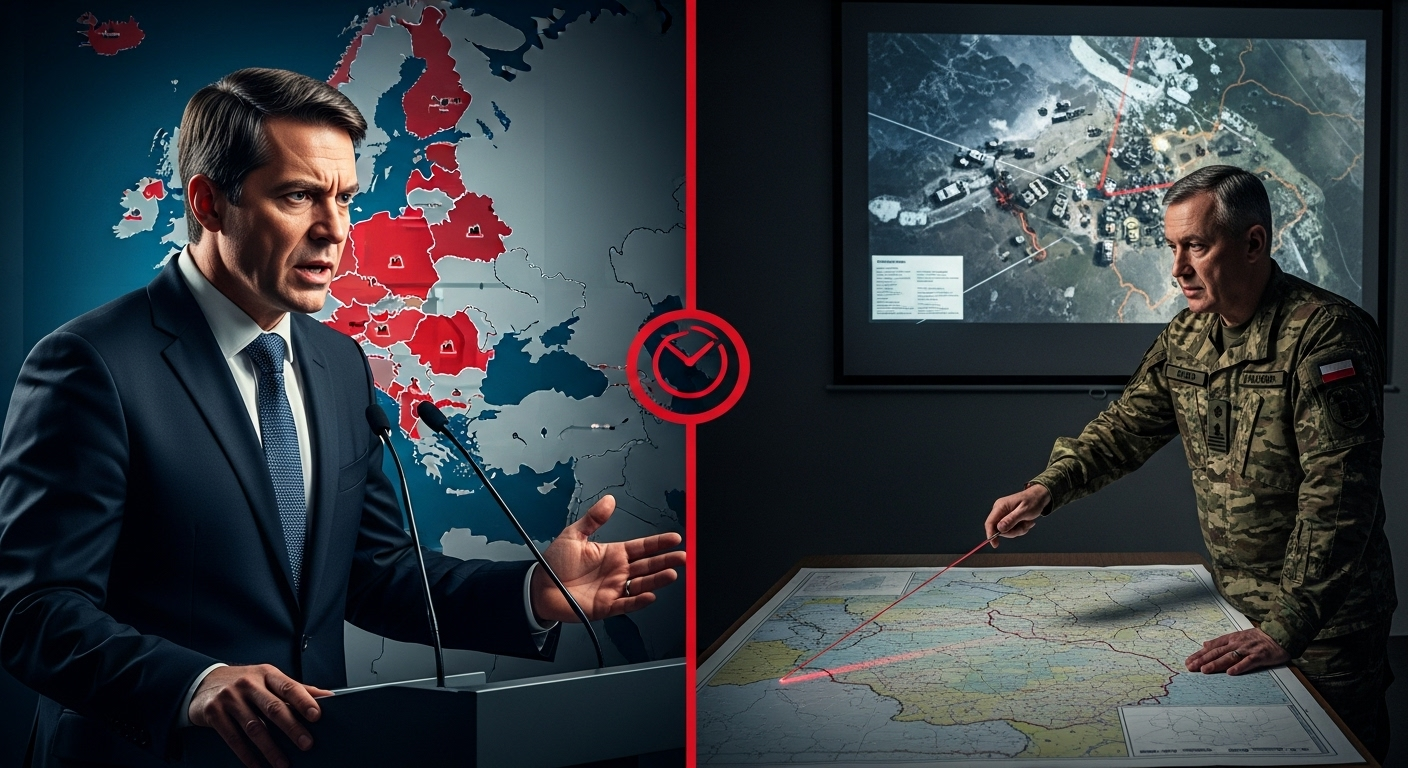
But, actually, there’s something even more interesting here. It’s the way different media outlets, and different countries, framed the conflict. I’ve got to admit, this part fascinates me. For example, Russian state media presented a very different picture than, say, the BBC or the Council on Foreign Relations. This brings us to the core. It really boils down to who do you trust?
The Information War: Disinformation and Propaganda
Speaking of Russian state media…let’s talk about disinformation. Because, here’s the thing: war isn’t just fought on the battlefield. It’s also fought in the information space. And in that space, the goal is to control the narrative, to shape public opinion, and to undermine the enemy’s morale. I mean, come on, we all know this by now right? But what’s the best way of handling this?
The sheer volume of disinformation surrounding the Ukraine war has been staggering. From claims about “NATO aggression” to conspiracy theories about biolabs, the internet has been flooded with false and misleading information. The frustrating thing about this is, it’s not always easy to spot. It preys on our biases, on our fears, on our existing beliefs. And it can have a real-world impact, influencing public opinion and even shaping policy decisions. Actually, that’s not quite right; it is having a real-world impact. [Internal Link Pool: blogs].
Looking Ahead: The Narratives That Will Shape the Future
So, where do we go from here? What narratives will shape our understanding of the Ukraine war in the years to come? Will it be seen as a turning point in global geopolitics? As a catalyst for a new Cold War? Or as a tragic reminder of the human cost of conflict? And here’s a fun one, how will it be written in the history books?
I initially thought that the war would create more collaboration but now, after one year, it is even more chaotic. What does this tell us? If anything, it tells me that we need to be more critical than ever about the information we consume. We need to be aware of the narratives that are being presented to us, and we need to be willing to question them. Because, ultimately, the stories we tell ourselves about the Ukraine war will shape not just our understanding of the conflict, but also our response to it.
Oh, and here’s a curveball: how will gaming companies make use of this? Will there be an emergence of Ukraine War video games? I honestly don’t know how I feel about that, to be honest. Maybe CrazyGames would benefit, but is it ethical?
As things continue to unfold, the car industry will have to adapt. Check out this Mazda CX-60 plug-in hybrid; as the war goes on, this might be the future of commuting! I digress.
FAQ: Understanding the Ukraine War and Its Coverage
Why is it so difficult to get accurate information about the Ukraine War?
It’s a really good question. Active warzones are notoriously difficult to report from accurately. Access is restricted, information is often controlled by various parties, and the fog of war – the chaos, confusion, and uncertainty – makes it hard to verify claims. Throw in the deliberate spread of disinformation, and you’ve got a perfect storm for inaccurate or misleading reporting. It’s up to us to be vigilant.
How can I tell the difference between real news and propaganda about the Ukraine War?
That’s the million-dollar question, isn’t it? Look for reputable news organizations with a track record of accuracy. Be wary of sources you’ve never heard of. Consider their incentives. Dig into their track records. Cross-reference information from multiple sources. Be skeptical of emotionally charged content. And, perhaps most importantly, be aware of your own biases and how they might be influencing your perception of the information. It’s hard. Trust me, I know.
What role has social media played in the coverage of the Ukraine War?
Social media has been a double-edged sword. On the one hand, it’s provided a platform for citizen journalists to share firsthand accounts and for the world to witness the conflict in real-time. On the other hand, it’s also become a breeding ground for disinformation and propaganda. I feel like there’s been a fundamental shift in coverage from social media though. Previously, it was instant. But now, there’s simply too much information.
Is there a risk that the Ukraine War narrative is being used to justify other agendas?
Absolutely. It would be naive to think otherwise. Major events like this are often used to advance pre-existing political, economic, or social agendas. It’s important to be aware of these agendas and to critically evaluate the arguments being made. What are the benefits and consequences of a certain narrative and the policies proposed based on it? We need to be hyper aware of it.
How does the coverage of the Ukraine War compare to coverage of other conflicts around the world?
This is a tough one, and it touches on issues of media bias and Western-centric perspectives. Some critics argue that the Ukraine War has received disproportionate attention compared to other conflicts, particularly those in the Global South. Factors like geographic proximity, cultural affinity, and geopolitical importance likely play a role in shaping media coverage. What do you think? Does this resonate?