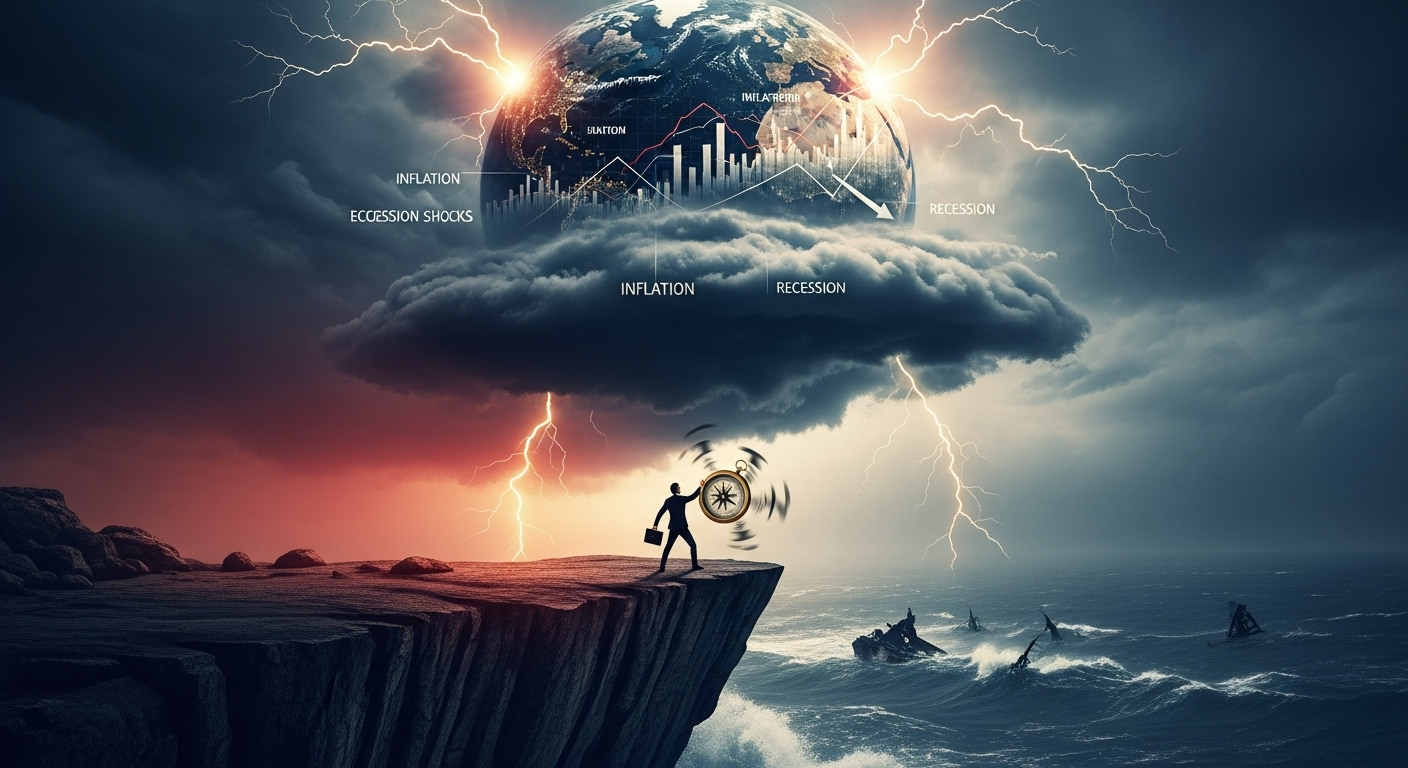
Okay, let’s talk about something that’s probably keeping you (and me, let’s be honest) up at night: the global economy. Specifically, the one-two punch of inflation and the looming threat of a recession. It’s like that feeling when you’re driving and see flashing blue lights in your rearview mirror. You know something’s probably not great.
But before you start stockpiling canned goods, let’s try to unpack this a bit. Because the funny thing about the economy is that it’s not some monolithic, predictable beast. It’s more like a… chaotic garden. There are underlying structures, but so many factors impact the final results.
Understanding Inflation: More Than Just Higher Prices
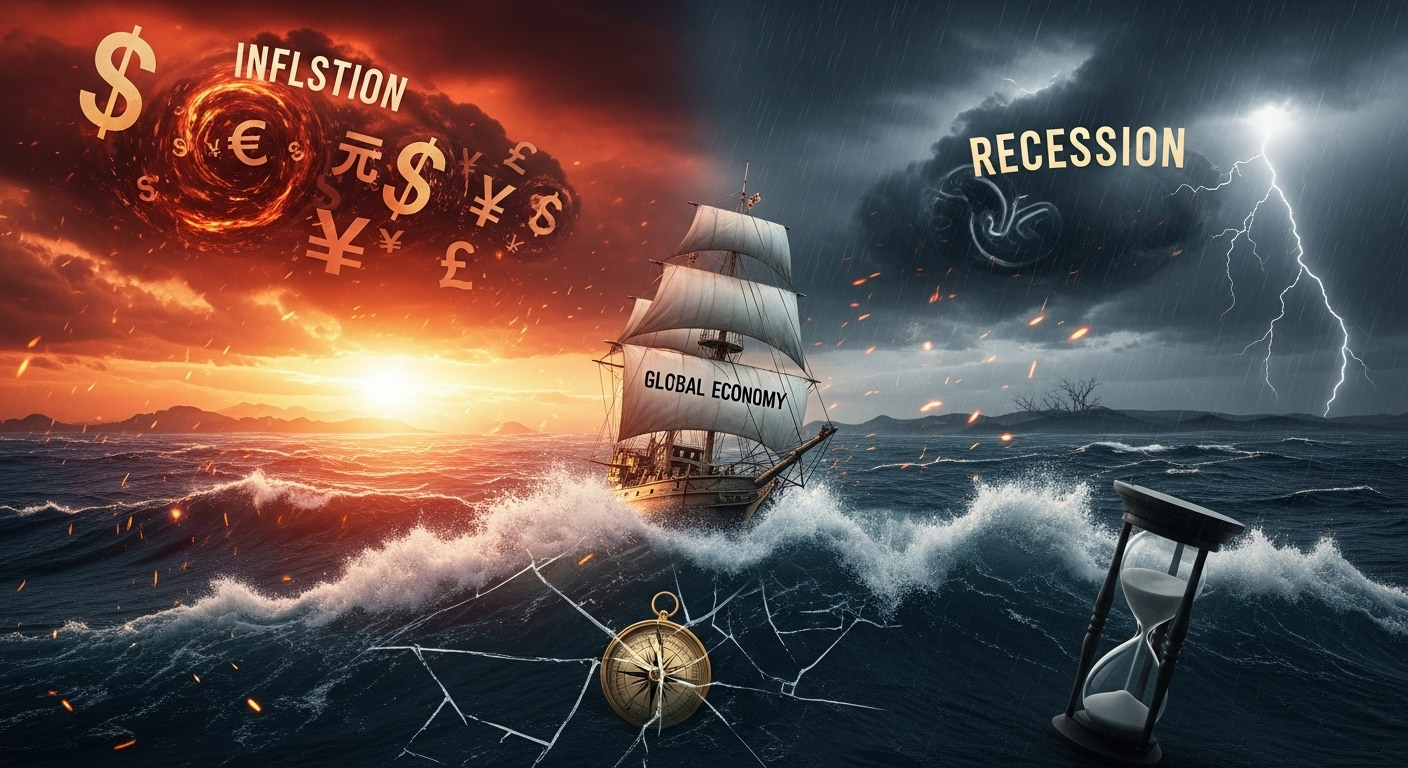
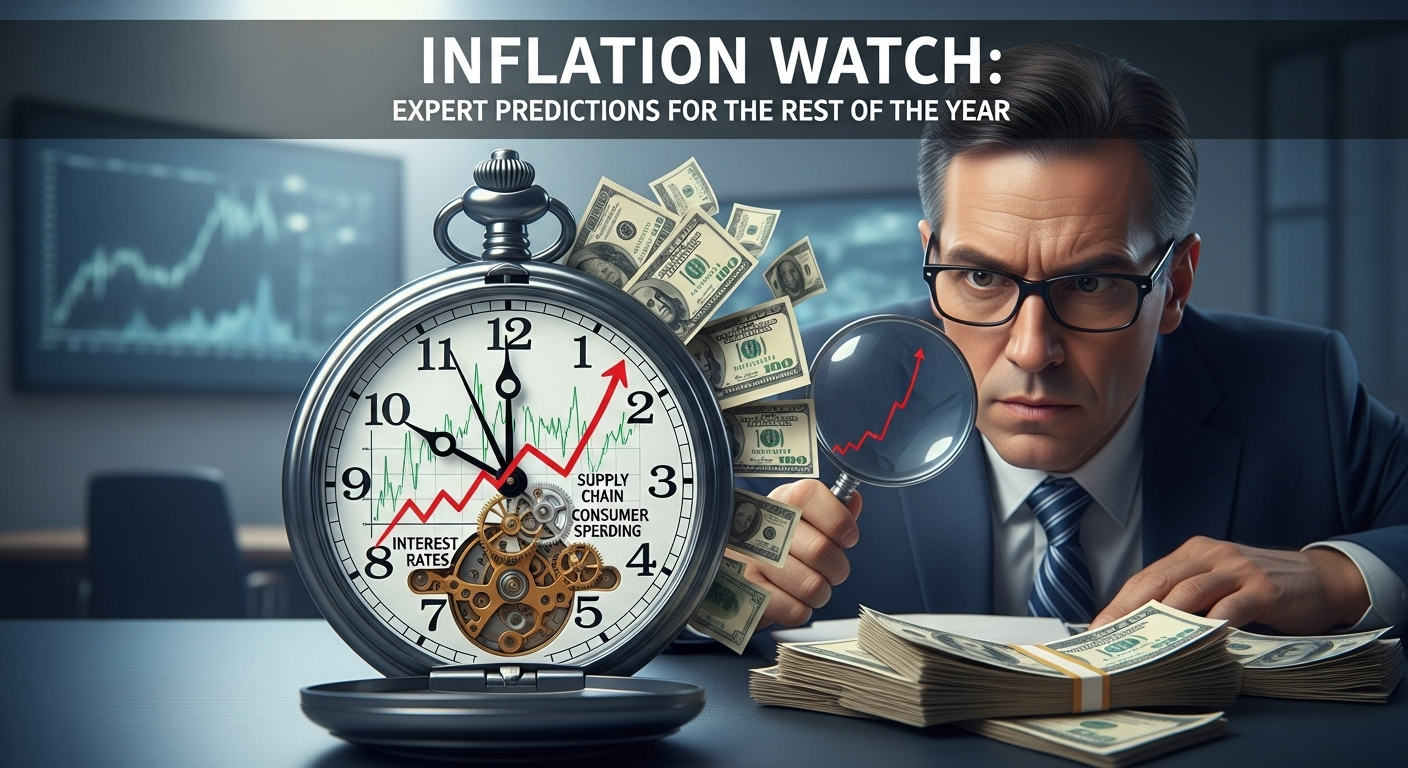
Inflation, simply put, is the rate at which prices for goods and services are rising. Now, you already know that. You see it at the grocery store, at the gas pump, basically everywhere. The frustrating thing is that there are multiple schools of thought on how much the government should be involved in trying to fix or help the inflation problems that the Global Economy is facing. But inflation isn’t always bad. A little bit of inflation is generally considered healthy for an economy. It encourages spending and investment, rather than hoarding cash. The problem, of course, is when it spirals out of control.
What causes it? Well, that’s where it gets complicated. Sometimes it’s demand-pull inflation (too much money chasing too few goods). Sometimes it’s cost-push inflation (rising production costs getting passed on to consumers). And sometimes, it’s a bit of both. Supply chain disruptions, like we saw during the pandemic, certainly don’t help. Investopedia’s definition of Inflation provides a deeper explanation.
Recession Fears: Are We There Yet?
Now, enter the R-word: recession. A recession is technically defined as two consecutive quarters of negative GDP growth. But really, it’s more about the feeling. The feeling of uncertainty, of businesses pulling back, of job losses looming. Think of it as the economic equivalent of a really bad head cold. It feels awful, and it can be difficult to shake.
And that leads to stagnation. Check out this article on Kia Ceed. It’s something of a stagnation of the automotive industry.
But recessions aren’t all doom and gloom. They can also be a time of cleansing, of innovation, of re-evaluating priorities. The frustrating thing is, it can be hard to see the light at the end of the tunnel when you’re in the middle of it.
Navigating the Uncertainty: What Can You Do?
So, what does all this mean for you? Well, here’s the thing: I’m not a financial advisor, and this isn’t financial advice. But I do think there are some common-sense things we can all do to navigate these uncertain times.
- Budget Wisely: Track your spending, identify areas where you can cut back, and build up an emergency fund. Sounds boring? Maybe. But feeling in control of your finances can alleviate a lot of stress.
- Invest Smartly: Don’t make rash decisions based on fear. Consider talking to a qualified financial advisor about your investment strategy.
- Upskill and Adapt: The job market is constantly evolving. Invest in your skills and be prepared to adapt to changing circumstances. See this post on The Opel Zafira Electric. It’s an unconventional vehicle and you might need unconventional skills to maintain it.
- Stay Informed: Keep an eye on economic trends, but don’t get overwhelmed by the constant news cycle. Focus on credible sources and avoid sensationalism.
Gaming Economy: The impact of Inflation
The gaming industry is huge and thriving, but that doesn’t mean it’s immune to economic pressures. I’ve got to admit, this part fascinates me. For one thing, It affects how gamers spend their money in-game. We are seeing many gamers moving away from AAA titles and opting for more free-to-play options.
The developers are also being impacted since they must weigh how to balance production costs while considering the market. What’s really interesting is, with the current trends in the Global Economy, what will become of the smaller companies that are just starting?
FAQ: Your Burning Questions About Inflation and Recession
How worried should I really be about a recession?
That’s the million-dollar question, isn’t it? Honestly, it’s impossible to say for sure. The economy is complex, and predicting the future is, well, predicting the future. What I can say is that worrying excessively won’t help. Focus on what you can control – your own finances, your skills, your resilience – and try to tune out the noise. Keep calm and carry on, as they say.
How do I know if my job is safe during a potential recession?
Another tough one. No job is ever 100% safe, but some industries are more recession-proof than others (healthcare, for example). Think about your company’s performance, its debt levels, and its overall strategy. Are they cutting costs? Laying off employees? These are red flags. But remember, even in a recession, good employees are valuable. Focus on being indispensable.
What’s the deal with interest rates and Global Economy: Navigating Inflation?
Ah, interest rates! This is where the Federal Reserve comes in. Raising interest rates is one way to combat inflation – it makes borrowing more expensive, which in theory slows down spending. But it’s a delicate balancing act. Raise rates too much, and you risk tipping the economy into a recession. Raise them too little, and inflation might run rampant. It’s like trying to steer a ship through a storm – small adjustments are key.
Will prices ever go back down?
That’s what we all want to know, right? While it’s unlikely that prices will return to pre-inflation levels across the board, the rate of inflation is expected to slow down. This means prices might still rise, but at a slower pace. Supply chains are gradually recovering, and demand is starting to cool off. So, there’s hope on the horizon.
Ultimately, navigating inflation and recession fears is about staying informed, being prepared, and maintaining a long-term perspective. It’s about recognizing that the economy is cyclical – there will be ups and downs. And it’s about remembering that you’re not alone. We’re all in this chaotic garden together.